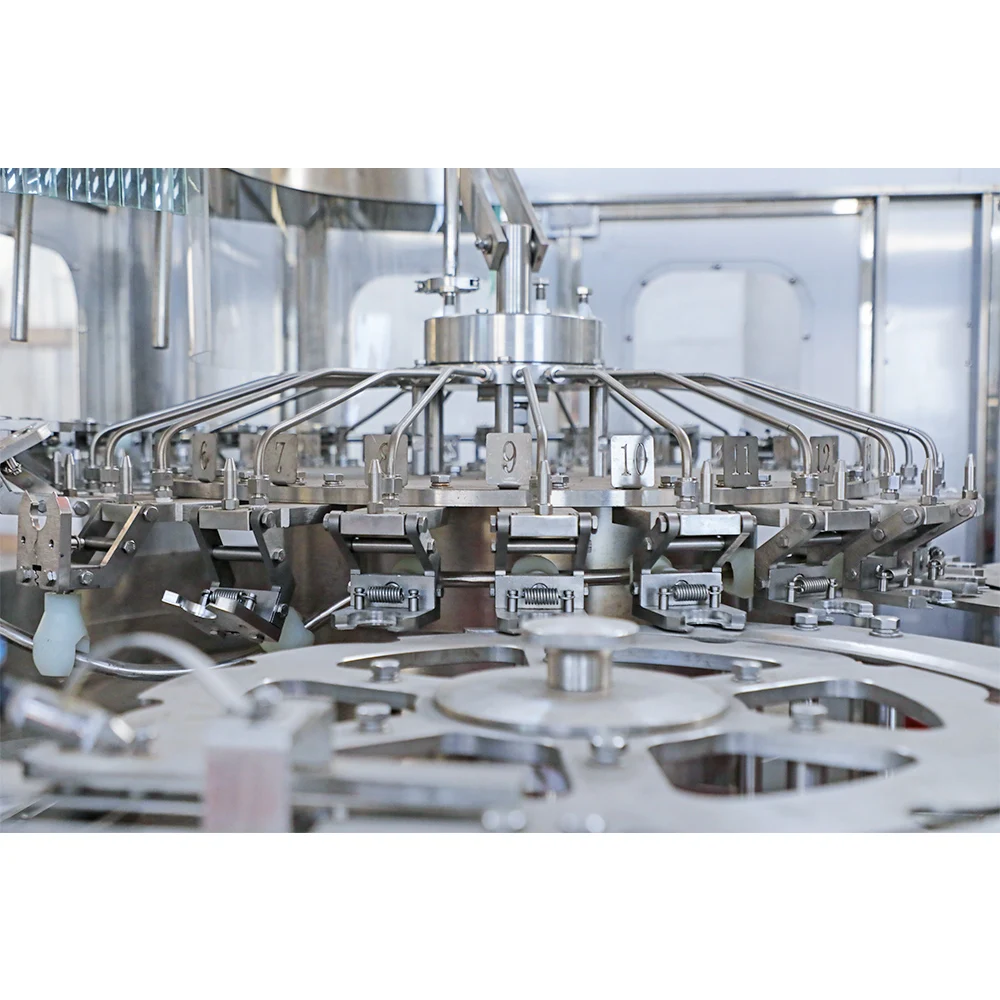
Monoblock Filling and Capping Machines for Beverages

All Categories

monoblock filling and capping machine

Monoblock filling  and capping machines are essential equipment in  the beverage and dairy industries, designed to streamline  the  production process by integrating filling and capping operations into  a single  system. As a purchasing manager  or engineer,  understanding the key specifications, sourcing options,  cost  factors, common issues,  and essential considerations will  help  you make informed  decisions  when  evaluating these  machines  for  your  production line. For comprehensive solutions, consider the A to Z Complete Full Automatic Mineral Water Plant Machine Project.

Where to Source Reliable Monoblock Filling and Capping Machine Suppliers

Finding a reliable  supplier for monoblock filling and capping machines involves thorough research and evaluation. Here are key approaches to identify reputable manufacturers:

Industry Directories and Trade Shows: Utilize industry-specific directories and attend trade shows to discover potential suppliers. These platforms often feature manufacturers showcasing their  products and innovations,  providing an opportunity to assess their offerings firsthand.


Certifications and Compliance: Look for suppliers whose machines are certified with ISO9001 and  CE  certifications, indicating adherence to quality management standards and safety regulations. These certifications reflect a commitment to quality and reliability in manufacturing.

Customer Reviews and Case Studies: Research customer feedback  and case studies to  gauge supplier performance and customer satisfaction. Positive reviews from existing clients can provide insights into  the  reliability and effectiveness of the machines offered.

In-House Engineering  Support: Choose suppliers that provide comprehensive engineering  support,  including pre-sales consultation and installation services. A  strong engineering  team can assist with customizations and ensure that the  machine integrates seamlessly into your production line.

After-Sales  Support: Reliable after-sales  support, including maintenance, spare parts availability, and training, is crucial for minimizing downtime. Evaluate the supplier’s commitment to customer service and support  to ensure long-term satisfaction.

By considering these factors, you can source reliable suppliers  that meet your specific needs for monoblock filling and capping machines.
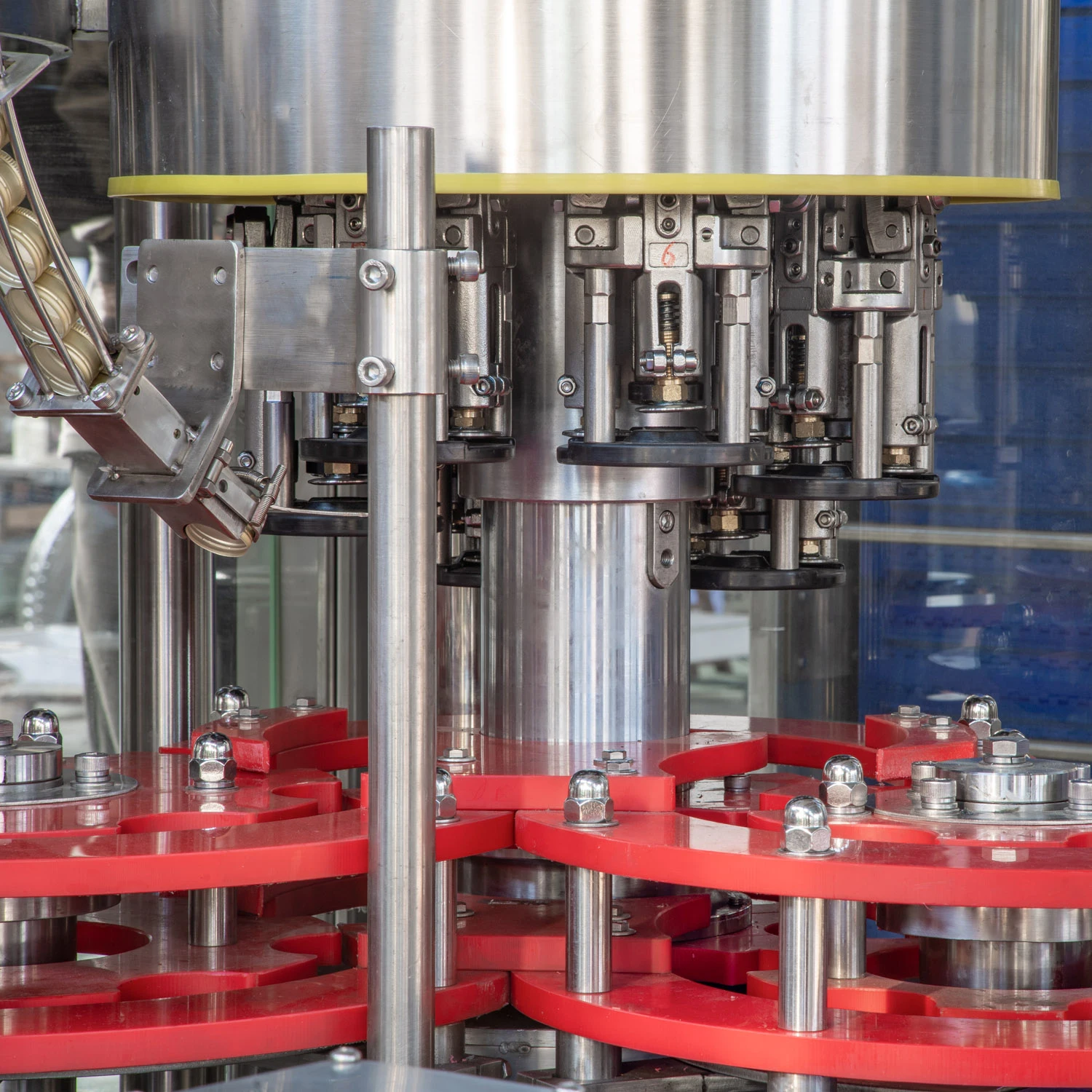
The Cost Factors Involved in Monoblock Filling and Capping Machines

The cost of monoblock  filling and  capping machines  can vary significantly based  on several factors. Here  are the key considerations that influence pricing:

Machine Specifications: Higher production speeds, advanced automation features, and specialized filling methods typically result in higher costs. Customization requirements  may also increase  the overall price.

Material Quality: The materials used in construction, such as stainless steel versus carbon steel, can impact the price. Stainless steel is  often preferred for its durability and  resistance to  corrosion, especially in food and beverage applications.

Production Capacity: Machines designed for high-volume production tend to be more expensive due  to their robust construction  and advanced technology. Assess your production requirements to determine the appropriate capacity and avoid overspending on unnecessary features.

Supplier Reputation: Established manufacturers  with  a proven track record may charge a premium for their products. However,  investing in a reputable  supplier can lead  to better quality and support, ultimately reducing long-term costs.

Shipping and Installation: Consider additional costs such as shipping, customs duties, and installation services. These expenses should be factored into the  total cost of ownership to avoid budget overruns.

Understanding these  cost factors will enable you to prepare  a budget that accurately reflects the total investment required for acquiring a monoblock filling and capping machine.

Common Problems with Monoblock Filling and Capping Machines and Solutions

While monoblock filling and capping machines enhance efficiency, they can encounter  several common issues. Here’s  how to address these challenges:

Filling Inaccuracies: Variations in filling levels can occur due to inconsistent product viscosity or faulty sensors. To mitigate this, ensure regular calibration  of  sensors and consider testing samples under actual operating conditions before mass production.

Capping Failures: Poorly  sealed caps  can lead  to product  spoilage. Regular maintenance and inspections are essential to identify worn components in the capping mechanism. Implementing torque testing during production can help ensure caps are applied correctly.

Container  Jamming: Jamming may  occur if the machine is incompatible with certain container  shapes or sizes. To prevent this, verify container  specifications against machine capabilities before installation and operation. Adjustments to guide rails or  conveyor  systems may also be necessary.

Downtime Due to Maintenance: Frequent breakdowns can lead to costly downtime. Establish a preventive  maintenance  schedule to address wear and tear before it leads to machine failure.  Training operators on basic troubleshooting can also minimize operational disruptions.

By proactively addressing these common problems, manufacturers can optimize the performance and longevity  of their  monoblock filling and capping  machines.
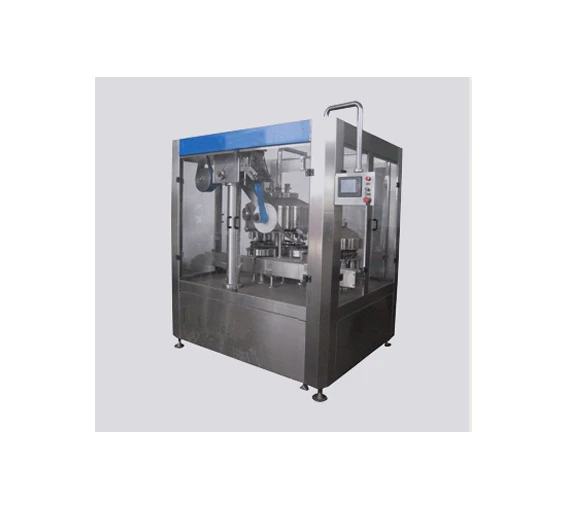
What Buyers Should Know

When preparing to  purchase a monoblock filling and capping machine, buyers should  consider several important  factors to  ensure a successful  acquisition:

Detailed Specifications: Provide clear specifications regarding the desired filling method, container types, production speed, and  automation level when requesting quotes. This information will help suppliers tailor their offerings to your  needs.

Sample Evaluation: Before finalizing the purchase,  request a working sample of the machine. Testing the equipment under actual production  conditions can reveal potential issues and help verify that it meets your expectations.

Customization Options: Discuss customization possibilities with  suppliers to ensure the machine can adapt to your unique production requirements. This may  include modifications for specific container sizes or additional features for enhanced functionality.

Quality Assurance Processes: Inquire about the manufacturer’s quality control processes to ensure that  the  machine adheres to industry standards. Understanding the quality assurance measures in place  can provide peace of mind regarding the equipment’s reliability.

Lead Times and Delivery: Confirm lead times for production and delivery to align with your operational schedule. Ensure that the supplier can  meet your timelines to avoid delays in production.

Support and Training: Evaluate  the level of support and training provided by the supplier.  A well-structured training program can  enhance the operational efficiency of your staff and contribute to the successful implementation of the machine.

By keeping these considerations in mind, buyers  can make informed decisions when acquiring monoblock filling and capping machines,  ultimately enhancing their production capabilities.

Key Specifications for Monoblock Filling and Capping Machines Explained

When evaluating  monoblock filling and  capping machines, several key specifications are critical to ensure the equipment meets your production needs.

Filling Method: Monoblock machines can employ various filling methods, including volumetric, gravimetric, or pressure filling. The choice of filling method affects the accuracy, speed, and  compatibility with different liquid  types. For instance,  volumetric filling is well-suited for water and low-viscosity beverages, while pressure filling is ideal for carbonated drinks.

Production Speed: Measured in bottles per minute (BPM), production speed is a vital specification. It should align with your production goals and throughput requirements. Machines are available with varying speeds, so it's essential to select one that meets your current and future output  needs.

Container Compatibility: The machine should accommodate various container types, including glass, plastic, and metal. Consider the dimensions, shape, and material of the containers you plan to use, as these factors influence the machine's design and functionality. Additionally, ensure that the equipment can handle your specific requirements, such as those found in the Zhangjiagang King Quality 12000BPH Gravity Filler Mineral Water Filling Machine.

Capping Types: Different capping types, such as screw caps, snap-on caps, or corks, should be compatible with  your desired packaging. Ensure that  the machine can handle the  specific capping  requirements of  your products to avoid bottlenecks in the production line.

Automation Level:  The level of automation can significantly impact labor costs  and operational efficiency. Fully automated systems minimize human intervention,  while semi-automated systems may require  more manual input. Assess your operational capacity and labor resources to determine the best fit.

Quality Control Features: Integrating quality control systems, such as filling level sensors and cap torque testing, can enhance product consistency  and reduce  waste. These features  help maintain quality standards, especially in high-volume production settings.

Understanding these specifications will help you select a monoblock filling  and capping machine that aligns with your production goals and  operational requirements.

Our Blog Posts

Juice Bottling Line Capacity: Scaling From 1,000 to 10,000 Bottles Per Day

17

Oct

Juice Bottling Line Capacity: Scaling From 1,000 to 10,000 Bottles Per Day

Increasing your juice bottling line from 1,000 to 10,000 bottles a day: A daunting yet worthwhile prospect. Mars knows how critical it is to scale production so as to keep up with the rising demand while also improving efficiency and quality. Now let...
View More
Filling Machine Sanitation: CIP (Clean-in-Place) Features for Fast, Effective Cleaning

12

Dec

Filling Machine Sanitation: CIP (Clean-in-Place) Features for Fast, Effective Cleaning

It is so critical to clean machines at factories. At Mars, we’re in a filling machine business, and keeping our machines clean is critical to everything running smoothly. One method of cleaning these machines is using CIP, an abbreviation for Clean-i...
View More
Washing Capping Machine Speed Adjustment: Syncing with Variable Filling Line Speeds

07

Mar

Washing Capping Machine Speed Adjustment: Syncing with Variable Filling Line Speeds

Washing and capping machines are really important in factories where they fill bottles with liquids. The speed of this machines need to match with the filling line speed. If they don't sync good, production can slow down or make some mistakes happen....
View More
How Automatic Filling Machine Boosts Liquid Production Efficiency

12

Jun

How Automatic Filling Machine Boosts Liquid Production Efficiency

The world of liquid making changing fast. Machines getting smarter, and one key machine the automatic filling machine. This machine help company fill bottles, jars or container with liquid like juice, sauce or cleaning stuff. By use these machines, b...
View More

Get a Free Quote

Our representative will contact you soon.
Email
Name
Company Name
Message
0/1000

Related product categories

Get a Free Quote

Our representative will contact you soon.
Email
Name
Company Name
Message
0/1000