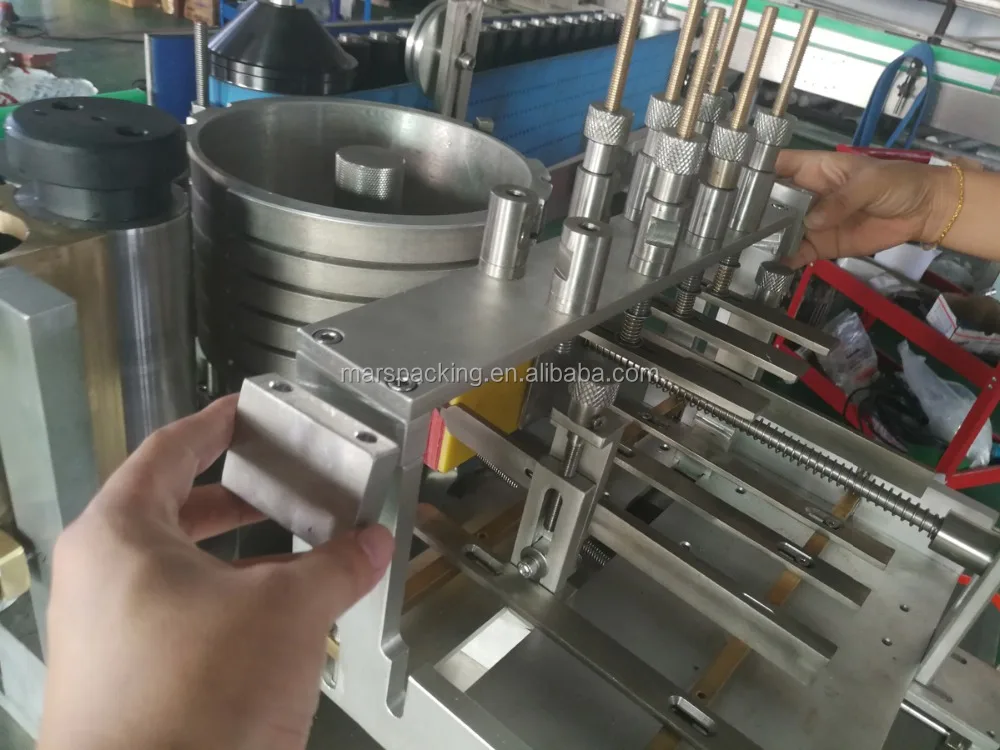
Choosing the Right Monoblock Filler Capper Machine

All Categories

monoblock filler capper machine

A monoblock filler capper  machine is an essential piece of equipment in the  liquid packaging industry, particularly for companies  involved in bottling water, beverages,  dairy products, and beer. This integrated machine  streamlines the  filling and capping processes,  enhancing efficiency and reducing  production costs.  For  B2B buyers  such as purchasing managers and engineers, understanding the  specific features,  installation requirements, and cost factors of these machines is crucial for  making informed purchasing decisions.  This  article will help you navigate the  complexities of selecting the  right monoblock filler capper machine for your  production  needs.

Key Specifications to Evaluate in Monoblock Filler Cappers

When evaluating monoblock filler cappers, several key specifications should be considered:

Filling Speed: This is often measured in bottles  per hour (BPH). Understanding your production volume will help you  choose a  machine with  the appropriate  speed to meet your demands.

Filling Accuracy: Look for machines that offer high precision  in filling  to avoid overfilling or underfilling, which can lead to product waste or  customer dissatisfaction.

Capping Mechanism: The type of  capping head (screw, snap-on, or crown cap) should  align with the bottles and caps you plan to use. Each type has its own requirements for torque and  application.

Material Compatibility: Ensure the materials used  in the machine, such as stainless steel or food-grade plastics, are suitable  for your product  to maintain safety and quality.

Ease of Cleaning  and Maintenance: Machines with accessible  parts and simple cleaning protocols can reduce downtime and maintenance costs.

Evaluating these specifications in relation to  your production  environment will help  ensure you choose a machine that  meets operational efficiency and quality standards.
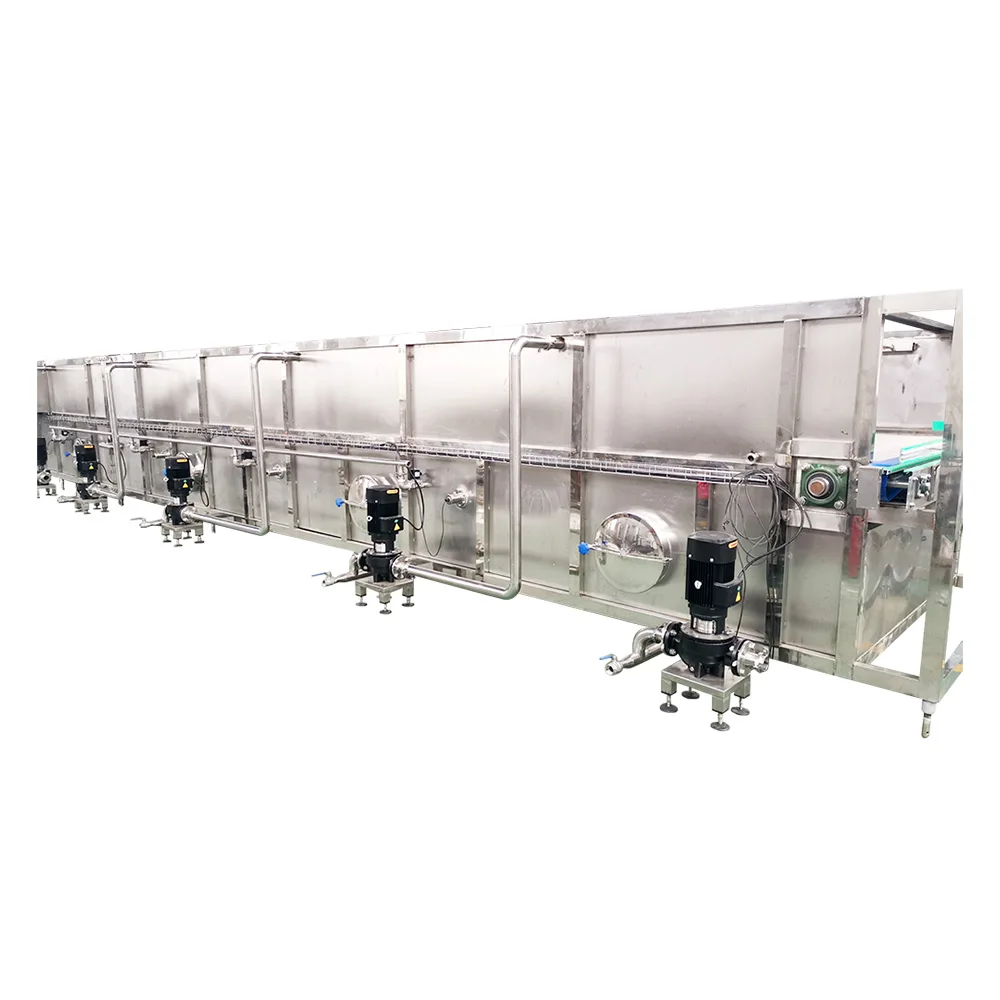
Installation Guidance for Monoblock Filler Capper Equipmen

Proper  installation  of your  monoblock filler  capper machine is critical to its performance and longevity. Here are some key considerations:

Site Preparation: Ensure your facility has adequate space for the machine,  taking into  account the  need for  operator access and maintenance. Additionally, confirm that your electrical and  plumbing  systems can accommodate  the  machine’s requirements.

Professional Installation:  While some companies may  opt for self-installation, hiring professionals can significantly reduce the risk of operational issues. Mars  Packing Machinery  offers installation services, ensuring the machine is set up correctly and optimally.

Testing Procedures: After installation, conduct thorough testing to verify that the machine operates as intended. This should include running several production cycles to check filling accuracy, capping integrity,  and overall efficiency.

Training: Provide training for  your staff on the machine's operation and maintenance. This will  help ensure that they  can effectively work with the equipment and identify any potential issues early on.

Cost Factors to Consider When Purchasing Monoblock Cappers

Understanding the total  cost of ownership when purchasing a  monoblock filler capper machine is essential. Key factors include:

Initial Investment: This includes the purchase  price of the machine, which can vary widely  based on  features and capabilities.

Operating Costs: Consider  the costs associated with energy consumption, maintenance, and repairs over time. A  more efficient machine  may have a higher initial cost  but lower operating expenses.

Customization Costs: Tailored features and additional components can  increase the upfront  investment, so weigh these  costs against the potential benefits they  provide in  production efficiency. For example, the A to Z Complete Full Automatic Mineral Water Plant Machine Project offers various customizations to enhance production.


Warranty and Support: Evaluate the warranty terms offered by the manufacturer, as well as the availability of technical support and spare parts. A longer warranty and  responsive support can save costs in the long run.

Shipping and Installation Fees: These additional costs should be  factored into your budget. Ensure you  clarify these with  the supplier when requesting  quotes.

Common Problems with Monoblock Fillers and Their Solutions

Monoblock filler cappers, while efficient, can experience common issues that may disrupt production. Here are  some typical problems and  their solutions:

Filling Inconsistencies: If  the machine is not filling bottles accurately, check for blockages  in the filling nozzles or verify the calibration settings. Regular  maintenance and cleaning can help prevent this issue.

Capping Failures: If  caps are not  being  applied correctly, inspect the capping mechanism for wear and ensure that the correct torque  settings are applied. Adjustments can often be made to the capping head to improve performance.

Bottlenecking: If production slows down due  to bottlenecks, analyze  the workflow to identify where the slowdown occurs. This may require optimizing the layout or adding auxiliary equipment, such as conveyors.


Machine Downtime: Frequent breakdowns can indicate the need for better maintenance  practices. Establish a regular service schedule  and train operators to perform  basic maintenance checks.

By proactively addressing  these common problems,  you can enhance the reliability and efficiency of your monoblock filler capper machine.

In summary, selecting the right  monoblock filler  capper machine requires careful consideration of your specific production needs, key specifications, installation requirements, and cost  factors. By understanding these aspects, you can make a more informed decision that will benefit your operations in the long run.

Choosing the Right Monoblock Filler Capper Machine for Your Needs

Selecting the right monoblock filler capper machine involves assessing  your specific production requirements, including the type of liquid being packaged,  bottle sizes,  and production speed. For instance, if you're bottling carbonated beverages, you’ll need a machine capable of handling the pressure associated with carbonated  liquids. Additionally, consider the  flexibility of the machine; some  models allow for quick changeovers between different bottle types and sizes, which can be a significant advantage  for companies with diverse product lines. Options like the Turnkey Project a to Z Automatic 9000BPH CGF24-24-8 PET Bottle Mineral Water Filling Machine can be particularly beneficial for such needs.

Customization options  are  also  essential. Some  manufacturers, like  Mars Packing  Machinery, offer tailored solutions  to meet unique production demands. This means  you can specify features  such as automatic  bottle feed systems, different filling technologies (like gravity or vacuum filling), and integrated labeling systems, which can enhance  the overall  efficiency of your operations.


Our Blog Posts

From Raw Water to Bottling: Water Treatment Tech Breakdown

16

Nov

From Raw Water to Bottling: Water Treatment Tech Breakdown

Water is everywhere, but making raw water into clean bottled water is a big job. At Mars, we know it’s not enough to just fill bottles from a river or well. Water needs to jumps through plenty of hoops to become safe and delicious. There’s a lot of t...
View More
OPP Hot Glue Labeling Machine Maintenance: Cleaning Glue Nozzles to Prevent Clogs

30

Mar

OPP Hot Glue Labeling Machine Maintenance: Cleaning Glue Nozzles to Prevent Clogs

Keeping your OPP Hot Glue Labeling Machine running smooth is important for make sure all things work well. One key part that need regular care is the glue nozzle. Over time, glue build up and cause clogs. This slow down your machine and make issues w...
View More
Wet Glue Labeling Machine Speed Control: Adjusting for Different Label Sizes

01

Apr

Wet Glue Labeling Machine Speed Control: Adjusting for Different Label Sizes

Wet glue labeling machines is used in factories for putting labels on products fast and good. They works well for various kinds of labels, but they can have some troubles, specially with speed control. When labels size change, the machine speed need ...
View More
Juice Bottling Line Seasonal Adjustments: Scaling Up for Summer Juice Demand

06

May

Juice Bottling Line Seasonal Adjustments: Scaling Up for Summer Juice Demand

Juice lovers, as we are in the summer season now there has to be more work from company like Mars to fulfill orders. In summer people crave for cold refreshing drinks to keep themselves cool. So, juice bottling lines are optimized and juice is produc...
View More

Get a Free Quote

Our representative will contact you soon.
Email
Name
Company Name
Message
0/1000

Related product categories

Get a Free Quote

Our representative will contact you soon.
Email
Name
Company Name
Message
0/1000