 EN
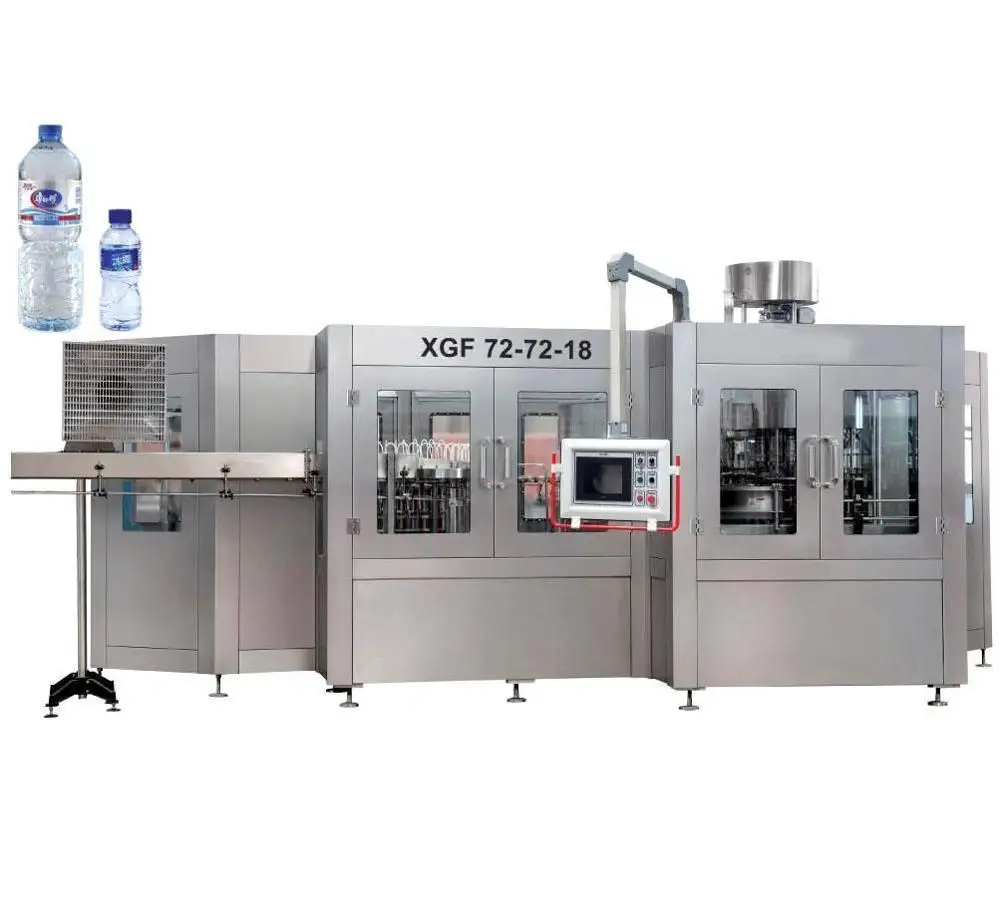
Monoblock bottling machines are essential equipment in the beverage and liquid packaging industries, streamlining the process of filling, capping, and labeling bottles in one integrated system. For B2B buyers, such as purchasing managers and engineers, concerns often revolve around efficiency, reliability, and overall cost-effectiveness. This article provides a comprehensive overview of monoblock bottling machines, highlighting key specifications, cost factors, common issues, installation guidance, and their various applications across industries.
Understanding the Cost Factors of Monoblock Bottling Machines
The cost of a monoblock bottling machine can vary greatly depending on several factors. Here are the primary considerations that influence pricing:
Machine Specifications: Higher production capacities and advanced features typically increase the base cost. Customization requests can also add to the price, so it’s wise to outline your requirements clearly before requesting quotes.
Material Quality: Machines constructed from high-grade materials may come at a premium but often provide better durability and lower maintenance costs over time.
Technology and Features: Advanced technologies, such as automated control systems or integrated inspection equipment, can raise the initial investment but may improve efficiency and reduce labor costs. Utilizing a Conveyor System can further streamline operations and increase throughput.
Supplier Reputation and Support: Established manufacturers may charge more due to their track record of quality and customer service. Consider the long-term value of purchasing from a supplier with a strong support system, including installation and maintenance services.
Shipping and Installation Costs: Don’t overlook these expenses, particularly for international shipments. Ensure to factor in potential duties, transport fees, and costs associated with installation and training.