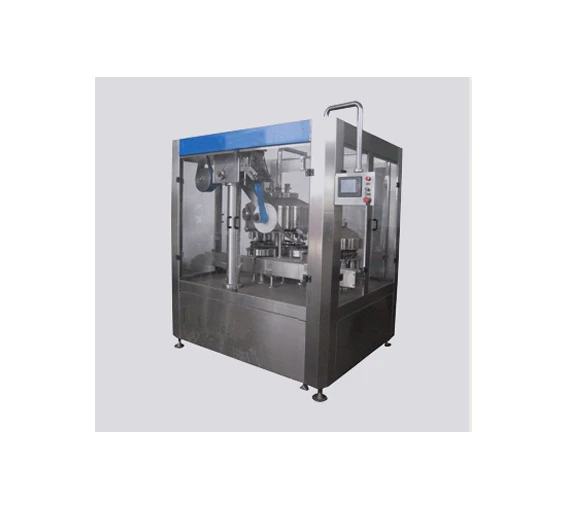
Monobloc Filling Equipment for Efficient Packaging

All Categories

monobloc filling equipment

Monobloc filling equipment is a crucial component in the packaging processes of various industries, including water, beverages, beer,  and  dairy. This equipment integrates multiple functions—filling,  capping, and sometimes  labeling—into one compact machine,  enhancing  efficiency and reducing the  need for additional machinery. B2B buyers often face concerns  regarding the  specifications, reliability, and cost-effectiveness of these systems. , we will  explore key specifications, reliable  suppliers, a step-by-step purchasing  approach, cost  factors,  and various applications  of  monobloc filling equipment  to  help you make  informed decisions.

Reliable Suppliers of Monobloc Filling Equipmen

Choosing a reliable supplier for monobloc filling equipment is essential for ensuring quality and support throughout the purchasing process. Here are some factors to consider when  evaluating potential  suppliers:

Experience and Reputation: Look  for manufacturers with a proven track record in the industry. Established  companies  like Mars  Packing Machinery, which has specialized in  liquid  filling and packing machines since 2010, often have  the expertise to meet a variety  of customer needs.

Customization Capabilities: A good supplier should be able to offer customized solutions tailored to your specific requirements. This  includes adjustments in machine size, design, and functionality to fit your production line.


Post-Sales Support: Ensure that the supplier provides comprehensive post-sales support, including installation services, training, and maintenance. This support can significantly impact the efficiency of your operations and  the longevity of your equipment.

Client References and Case Studies: Ask for  client references or case studies to gain insights into the  supplier's reliability and the performance  of their equipment in real-world applications.

Global Reach:  A supplier experienced in exporting to various countries can provide insights into international standards and compliance, which  is crucial if you operate in multiple  markets.

By conducting thorough research and considering these factors,  you can identify a trustworthy supplier that aligns with your business needs.

A Step-by-Step Approach

Purchasing monobloc filling equipment requires  a systematic approach to  ensure you meet all  your operational and quality requirements. Here’s a recommended step-by-step process:

Define Your  Requirements: Clearly outline your production needs,  including the type of liquids to  be filled, container specifications, desired output capacity, and any automation  features.

Research Suppliers: Compile a list of potential suppliers based on their reputation, experience, and customization capabilities. Consider reaching out to industry peers for recommendations.


Request Quotations: Contact your  shortlisted  suppliers to request detailed quotations. Provide them with your specific  requirements to receive accurate pricing and lead time estimates.

Evaluate  Proposals: Compare the proposals based on pricing, specifications, post-sales support, and delivery timelines. Assess how well each supplier addresses your unique needs.

Review  Samples: Before finalizing your purchase, request samples or demonstrations of the equipment if possible. Testing the machine in your  production environment can help  confirm its suitability.

Finalize Your Order: Once you have evaluated all aspects, finalize your order with the chosen supplier. Ensure that  all  specifications, delivery timelines, and payment  terms are clearly documented.

Following this structured approach will help mitigate risks and ensure  that you choose the  right monobloc filling equipment for your operations.

Cost Factors When Investing in Monobloc Filling Machines

The cost of monobloc filling machines can vary significantly based on several factors. Understanding these can help you budget effectively:

Machine Specifications: Higher-capacity  machines with advanced automation features typically command  higher prices. Assess which specifications are essential for your  production line to avoid overspending on unnecessary features.

Customization Needs: Customization options  can  add to the cost. While tailored solutions may be necessary  for your production  needs, evaluate whether  standardized models  could adequately meet your requirements  at a lower price point.


Supplier Reputation: Established suppliers with a strong reputation may charge premium prices, reflecting their reliability and service quality. However, weigh this against the potential risks of choosing less experienced suppliers.

Maintenance and Support: Consider the long-term costs of maintenance and  post-sales support. A machine  that requires frequent service may  lead to higher operational costs over time,  impacting your overall budget.

Shipping and Installation: Factor  in the costs associated with shipping  and installation, especially if you are importing equipment from overseas. These costs can significantly affect the total investment required.


By carefully  evaluating these  cost factors and aligning them with your budget, you can make a more informed purchasing decision.

Applications of Monobloc Filling Equipment in Various Industries

Monobloc filling equipment is versatile and finds  application in multiple industries, each  with unique requirements:


Beverage Industry: In beverage production, monobloc machines efficiently handle various liquids, including soft drinks, juices, and alcoholic  beverages. They ensure  high-speed filling and sealing,  crucial for maintaining product freshness and quality.

Water Bottling: For water bottling companies, these machines provide  reliable filling  and capping solutions, ensuring  hygiene and minimizing  contamination risks. The  ability to  customize for different  bottle sizes is particularly advantageous.


Dairy Products: In the dairy sector, monobloc filling equipment is used for products like milk and yogurt. The machinery must meet stringent hygiene standards, which can be facilitated by using stainless steel components and easy-to-clean designs.

Food Industry: Beyond liquids, these machines  can also be adapted for  filling sauces, oils, and other semi-liquid food products, providing flexibility in production lines. A well-designed Packing Machine can enhance this process.

Cosmetics and  Pharmaceuticals: The precision and automation capabilities of monobloc filling machines make  them suitable for  filling cosmetic and pharmaceutical products, where accuracy and cleanliness are paramount.

Understanding the specific applications of monobloc filling equipment can help you select the right machine for your industry and production needs, ensuring optimal performance and  compliance with regulatory standards.

Key Specifications to Consider for Monobloc Filling Machines

When evaluating monobloc filling machines, several key specifications should guide your  purchasing decisions:

Filling Capacity: This refers to the volume of liquid the machine can fill per hour. Assess your production needs to  determine the  right  capacity that aligns with your output goals.  A  machine with too low a capacity may bottleneck  production, while one with excessive capacity may lead to increased costs.

Filling Accuracy: Precision is critical in filling applications to minimize product wastage and ensure consistent quality. Look for machines that offer adjustable filling volumes and  high accuracy rates, typically  specified  as a percentage  of variance.

Material Construction: The materials used in the construction of the monobloc filling equipment influence its durability and suitability for specific  applications. Stainless steel is commonly preferred for  its resistance to corrosion and ease of cleaning, especially in food and beverage sectors.  For packaging purposes, utilizing the right Packaging Material is essential.

Compatibility with Containers: Ensure the machine can accommodate the range of container sizes and types you plan to  use. This includes bottle shapes, caps, and any specific handling requirements.


Automation Features: Modern machines often include automation options that enhance efficiency. Features such as automatic bottle detection, capping, and labeling should be considered based on your operational  needs.

Certifications: Check for relevant certifications such as ISO9001 and CE, which indicate the  manufacturer’s commitment to quality and safety standards.

By carefully considering these specifications, you can  select a  monobloc filling machine that meets your operational  requirements and supports your production goals.

Our Blog Posts

Water Bottling Line Efficiency: 5 Hacks to Reduce 20% of Production Downtime

22

Sep

Water Bottling Line Efficiency: 5 Hacks to Reduce 20% of Production Downtime

As the best drinking water filling and packing machine supplier, Mars Packing Machinery knows that a high-speed bottled water packaging process is what clients desire. Smooth functioning of the plant with optimal downtime is essential for high profit...
View More
Water Filling Machine Water Source: Testing Requirements for Municipal vs. Well Water

21

Oct

Water Filling Machine Water Source: Testing Requirements for Municipal vs. Well Water

Water filling machine Water filling machines include water rinsing, filling and capping for unsealed bottles of up to 5 gallons. With the water supply that is being employed with these machines, there are testing considerations that need to be made t...
View More
Water Bottling Line Quality Testing: pH and Microbial Checks for Bottled Spring Water

21

Nov

Water Bottling Line Quality Testing: pH and Microbial Checks for Bottled Spring Water

Bottling water is not just about sticking a bottle under a tap. It’s about ensuring that every bottle shipped from Mars holds safe, fresh spring water in which you can trust. There are two critical checks on the assembly line: testing the pH of the w...
View More
Filling Machine Sanitation: CIP (Clean-in-Place) Features for Fast, Effective Cleaning

12

Dec

Filling Machine Sanitation: CIP (Clean-in-Place) Features for Fast, Effective Cleaning

It is so critical to clean machines at factories. At Mars, we’re in a filling machine business, and keeping our machines clean is critical to everything running smoothly. One method of cleaning these machines is using CIP, an abbreviation for Clean-i...
View More

Get a Free Quote

Our representative will contact you soon.
Email
Name
Company Name
Message
0/1000

Related product categories

Get a Free Quote

Our representative will contact you soon.
Email
Name
Company Name
Message
0/1000