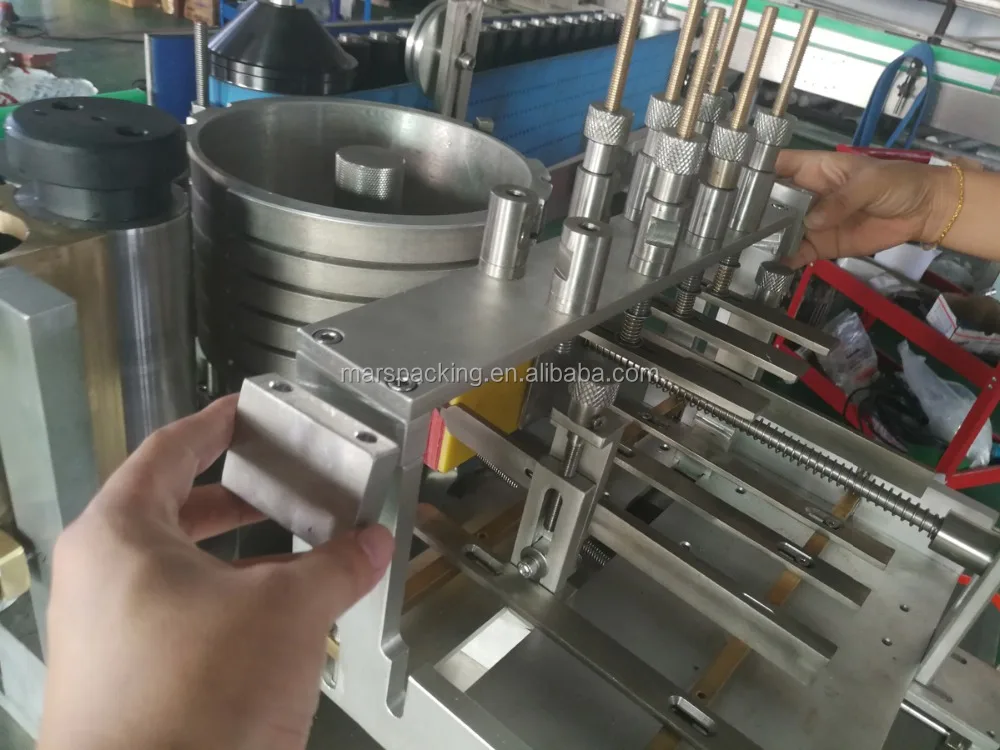
Monoblock Filling Equipment: Key Features & Benefits

All Categories

monoblock filling equipment

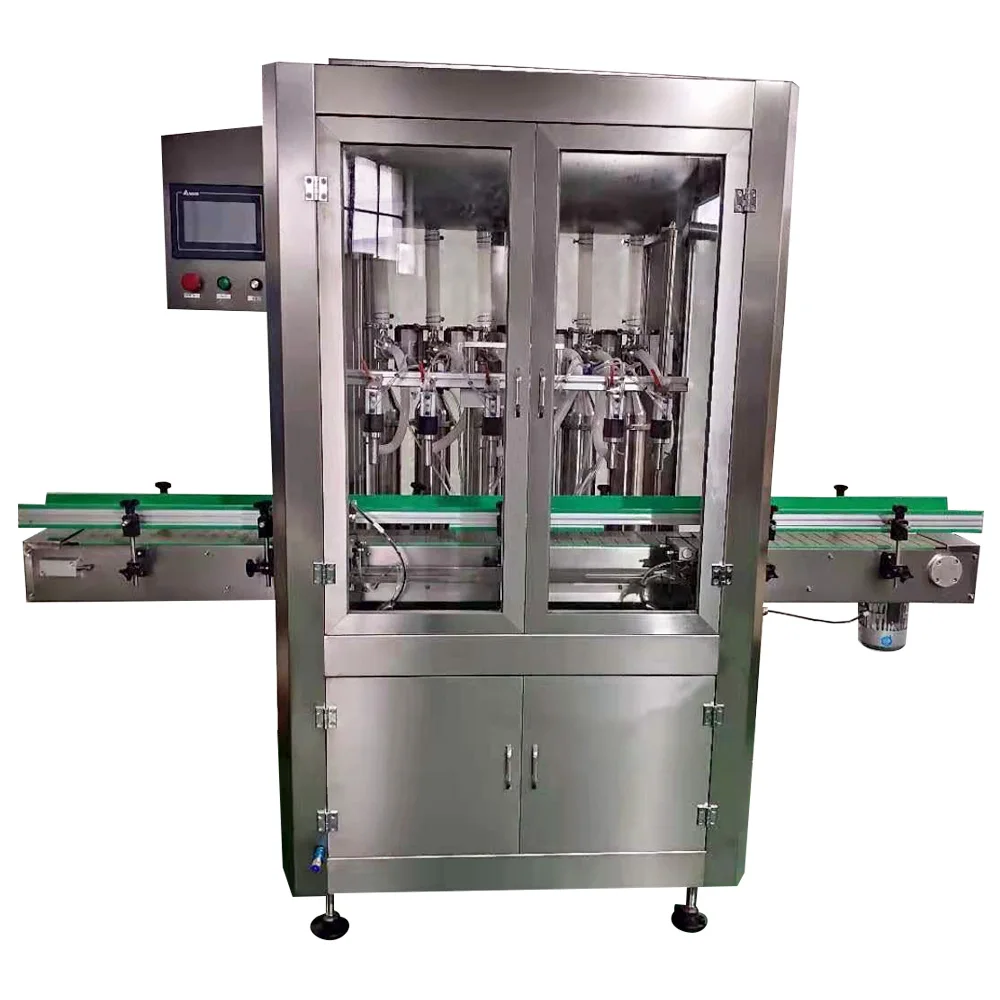
Monoblock  filling  equipment  is an essential solution for  manufacturers in the  beverage, dairy, and food industries, designed to  streamline  the liquid filling and packaging process. Buyers  often face concerns regarding efficiency, accuracy, and customization capabilities, as various applications  require specific  configurations. This article will explore key specifications,  purchasing guides, sourcing  options,  cost  factors, and  the features and benefits  of monoblock  filling machines, helping  you make  an informed decision for your  operational needs.

Wholesale Purchasing Guide for Monoblock Filling Solutions

When purchasing monoblock filling equipment wholesale, it  is essential to follow a structured approach to ensure you get the best value for your investment:

Research Suppliers: Begin  by identifying reputable manufacturers with experience in producing monoblock  filling solutions. Look for companies that offer customization options and have a track  record of assisting businesses in your industry.

Request Quotes: Prepare a  detailed request for  quotation (RFQ) that includes  specifications such as required  capacity, material preferences, and any customization needs. This ensures suppliers understand your requirements and can provide accurate pricing.

Assess Total Cost of Ownership: Beyond the initial purchase price, consider ongoing costs such as maintenance, operational efficiency, and the longevity of  the equipment.  A higher upfront cost may be justified  by  lower  operational expenses and extended machine life.

Review Warranty and Support Options:  Evaluate  the warranty provided and the  level  of customer support offered by the supplier. Reliable  after-sales support can be crucial for minimizing downtime and addressing any operational challenges that arise.

Inspect Samples: If possible, request a sample or  a demonstration of the equipment to assess its performance in real-world conditions. This can help identify any potential issues before finalizing  the purchase.
Where to Source Reliable Monoblock Filling Equipment Suppliers

Finding trustworthy suppliers for monoblock filling equipment involves several strategies:

Industry  Associations and Trade Shows: Participate in industry trade shows and  join relevant  associations. These platforms provide opportunities to meet manufacturers  and  suppliers, allowing you to evaluate their offerings firsthand.


Online Marketplaces  and Directories: Utilize online platforms that specialize in B2B transactions,  such as Alibaba or ThomasNet. These sites  typically feature reviews and ratings, helping you assess supplier credibility.

Networking: Leverage your professional network  to gather recommendations. Colleagues or  industry contacts may  have experience with specific suppliers and can provide insights into their  reliability and performance.

Manufacturer  Websites: Research manufacturers like Mars Packing Machinery that specialize in monoblock filling solutions.  Their websites often  contain valuable information about their offerings, capabilities,  and certifications.

Request References: Don’t hesitate  to ask potential suppliers for references from previous customers. Speaking directly with other  businesses can help you gauge the supplier’s reliability  and product quality.

Cost Factors to Consider When Buying Monoblock Filling Machines

Understanding the various cost components associated with monoblock filling  machines is vital  for effective budgeting:

Initial Purchase Price: This includes the  base cost of the machine and any optional features.  Be sure to compare  quotes from multiple suppliers to ensure you are getting a competitive price.

Customization Costs: Custom features can significantly impact  the overall cost. Discuss your specific needs with suppliers to obtain accurate estimates for any  modifications required.

Shipping and Installation: Factor in shipping costs, which can  vary based on location and machine size. Additionally, consider installation fees if the  supplier  provides this service.

Maintenance and Parts Replacement: Regular maintenance is  crucial for  ensuring the  longevity of  your equipment. Inquire about the availability of spare parts and the typical costs associated with maintenance.

Training: If  your team requires training to  operate the new equipment, consider the  associated costs. Some  suppliers may  offer training as  part of the purchase agreement, while others may charge separately.

Features and Benefits

Monoblock filling equipment offers numerous features and benefits that make it a  preferred choice for many  manufacturers:

Space Efficiency: The monoblock design combines multiple functions (filling, capping, and labeling) into a single machine, which minimizes the amount of  floor space required compared to separate machines.


Increased Efficiency: By integrating multiple processes, monoblock filling machines can significantly reduce cycle times  and improve  overall production efficiency, leading to  higher output rates.

Reduced Labor Costs: Automation of the filling process can lead to lower labor costs, freeing up staff for other  essential tasks  within  the  production line.


Improved Quality Control: Advanced monitoring systems ensure that each fill  meets the required specifications, reducing the risk of product recalls due to inconsistencies.

Versatility: Monoblock filling machines can be adapted for various liquid types and container sizes, making them suitable for a range of applications within  the beverage, dairy, and food industries.

when  investing  in monoblock filling equipment, it is essential to consider specifications, purchasing strategies, sourcing options, cost factors, and the benefits these  machines bring  to your operation. By doing so, you position your business for  improved efficiency, quality, and  profitability in the competitive manufacturing landscape.

Key Specifications to Consider in Monoblock Filling Equipmen

When  evaluating monoblock filling equipment, several key specifications should be prioritized to ensure optimal  performance and compatibility with your production line.

Filling Capacity: This refers to the machine's ability to fill a certain volume of liquid per  minute. Buyers should consider their production demands and select equipment that aligns with their  output requirements. For instance,  a high-capacity  machine may be necessary  for large-scale beverage manufacturing, while smaller operations might benefit from  a machine with adjustable filling speeds. If you are looking for suitable packaging options, consider our Packaging Material.

Filling Accuracy: Precision is crucial in liquid filling operations. Look for machines that  offer a high degree of accuracy in volume measurement to minimize product loss and maintain quality standards. This is particularly important in  industries like dairy and beverages, where slight variations can lead to significant financial losses.

Material Compatibility: The construction materials of the filling machine should be compatible with  the liquids being processed. For example, equipment handling acidic beverages  may  require corrosion-resistant materials, while dairy applications need components that can withstand cleaning agents  without degrading.

Customization Options: Different applications may require unique configurations, such as specific nozzle designs or filling mechanisms (gravity  vs.  pressure  filling). Manufacturers  should evaluate their needs and seek equipment that can be tailored to meet specific production processes, including options like the Filling Machine.

Compliance and Certifications: Ensure the equipment meets industry standards and certifications, such as ISO9001 and CE,  which indicate adherence to quality management and safety regulations. This is particularly important for food and beverage industries, where regulatory compliance can impact market access.

Our Blog Posts

Juice Filling Machine Pulp Separation: Optional Filters for Clear vs. Pulpy Juices

09

Mar

Juice Filling Machine Pulp Separation: Optional Filters for Clear vs. Pulpy Juices

Juice filling machines are really important when you making juice, specially because how clear or how much pulp you want in it. Some peoples prefer smooth juice without any bits, while other like little pulp for that fresh feeling taste. Mars have ma...
View More
Wet Glue Labeling Machine Speed Control: Adjusting for Different Label Sizes

01

Apr

Wet Glue Labeling Machine Speed Control: Adjusting for Different Label Sizes

Wet glue labeling machines is used in factories for putting labels on products fast and good. They works well for various kinds of labels, but they can have some troubles, specially with speed control. When labels size change, the machine speed need ...
View More
Washing Capping Machine Cap Sorting: Auto-Sorting Systems to Avoid Misaligned Caps

17

Apr

Washing Capping Machine Cap Sorting: Auto-Sorting Systems to Avoid Misaligned Caps

Washing capping machines are important machine in a beverage and liquids bottling factory. Among various functions of washing capping machine, the cap sorting mechanism plays very important part. As is shown, the cap sorting mechanism of washing capp...
View More
Complete Bottling Line: Full Solution for Beverage Production Business

09

Jun

Complete Bottling Line: Full Solution for Beverage Production Business

Mars makes great drinks, and we want to share how we do it with our complete bottling line. A bottling line is series of machines that work together to fill, cap, and package beverages. This important for any drink business. When you have a smooth bo...
View More

Get a Free Quote

Our representative will contact you soon.
Email
Name
Company Name
Message
0/1000

Related product categories

Get a Free Quote

Our representative will contact you soon.
Email
Name
Company Name
Message
0/1000