 EN
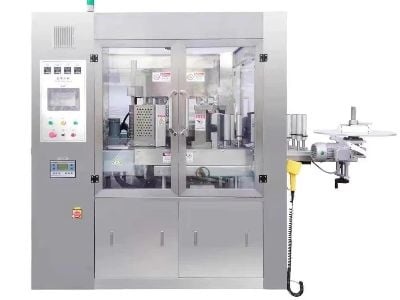
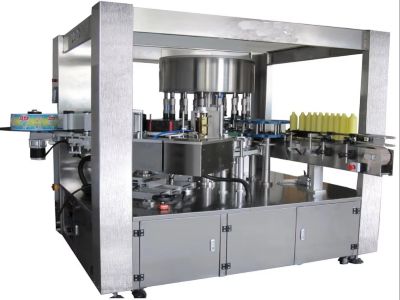
A monoblock filling and sealing machine is an integrated system designed for efficiently filling and sealing containers in a single operation. These machines are crucial in the beverage, dairy, and food packaging industries, where speed, precision, and reliability are paramount. Buyers often seek to understand the specifications, potential issues, and efficiency solutions related to these machines. This article will guide you through selecting the right monoblock filling and sealing machine, key specifications to consider, evaluating quality, common problems, and solutions for efficient operation.
Key Specifications of Monoblock Filling and Sealing Machines
When evaluating monoblock filling and sealing machines, several key specifications should be prioritized:
Filling Accuracy: The machine should provide precise filling capabilities to minimize product waste and maintain quality. Look for specifications detailing the filling volume tolerance.
Sealing Method: The sealing technology—whether heat sealing, vacuum sealing, or induction sealing—affects the packaging integrity. Choose a method that aligns with your product's shelf life and storage requirements.
Production Speed: Measure the machine’s output capacity, typically expressed in bottles or containers per minute. Ensure that it meets your production demands without sacrificing quality.
Material Compatibility: The machine should be designed to handle the materials used for both the filling and sealing processes. Ensure that it can accommodate the specific container types and materials relevant to your products.
Automation Level: Higher automation levels can enhance efficiency and reduce labor costs. Determine the balance of automation that fits your operational strategy.
Understanding these specifications will help you select a machine that meets your production needs while ensuring quality and reliability.