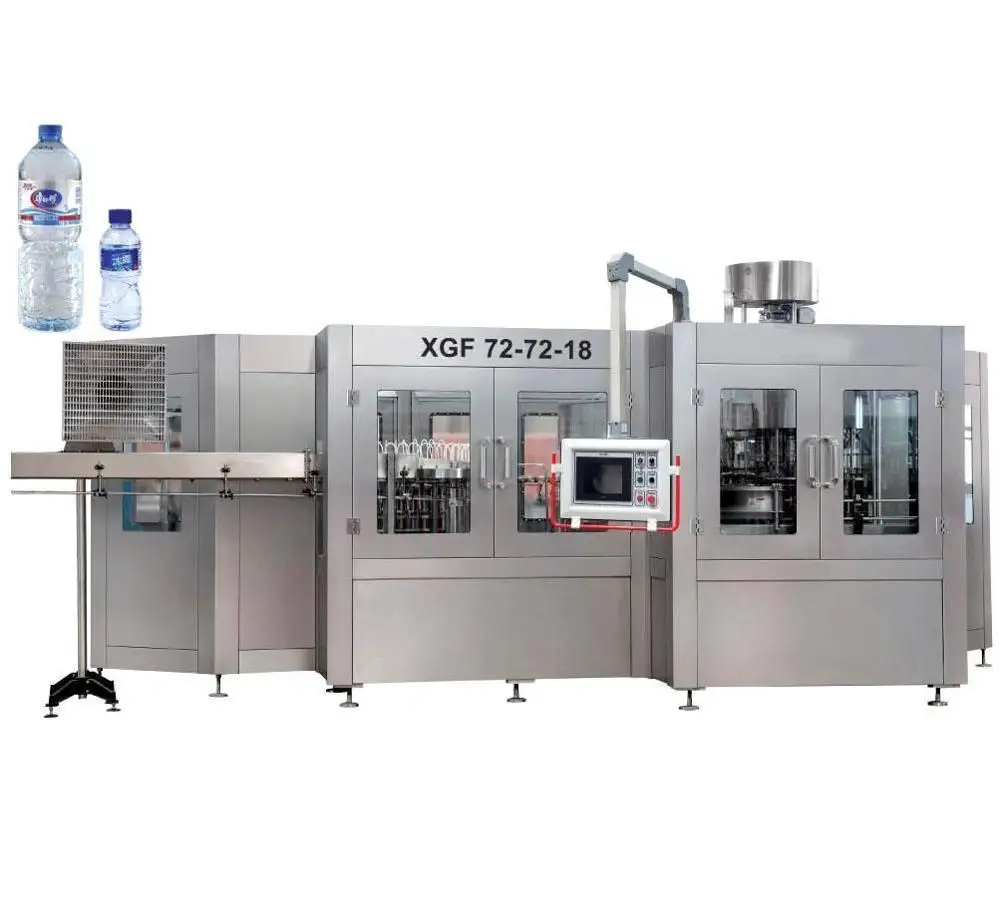
Choosing the Right Air Gravity Conveyor for Your Needs

All Categories

air gravity conveyor

Air  gravity conveyors  are essential  systems used in various industries to  transport  bulk  materials efficiently without  the need for mechanical parts. They utilize  the principle of  air suspension to  move products smoothly  along a conveyor path, making them a preferred choice for applications requiring  careful handling of materials.  B2B buyers, including purchasing managers and engineers, often express concerns regarding selecting  the right  model, evaluating quality, and addressing potential operational  issues. This  article aims to provide insights into choosing air gravity conveyors, exploring their common problems,  applications, quality  evaluations, and  selection criteria.

Common Problems with Air Gravity Conveyors and Their Solutions

Air  gravity conveyors can encounter various  operational issues that may disrupt efficiency. Common  problems include material blockages,  inconsistent flow rates, and wear and tear of components. Blockages often occur due to improper material characteristics or insufficient  air flow. To mitigate  this, ensure that the material being transported is suitable for air gravity systems and  that the conveyor  is correctly sized to handle the load.

Inconsistent flow rates can arise  from fluctuations in air pressure or material density.  Regular maintenance and monitoring  of the air supply system can help maintain consistent performance. Additionally, utilizing variable frequency drives (VFDs) can allow for better control over airflow, adapting  to changing  material conditions.

Finally, wear and tear are inevitable in  any conveyor system. Regular inspections and maintenance are crucial to identify  worn components before they lead to significant failures. Establishing a maintenance schedule and working closely with your supplier  to  understand the expected  lifespan of  various components  can enhance the conveyor’s longevity.
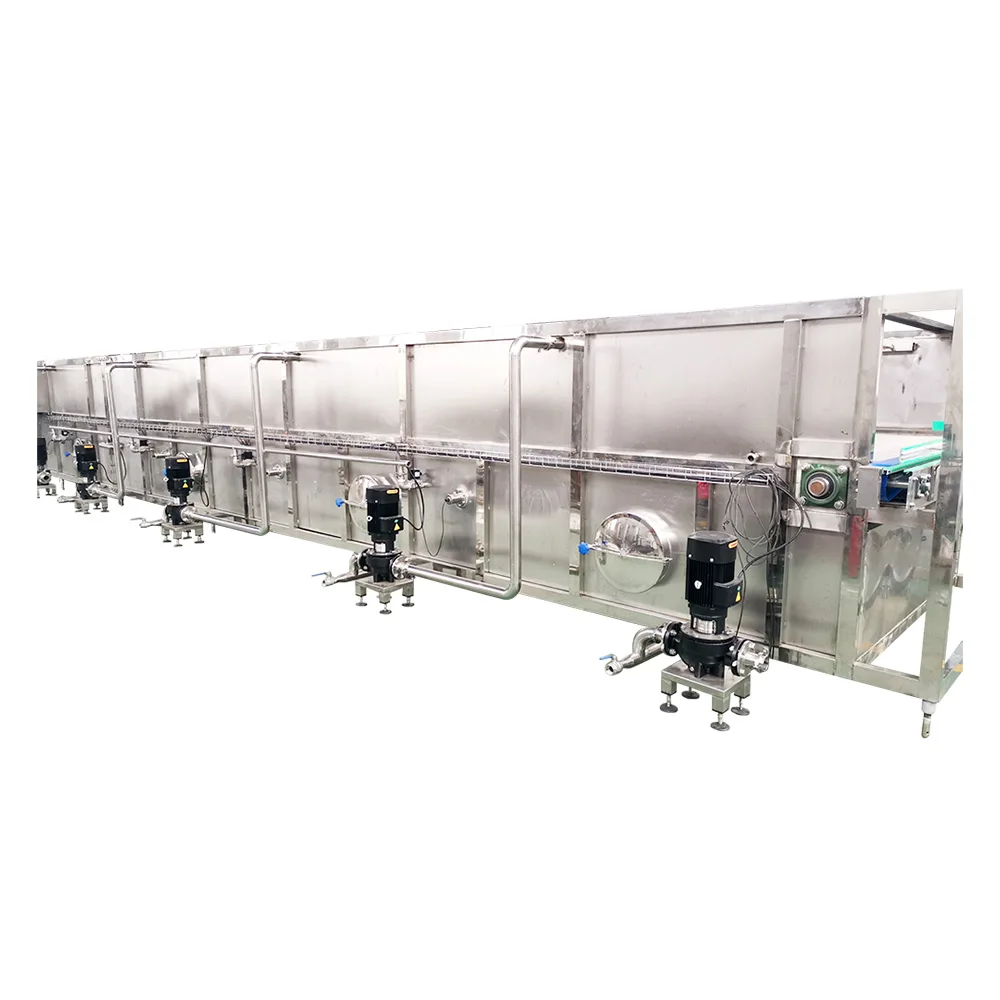
Applications of Air Gravity Conveyors in Various Industries

Air gravity  conveyors are versatile and find applications across several  sectors, including food and beverage, pharmaceuticals,  and logistics. In the food and beverage industry, these conveyors are often used to transport  delicate products such as powdered ingredients and granules,  as they minimize  physical contact and reduce the risk of contamination.  The use of a Packaging Material is also crucial in ensuring the integrity of the products being transported.

In the pharmaceutical sector, air gravity conveyors are utilized for transporting sensitive materials that require strict hygiene  standards. Their gentle handling capacity  makes them ideal for  moving  products without compromising quality.

Logistics companies also  leverage air gravity conveyors to streamline operations, especially for packaging and sorting processes. Their ability  to operate continuously with minimal mechanical wear makes them an attractive  choice for high-volume applications.

Understanding  the specific application requirements is crucial when selecting  an air gravity conveyor. Collaborating with  an  experienced manufacturer can provide insights into  best practices and potential modifications to  meet  unique operational needs.

Evaluating the Quality of Air Gravity Conveyors for Long-Term Use

Quality assurance is vital when investing  in air  gravity conveyors. Buyers should focus on several key attributes, including material  quality, manufacturing processes, and certifications. The materials used in constructing  the conveyor should withstand the intended operational  conditions, including exposure  to various chemicals, temperature extremes, and  physical stresses.

Manufacturers like Mars Packing Machinery typically adhere  to stringent quality standards,  with ISO9001 and CE certifications indicating  compliance with  international regulations. Buyers should inquire about these certifications to  ensure the product meets necessary quality benchmarks.

Additionally, understanding the manufacturing processes employed can provide insights into the conveyor's durability. Advanced manufacturing techniques,  such as  precision machining and thorough quality control inspections, can significantly  enhance the product's longevity. Before placing an order, it is advisable to  request detailed  specifications  and, if possible, visit  the  manufacturing facility to observe the production processes firsthand.

How to Choose the Best Air Gravity Conveyor for Your Projec

Choosing the best  air gravity conveyor involves a thorough assessment of project requirements and supplier capabilities. Start by defining the project scope,  including the materials to be conveyed, required capacity, and layout constraints. This information will help narrow down the  options.

Next, engage with potential suppliers  to  assess their expertise and customization capabilities. A  manufacturer  with extensive experience in the industry can provide  valuable insights into the most suitable conveyor systems for  your specific applications. Discussing potential design modifications or custom features can also enhance the conveyor's  performance.

When evaluating suppliers, consider their track record in delivering quality  products and  reliable customer service. Request references and check for customer feedback to gauge their reputation in the market. Additionally, discussing after-sales support  and maintenance services can be  critical for ensuring long-term operational success.

Lastly,  don’t overlook the importance of pricing. While cost is a  significant factor, it should not be the sole determinant. Assessing the total cost of ownership, including maintenance,  energy consumption, and  potential downtime, will provide a clearer picture of the investment's value.

By thoroughly understanding the factors outlined ,  B2B buyers can make informed decisions when  selecting air gravity conveyors that align with their operational needs and quality expectations.

Choosing the Right Air Gravity Conveyor for Your Bulk Order Needs

Selecting the appropriate air gravity conveyor involves understanding several key factors, including the material  being transported,  the required  capacity, and the specific application environment. The material’s characteristics,  such as weight, size, and  flowability, directly impact  the conveyor's design. For instance, heavier materials  may require a more robust construction,  while lightweight materials  might necessitate  a system with less support structure.

Capacity is another critical consideration. Determine the required throughput to ensure the conveyor can handle the desired volume  within a specific timeframe. Most manufacturers can provide tailored solutions to meet these needs, emphasizing the importance of discussing your requirements during the pre-sales  consultation. Additionally, consider the operating environment. Factors such as  temperature, humidity, and exposure to chemicals can influence the material selection for the conveyor. For example, corrosive  environments  may require materials with  higher resistance,  such as  stainless steel. Consulting with a manufacturer  like Mars Packing Machinery can help ensure that the selected system aligns with your operational demands.

Our Blog Posts

From Raw Water to Bottling: Water Treatment Tech Breakdown

16

Nov

From Raw Water to Bottling: Water Treatment Tech Breakdown

Water is everywhere, but making raw water into clean bottled water is a big job. At Mars, we know it’s not enough to just fill bottles from a river or well. Water needs to jumps through plenty of hoops to become safe and delicious. There’s a lot of t...
View More
Filling Machine Material Construction: Corrosion-Resistant Parts for Acidic Juices

07

Mar

Filling Machine Material Construction: Corrosion-Resistant Parts for Acidic Juices

Filling machines they are really important in lots industry, specially for packing juices. When we make this machines, we have to think about what materials using. This is more true when deal with acidic juices, like citrus ones. Juices can be very h...
View More
Beer Filling Machine Line Cleaning: Scheduling CIP Cycles to Avoid Cross-Contamination

09

Mar

Beer Filling Machine Line Cleaning: Scheduling CIP Cycles to Avoid Cross-Contamination

Keeping beer filling machines clean is super important. When we talking about cleaning, we often say CIP, or Clean-In-Place. This mean you clean the machines without take them apart, right there where they stand. If you schedule these CIP cycles good...
View More
OPP Hot Glue Labeling Machine Maintenance: Cleaning Glue Nozzles to Prevent Clogs

30

Mar

OPP Hot Glue Labeling Machine Maintenance: Cleaning Glue Nozzles to Prevent Clogs

Keeping your OPP Hot Glue Labeling Machine running smooth is important for make sure all things work well. One key part that need regular care is the glue nozzle. Over time, glue build up and cause clogs. This slow down your machine and make issues w...
View More

Get a Free Quote

Our representative will contact you soon.
Email
Name
Company Name
Message
0/1000

Related product categories

Get a Free Quote

Our representative will contact you soon.
Email
Name
Company Name
Message
0/1000