Evaluating Industrial Air Conveying Systems

All Categories

industrial air conveying systems

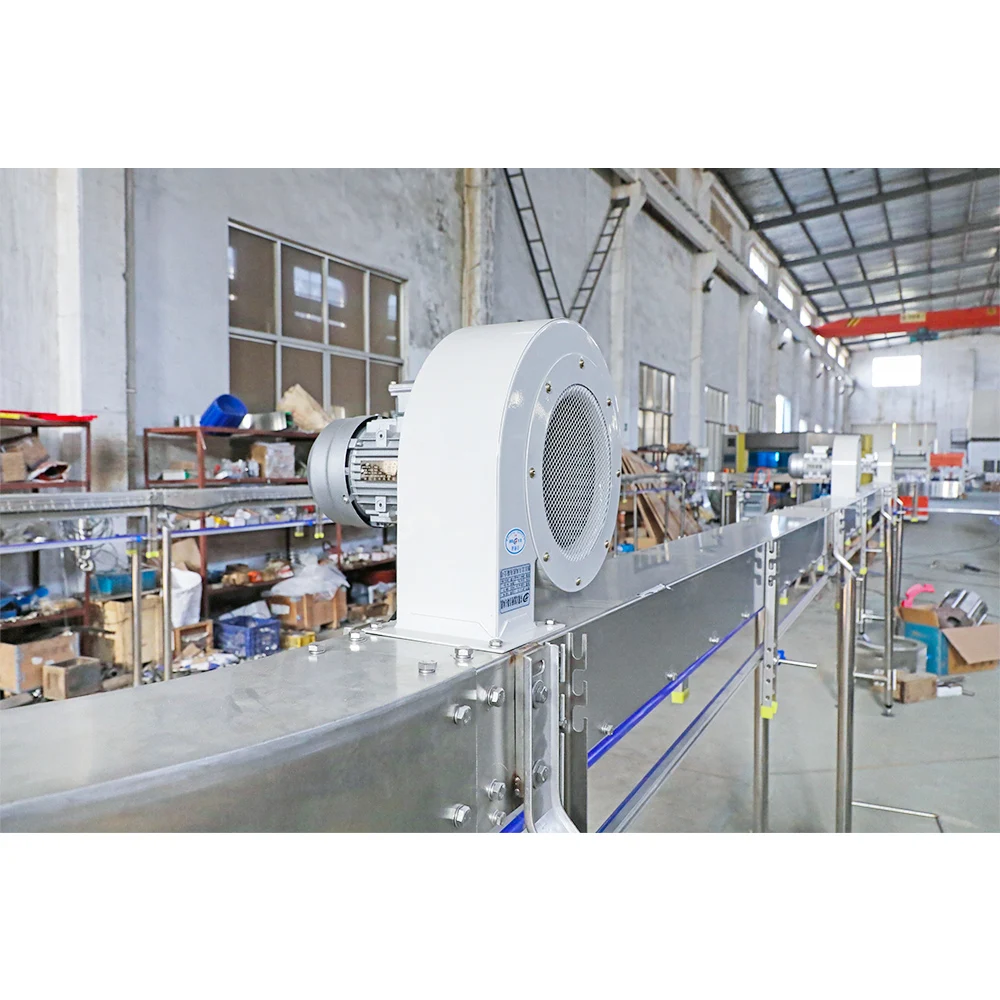
Industrial air conveying systems  play a crucial role in the  manufacturing and distribution of various products across industries,  including food and beverage,  pharmaceuticals, and packaging.  These systems  efficiently transport materials  such as powders, granules,  and  bulk products through pipelines  using air pressure. For B2B buyers, understanding the  specifications,  applications, and supplier reliability  of industrial air  conveying systems is essential  to making informed purchasing decisions.  This article will guide you  through the key factors to consider when  evaluating  these systems, ensuring you choose a solution that fits your  operational needs.

Where to Find Reliable Suppliers for Air Conveying Equipmen

Finding a trustworthy supplier for  industrial  air conveying systems involves several steps:

Industry Networks: Engage with industry associations and trade shows where manufacturers and suppliers  showcase their products. Networking with other  professionals can lead  to  recommendations for reputable suppliers.

Online Marketplaces and Directories: Utilize  B2B marketplaces and directories  that specialize in industrial equipment. These platforms often provide  detailed supplier profiles, including customer reviews,  product catalogs, and  contact  information.

Referrals and Recommendations: Ask for referrals from colleagues  or industry  contacts who  have successfully sourced air conveying systems. Their experiences can guide you  toward reliable suppliers.

Supplier Assessments: Once you identify potential suppliers, conduct assessments based on their manufacturing capabilities, delivery timelines, and after-sales  support. Request references and  evaluate their responsiveness and willingness to provide  detailed information  about their products.

Cost Factors to Consider for Bulk Orders of Air Conveying Systems

When planning  to place bulk orders for  industrial air conveying systems, several cost factors  should be taken into account:

Initial Quotation: Request detailed quotations from multiple suppliers, ensuring you compare similar specifications and features. Look for transparency in pricing to avoid hidden costs  later.

Volume Discounts: Many manufacturers offer discounts for bulk orders. Inquire  about  pricing tiers based on  order quantities to optimize your purchasing  budget.

Customization Costs: Custom  engineering  solutions may incur additional costs. Ensure you understand any  extra charges associated with tailored designs, which may be necessary for unique operational  requirements.

Shipping and Handling: Calculate shipping  costs, which can vary significantly based on distance and delivery method. Consider the potential impact of logistics on your overall budget.

Maintenance and  Operation Costs: Assess the  long-term  costs  associated with operating  and maintaining the air conveying system. Systems that require frequent repairs  or have high energy consumption can increase total cost  of ownership.

Applications of Industrial Air Conveying Systems Across Industries

Industrial air conveying systems are versatile and find applications across  various sectors:

Food and Beverage: In this  industry, air conveying systems transport dry ingredients  like flour, sugar, and spices, as well as bulk liquids. Their ability to maintain product integrity and hygiene is crucial.

Pharmaceuticals: Air conveying systems are used to  move powders and granules while adhering to strict cleanliness and contamination  control  standards. These systems must be designed  for easy cleaning and  compliance with regulatory requirements.

Plastic and Chemical Manufacturing: In these sectors, air conveying helps transport  resins, pellets, and other materials. The systems must handle abrasive materials without degradation, ensuring  reliable operation.

Recycling and Waste Management: Air conveying systems efficiently transport  recyclable materials, contributing to streamlined operations  in recycling facilities. Their adaptability to different materials makes them  valuable in waste  processing.

Packaging: In  packaging operations, air conveying systems can  facilitate the movement of packaged products to various lines or  storage  areas, enhancing overall efficiency. Consider integrating a Carton Packing Machine to enhance your packaging capabilities.

Comparing Different Air Conveying Systems for Optimal Performance

When comparing air conveying systems, consider the  following aspects to ensure optimal performance:

System Type: There are various types of air conveying systems,  including vacuum, pressure, and pneumatic conveyors. Each  type has its  advantages depending on the  material being transported and the  requirements of the application.

Performance Metrics: Evaluate metrics such  as airflow rate, conveying distance, and system capacity. These performance indicators help determine  whether the system can meet  your  operational demands.

Energy Efficiency: Assess the energy consumption of different systems. Systems designed for high efficiency can lower operational costs and reduce environmental impact.

Ease of Maintenance: Consider the maintenance requirements for each system type. Systems  designed for easy  access to components for cleaning and repairs can save time and operational downtime.

Supplier Support and Warranty: Finally,  compare the level of support offered by suppliers, including warranties, maintenance services, and training. A supplier that stands  behind their product can greatly enhance your  experience and satisfaction with the system.

By understanding these key factors, B2B buyers can make informed decisions when sourcing industrial air conveying systems.  Ensuring  that the  chosen solution aligns with operational needs, budget  constraints,  and quality standards will ultimately contribute to efficient and effective material handling in diverse industrial settings.

How to Evaluate the Quality of Industrial Air Conveying Solutions

When assessing the quality of industrial air conveying systems, consider several critical factors:

Material Specifications: The construction materials  used in air conveying systems should withstand  the intended operating conditions, including temperature,  pressure, and chemical  exposure. For instance, stainless steel is often preferred for its durability and resistance to corrosion,  especially  in food and beverage applications.

Design and Engineering: Evaluate whether the system design is tailored to your specific  application.  A well-designed system should minimize material degradation and ensure efficient air flow. Working with a supplier that offers custom engineering solutions can help  address  unique challenges in  your operation. Additionally, consider integrating a Packing Machine to streamline your packaging processes.

Certifications and Standards: Check for relevant certifications  such as  ISO9001 and CE, which indicate that the manufacturer adheres to quality management standards and product safety regulations. These certifications can provide assurance of the system's reliability and performance.

Quality Control Processes: Inquire  about the manufacturer's quality  control measures throughout the production process. Effective quality assurance can help identify potential  issues early, ensuring that the final product meets specifications.

User Reviews and Case Studies: Research feedback from other users in similar  industries. Case studies can provide insights into the system's performance in real-world applications, highlighting  both strengths  and weaknesses.

Our Blog Posts

Can Filling Line Optimization: Maximizing Output for Energy Drink Manufacturers

17

Mar

Can Filling Line Optimization: Maximizing Output for Energy Drink Manufacturers

Maximizing Productivity: Throughput for Producers of Energy Drink Efficiency is everything in the production of an energy drink. Everything from the output of the filling machines to quality control is crucial to being successful in North America&rsq...
View More
Water Bottling Line Sustainability: Recycled PET Bottle Solutions for Eco-Friendly Brands

17

Oct

Water Bottling Line Sustainability: Recycled PET Bottle Solutions for Eco-Friendly Brands

Sustainable Water Bottling Line: Recycled PET Bottle Options for the Eco-Conscious BrandAt Mars, sustainability is a part of everything we do. Our own branded still and sparkling water When we utilize recycled PET bottles, we’re not only reducing our...
View More
PET Bottle Blowing Machine Mold Changes: Quick Swap-Outs for Different Bottle Designs

07

Mar

PET Bottle Blowing Machine Mold Changes: Quick Swap-Outs for Different Bottle Designs

Making bottles is really big job! Companies who want make different kinds bottles, they use this machines called PET bottle blowing machines. These pet blowing machine is very important because help produce bottles fast and in various shapes. Bu...
View More
Wet Glue Labeling Machine Speed Control: Adjusting for Different Label Sizes

01

Apr

Wet Glue Labeling Machine Speed Control: Adjusting for Different Label Sizes

Wet glue labeling machines is used in factories for putting labels on products fast and good. They works well for various kinds of labels, but they can have some troubles, specially with speed control. When labels size change, the machine speed need ...
View More

Get a Free Quote

Our representative will contact you soon.
Email
Name
Company Name
Message
0/1000

Related product categories

Get a Free Quote

Our representative will contact you soon.
Email
Name
Company Name
Message
0/1000