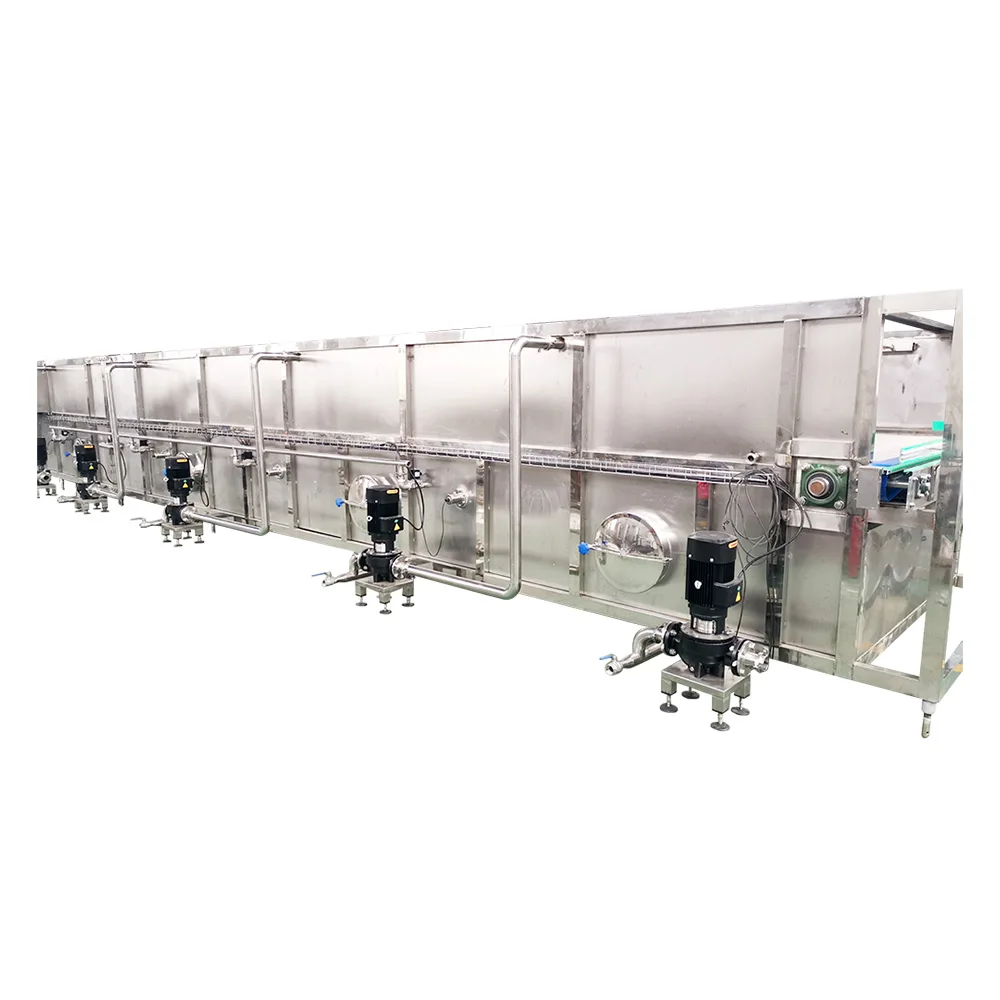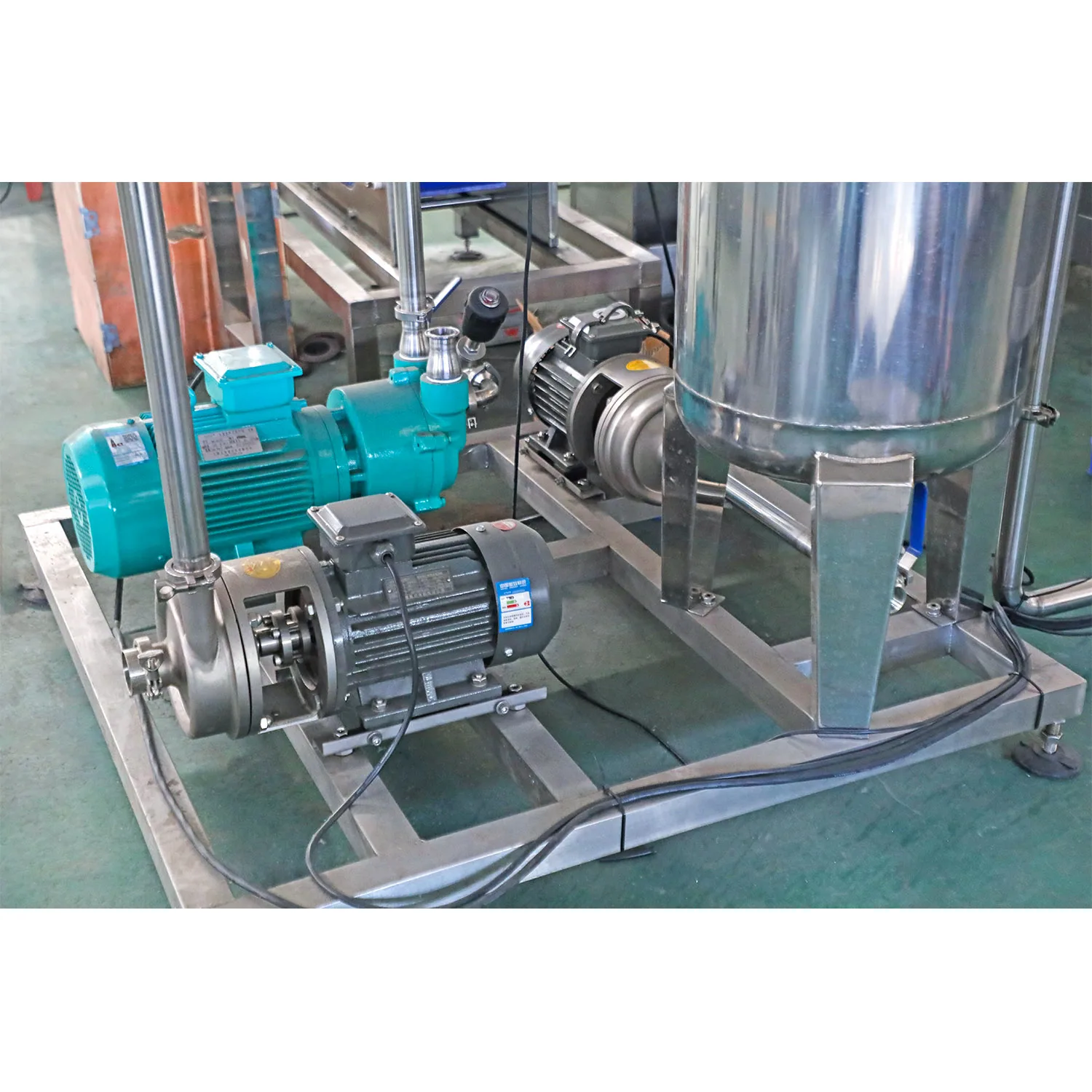
Reliable Pneumatic Air Conveyors for B2B Buyers

All Categories

pneumatic air conveyor

Pneumatic air conveyors  are essential  systems used in  various industries for efficiently  transporting materials  such as powders, granules, and  other bulk products.  These systems utilize  compressed air to move materials  through pipelines, offering advantages like reduced  labor costs and improved safety.  For  B2B buyers,  concerns typically revolve around system  compatibility, operational efficiency, maintenance requirements, and supplier  reliability. This article will delve into  critical aspects  of pneumatic air conveyors,  helping purchasing managers, engineers, and product managers make  informed decisions.


Common Problems with Pneumatic Air Conveyors and Solutions

Pneumatic air conveyors  can present several challenges, including material degradation, blockages, and inconsistent flow rates. Material degradation often  occurs when the conveyed product is sensitive to air pressure changes  or friction within the system. To mitigate  this, it is crucial to select appropriate materials for both  the conveyed  product and the  conveyor components. For example, using  a gentler conveying method or  optimizing the  air pressure can help preserve the integrity of  delicate materials.

Blockages can arise from improper system design or the accumulation of material in bends and corners. To  prevent  this, ensure that the design accommodates the physical characteristics of the materials being conveyed, including particle  size and flow properties. Regular maintenance checks and cleaning routines can also help reduce the  risk of blockages.

Inconsistent  flow rates may indicate an issue with air  supply or system leaks. Conducting routine inspections to verify air  pressure and seal  integrity can help maintain consistent performance. For instance, utilizing pressure gauges and flow meters can assist in monitoring the system’s  efficiency.

Installation Guidance for Pneumatic Air Conveyors

Proper installation of  pneumatic air conveyors is vital for optimal performance.  Begin by conducting a thorough assessment of the installation site,  including evaluating the available space and existing infrastructure. This will help determine the appropriate layout and configuration for the conveyor system.

Once the design is finalized,  ensure that all components are  compatible and meet the required specifications. It’s advisable  to consult with the  supplier during this phase to confirm  that installation guidelines are met. Additionally, consider factors such as the length of the conveying  pipeline, the number of  bends,  and the elevation changes,  as these  can  significantly affect performance.

During  installation, follow the manufacturer's instructions meticulously, paying close attention  to the alignment of pipes and fittings to  prevent leaks. It may be beneficial  to run a test cycle after  installation to identify  any issues before full-scale operation begins.

Features and Benefits

Pneumatic air conveyors offer several features that enhance operational efficiency. One of the primary benefits is their ability to  transport materials over  long distances with minimal energy  consumption compared to other methods. This is particularly  advantageous in large manufacturing facilities  where  materials need to be moved between different production areas.

Another  key feature  is the flexibility of pneumatic systems. They can be designed to accommodate various materials, from fine powders to larger  granules, making them versatile solutions for different industries. Additionally, the  enclosed design of  pneumatic air conveyors minimizes  dust emissions  and reduces the risk of contamination, which is crucial in food and beverage applications. For more on this, check out our Beverage Pretreatment System.

Moreover,  these systems can be automated,  allowing for integration with other  equipment such as filling machines and packaging lines. This can enhance overall productivity and streamline workflows,  ultimately  leading to  cost savings  and improved efficiency.

Quality Control Measures in Pneumatic Air Conveyor Manufacturing

Quality control is paramount in  the  manufacturing  of pneumatic air conveyors. A stringent quality management system ensures that every component meets the required  specifications  and performance standards. This includes thorough testing  of materials, components, and finished products before they leave the  factory.

During the manufacturing process, it's essential to conduct inspections at various stages. For instance, verifying the integrity  of welds and connections can prevent issues during operation.  Additionally, utilizing advanced testing methods, such as pressure testing and flow analysis, can help identify potential weaknesses in the system.

Engaging with suppliers who prioritize quality control, such as those  certified under ISO9001, can provide peace of mind.  This certification ensures that  the manufacturer  adheres to internationally recognized quality management principles, which can significantly  reduce the risk of performance issues and enhance the reliability of  the pneumatic air conveyors.

In summary, understanding the critical aspects  of pneumatic air conveyors—from supplier selection and common challenges to  installation and quality control—can empower B2B buyers to make  informed purchasing  decisions. By focusing on  these factors, purchasing managers and engineers can ensure they select the right systems for their operational needs.

Where to Find Reliable Suppliers of Pneumatic Air Conveyors

Identifying reliable suppliers  of pneumatic air conveyors involves assessing their reputation, manufacturing capabilities, and industry experience. Start by evaluating  suppliers  with a solid track record in manufacturing pneumatic  systems, particularly those with certifications like ISO9001  and CE. These certifications indicate adherence to quality management standards and product safety  regulations. For an in-depth look at efficient material handling, refer to our Packaging Material section.

Additionally, consider suppliers that provide comprehensive pre-sales  consultation and installation services. This is particularly important in industries like  water, beverage, and dairy, where  the  application of pneumatic systems can vary significantly. Engaging with suppliers that have a global presence,  like Mars Packing Machinery, can also  provide insights into  best practices and innovations in pneumatic air  conveyor technology.

When reaching out to  potential suppliers,  ask for case  studies or references from similar industries. This can help ensure they  have experience addressing specific needs, such as material handling or integration  with existing  systems.

Our Blog Posts

Sleeve Labeling Machine Benefits: Why Shrink Sleeves Are Gaining Popularity for Bottled Water

17

Mar

Sleeve Labeling Machine Benefits: Why Shrink Sleeves Are Gaining Popularity for Bottled Water

Eye-Catching Shrink Sleeve Labels Expand Brand Awareness In the current marketplace, making an impact on shelf is key to success. Mars Packing Machinery knows how important brand power is and we provide the solutions that allows your bottled water ra...
View More
From Raw Water to Bottling: Water Treatment Tech Breakdown

16

Nov

From Raw Water to Bottling: Water Treatment Tech Breakdown

Water is everywhere, but making raw water into clean bottled water is a big job. At Mars, we know it’s not enough to just fill bottles from a river or well. Water needs to jumps through plenty of hoops to become safe and delicious. There’s a lot of t...
View More
Shrink Packing Machine Film Thickness: Choosing the Right Gauge for Light vs. Heavy Bottles

15

Jan

Shrink Packing Machine Film Thickness: Choosing the Right Gauge for Light vs. Heavy Bottles

When packaging bottles the right thickness of shrink film is very important. The thickness of the film can make a significant difference, and different bottles want different kinds of care. Mars knows that for lightweight bottles, you want something ...
View More
Carbonated Soft Drink Bottling Line Future Trends: AI-Powered Systems for Predictive Maintenance

25

May

Carbonated Soft Drink Bottling Line Future Trends: AI-Powered Systems for Predictive Maintenance

Carbonated soft drinks is big in many people lives. They come with all kind flavors and kids plus adults enjoy them. But you ever thought how these drinks made? At Mars we focus make process easy and fast. One fun part is the bottling line where drin...
View More

Get a Free Quote

Our representative will contact you soon.
Email
Name
Company Name
Message
0/1000

Related product categories

Get a Free Quote

Our representative will contact you soon.
Email
Name
Company Name
Message
0/1000