Choosing the Right Monobloc Filling Machines

All Categories

monobloc filling

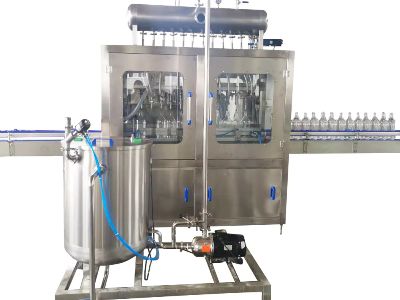
Monobloc filling machines are essential  for efficiently packaging liquids in  various  industries, including beverages and dairy. These integrated systems  combine multiple functions—such  as filling,  capping, and labeling—into a single unit, offering streamlined production  and  reduced floor  space requirements. For B2B  buyers,  understanding the key  aspects of monobloc filling machines is crucial to ensure optimal  performance, reliability, and  cost-effectiveness.  This article will guide  you through selecting the right machine, sourcing reliable  suppliers, troubleshooting  common issues,  exploring applications, and  understanding material advantages.

Where to Source Reliable Monobloc Filling Machines for Wholesale Orders

Sourcing reliable monobloc filling machines for  wholesale orders involves  careful consideration of  several key factors. Start by researching  manufacturers with a solid reputation in the industry. Look for companies that have experience in producing equipment for your specific sector, such as beverage or  dairy  production.

Attend trade shows and industry exhibitions  to network with manufacturers and see the machines in action.  This provides an opportunity to ask questions about their  technology, customization options, and after-sales support. Additionally, consider suppliers who offer comprehensive  pre-sales consultations, as they can help  guide you  through the selection process.

When evaluating potential suppliers, request references  from other clients to gauge their  experience and reliability. Ensure that the supplier can provide adequate installation services and ongoing maintenance support  to minimize downtime once the  machine is operational.  Lastly, inquire about lead times and minimum order quantities (MOQ)  to ensure they  align with your production schedules.
Common Problems with Monobloc Fillers and Effective Solutions

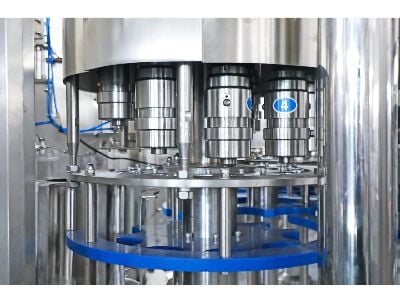
Monobloc fillers can encounter several common problems that  may impact production efficiency. One  issue is inconsistent filling volumes, often caused by improper machine calibration or variations in liquid viscosity. Regularly checking and calibrating the machine can help maintain accuracy and consistency. Additionally, using liquid  level sensors and  flow  meters can enhance filling precision.

Another common problem is capping failures, which may  result from the incorrect alignment of caps or inadequate  sealing. To mitigate this, ensure that the capping mechanism is compatible with the  cap type and that the machine is properly adjusted during setup. Routine maintenance checks and using quality materials for caps can  also prevent these issues.

Finally,  contamination can  occur if the filling environment  is not properly controlled. Implementing a robust cleaning and sanitization protocol, along with utilizing machines  designed  for easy disassembly, can reduce  the  risk of contamination. It is essential to train staff on proper  operating  procedures  to maintain hygiene standards throughout the production process.

Applications of Monobloc Filling in the Beverage and Dairy Industries

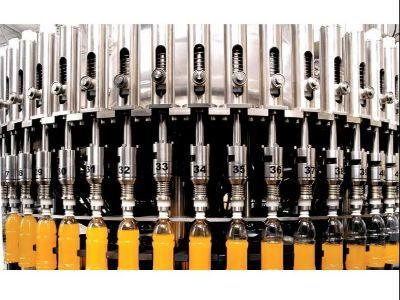
Monobloc filling  machines are widely used in the beverage and dairy industries due to their efficiency and versatility. In the beverage sector, these  machines are ideal  for filling  and capping various products, including water, juices,  soft drinks, and beer. The ability to handle  different bottle sizes and shapes makes them  suitable  for both small and large-scale operations.

In the dairy industry, monobloc fillers are commonly employed for products like  milk, yogurt, and cream. These machines are designed to accommodate specific hygiene standards required in dairy processing,  ensuring  that products are filled and sealed  in a sanitary environment. Additionally, their  ability to integrate labeling and packaging functions helps streamline the overall production process, allowing for  faster turnaround times.

Furthermore, the flexibility of monobloc filling technology allows for  easy adjustments  to accommodate  different  product formulations, enabling manufacturers to respond quickly to market demands  and  consumer preferences.

Understanding Material Advantages in Monobloc Filling Technology

The materials used in monobloc  filling machines play a significant role  in their performance and  longevity. Stainless steel is a common choice for machine construction due to its corrosion resistance, durability, and ease of cleaning. This is particularly important in the  food and beverage industries, where hygiene is paramount.

Additionally, the selection of materials for components such as seals  and gaskets can impact the machine's ability to handle various liquids. For instance,  using food-grade silicone or EPDM materials for seals can enhance compatibility with a wider range of products while maintaining integrity  and preventing leaks.

Moreover, the design of the machine should take into account the conditions it will operate under,  including temperature  variations and exposure to chemicals.  Understanding these material advantages will  enable buyers to choose machines that not only meet their  operational  needs but  also  ensure a longer lifespan and lower maintenance costs.

By considering  these factors when selecting and sourcing monobloc filling machines, B2B  buyers can make informed  decisions that align with their production goals  and industry standards. If you're looking for a comprehensive solution, consider exploring the A to Z Complete Full Automatic Mineral Water Plant Machine Project for a complete setup.

What to Consider When Choosing Monobloc Filling Machines for Your Business

When  selecting a monobloc  filling machine, several factors need to  be considered  to meet  your specific  production requirements.  First, assess the filling volume and speed necessary for your operation. This often depends on your  expected output and  the machine's production capacity,  which can  significantly impact your overall efficiency.

Next, consider the compatibility of the machine with  the type of liquid you will be  filling. Different  liquids—such as viscous substances or carbonated beverages—require  specialized filling technologies. For example, if you are looking for a machine that handles high-speed applications, you might want to consider the 15000BPH Automatic Carbonated Sparkling Water Bottling Machine. Ensure that the machine can handle your product's viscosity, temperature, and carbonation levels.

Additionally, evaluate the machine's customization capabilities. Many manufacturers, like Mars Packing Machinery, offer tailored solutions to fit unique  production  lines. Understanding your specific needs—such as container sizes, shapes, and materials—will  facilitate finding a machine that can adapt to your operational requirements.

Lastly, don't overlook the importance of certifications. Machines with ISO9001 and CE certifications, for instance, indicate  adherence to quality standards and safety regulations, ensuring that your equipment meets industry expectations.

Our Blog Posts

Can Filling Line Optimization: Maximizing Output for Energy Drink Manufacturers

17

Mar

Can Filling Line Optimization: Maximizing Output for Energy Drink Manufacturers

Maximizing Productivity: Throughput for Producers of Energy Drink Efficiency is everything in the production of an energy drink. Everything from the output of the filling machines to quality control is crucial to being successful in North America&rsq...
View More
Water Bottling Line Quality Testing: pH and Microbial Checks for Bottled Spring Water

21

Nov

Water Bottling Line Quality Testing: pH and Microbial Checks for Bottled Spring Water

Bottling water is not just about sticking a bottle under a tap. It’s about ensuring that every bottle shipped from Mars holds safe, fresh spring water in which you can trust. There are two critical checks on the assembly line: testing the pH of the w...
View More
CSD Filling Machine Valve Maintenance: Replacing Seals to Avoid Carbonation Loss

13

Dec

CSD Filling Machine Valve Maintenance: Replacing Seals to Avoid Carbonation Loss

CSD FILLING MACHINES CSD filling machines are the most significant in the beverages industry. They assist in the filling of bottles and cans with carbonated beverages such as soda.  Where to Get The Best Replacement SealsGood aftermarket se...
View More
PET Bottle Blowing Machine Mold Changes: Quick Swap-Outs for Different Bottle Designs

07

Mar

PET Bottle Blowing Machine Mold Changes: Quick Swap-Outs for Different Bottle Designs

Making bottles is really big job! Companies who want make different kinds bottles, they use this machines called PET bottle blowing machines. These pet blowing machine is very important because help produce bottles fast and in various shapes. Bu...
View More

Get a Free Quote

Our representative will contact you soon.
Email
Name
Company Name
Message
0/1000

Related product categories

Get a Free Quote

Our representative will contact you soon.
Email
Name
Company Name
Message
0/1000