Choosing Juice Pouch Filling and Sealing Machines

All Categories

juice pouch filling and sealing machine

Juice pouch  filling and sealing machines are essential  equipment for  beverage manufacturers, enabling efficient  packaging of liquids  in flexible pouches.  B2B  buyers often  prioritize factors such as  equipment reliability, speed, and customization  options when selecting these machines.  This article aims to provide  practical  insights into  choosing  the  right juice pouch  filling and sealing machine,  exploring wholesale opportunities, evaluating quality, installation guidance,  and troubleshooting  common issues.  For those looking into packaging solutions, understanding the role of Packaging Material is also crucial.

Wholesale Opportunities for Juice Pouch Filling Machines

Wholesale opportunities for  juice  pouch filling machines  can vary significantly  based on market demand and production capabilities. Manufacturers often cater to various sectors, including small to medium  enterprises (SMEs) and large-scale industrial operations. Engaging with a reputable supplier can open doors to competitive pricing, especially  for bulk purchases.

Additionally, it’s beneficial to consider collaborations with distributors  who  specialize in beverage machinery.  These partnerships can  enhance market reach and provide valuable insights into regional preferences and compliance  standards,  which  can differ across countries. For instance,  understanding local regulations concerning food  safety and packaging materials can help ensure your products meet necessary guidelines.

Moreover, as consumer trends shift towards  eco-friendly packaging, suppliers that offer machines compatible with  biodegradable or recyclable pouch materials may have a competitive edge. Buyers should investigate suppliers who are proactive in adapting to these trends, ensuring that their equipment aligns  with  sustainability goals.
 

How to Evaluate the Quality of Juice Pouch Filling Equipmen

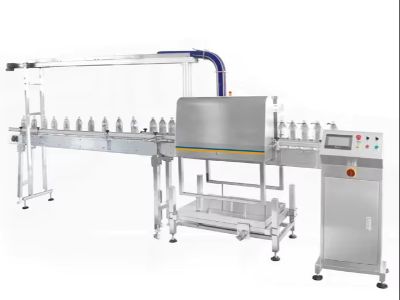
Evaluating the quality of juice pouch filling equipment involves several critical steps. Firstly, inspect the machine's build quality and materials. High-quality machines typically feature stainless steel  construction, which is essential  for hygiene and durability in food processing applications. Ensure that the equipment adheres to international standards,  such as ISO9001 and CE certifications,  as these indicate a  commitment to quality and safety.

Next,  consider the performance of the machine.  Request demonstration videos or arrange for a live demonstration to observe  the filling  accuracy,  speed, and sealing effectiveness.  Pay attention to the machine's  ability to  handle different pouch sizes and types, as well as its ease of cleaning and  maintenance.

Additionally, review customer  testimonials and case  studies from other businesses that  have used the equipment. This firsthand feedback  can provide valuable insights into the machine's reliability and the manufacturer's support services. It’s also advisable to  ask potential suppliers about their quality control processes during manufacturing, as stringent quality checks can  significantly impact the final product's performance.

Installation Guidance for Juice Pouch Filling and Sealing Machines

Proper  installation of juice pouch filling and sealing machines is  crucial for optimal performance.  Begin by ensuring that  the installation site meets the manufacturer's requirements, including adequate space, power supply, and ventilation. It's essential  to have  a dedicated area for the machine  that allows for efficient workflow and maintenance access.

Follow the manufacturer's installation guidelines closely, as they often include specific instructions for aligning the machine components and  connecting utilities. If available, leverage the  expertise of the supplier’s  installation team,  as they  can provide  valuable  insights and ensure that the machine is set up correctly.

After installation, conduct thorough testing to  confirm  that the machine operates as expected. This should include checking the filling volume,  sealing integrity, and overall performance under actual  production conditions. Document any  issues encountered during installation or testing, as addressing these proactively can prevent future  downtimes.

Common Problems with Juice Pouch Fillers and Their Solutions

Juice pouch fillers can encounter various issues that may affect  production efficiency. One common problem is inconsistent  filling volumes, which can arise  from factors such as incorrect  machine calibration or variations in pouch size. To address  this, regularly calibrate the  filling mechanisms and perform  routine checks on the pouches used  to ensure  they meet specified dimensions.

Another frequent issue is sealing failures, which can lead to leaks and compromised product integrity. This can often be traced back to improper temperature settings or inadequate pressure during the sealing process. It’s vital to monitor the sealing  parameters closely and adjust them as needed based on the pouch material and thickness.


Additionally, machine jams can  occur if the pouches are not loaded correctly or if  there is a misalignment  in the feeding mechanism. Regular training for operators on proper loading techniques and routine maintenance checks can significantly  minimize the occurrence of jams.


Lastly, be aware of the wear and tear on consumable parts, such as seals and gaskets. Establish a preventive maintenance schedule to replace worn components  before they lead to larger  operational issues, ensuring uninterrupted production and maintaining product  quality.

By understanding these factors, buyers can make informed decisions  when selecting juice pouch filling and sealing machines, ultimately leading to improved efficiency and product quality in their operations.

What to Consider When Choosing a Juice Pouch Filling and Sealing Machine

When selecting a juice pouch filling and sealing machine,  buyers should  consider several key factors. First, the machine's filling capacity is crucial; it should align with your production volume requirements. Typical machines can handle speeds ranging from 20 to 60 pouches per minute, depending  on design and application.

Next, consider the type  of pouches  you intend to use. Juice pouches come  in  various  materials, such  as PE,  PET, and laminated films, each offering different barrier properties and suitability for specific juice types. For instance, if you're packaging fresh juice, a material with high oxygen barrier properties is essential to extend shelf life.  The choice of materials often relates to the overall Packing Machine used in the line.

Customization options are another vital consideration.  Many manufacturers,  including Mars Packing Machinery,  offer tailored solutions to meet specific production needs, such as varying pouch sizes or filling techniques (like volumetric or gravimetric filling). Ensure the machine can  accommodate your unique requirements and consider the potential for future scalability.

Additionally, evaluate the machine's ease of operation and  maintenance. Look  for user-friendly controls, quick-changeover features for different pouch  sizes, and  accessible components for routine maintenance. Reliable  after-sales support and warranty terms should also be confirmed to ensure long-term operational efficiency.


Our Blog Posts

Complete Bottling Line Training: Teaching Operators to Manage All System Components

20

Nov

Complete Bottling Line Training: Teaching Operators to Manage All System Components

When you think about a bottling line, it’s not just machines doing this work on their own. It’s a full system where all the parts have to row in the same direction smoothly. At Mars, we've learned that it really makes a difference by training operato...
View More
Vietnam Case Study: Building 24,000 BPH Water Plant in 6 Months

22

Nov

Vietnam Case Study: Building 24,000 BPH Water Plant in 6 Months

Constructing a water plant able to produce 24,000 bottles per hour (BPH) is a huge challenge in six months. Finishing on time and with high standards takes careful planning, hard work and thoughtful decisions. The company behind this venture in Vietn...
View More
Sleeve Labeling Machine Material Options: Biodegradable Shrink Sleeves for Eco Brands

16

Jan

Sleeve Labeling Machine Material Options: Biodegradable Shrink Sleeves for Eco Brands

Companies are altering how they package their products. Today, many brands want to be eco-friendly and environmentally friendly. At Mars we know the small things make a big difference.  What Are Biodegradable Shrink SleevesBiodegradable shr...
View More
Shrink Packing Machine Automation: Auto-Feed Systems for Unattended Operation

06

Apr

Shrink Packing Machine Automation: Auto-Feed Systems for Unattended Operation

Shrink packing machines is special tools that wrap products tight with plastic so they stay safe and clean. They get used in lots of industries, such as food, electronics, and health care. Automation in shrink packing mean machines doing the jobs tha...
View More

Get a Free Quote

Our representative will contact you soon.
Email
Name
Company Name
Message
0/1000

Get a Free Quote

Our representative will contact you soon.
Email
Name
Company Name
Message
0/1000