 EN
Shrink wrap packaging machines are essential equipment for efficiently packaging products in various industries, including beverages, dairy, and more. As a purchasing manager or distributor, selecting the right shrink wrap machine involves understanding your specific needs, evaluating technical specifications, and ensuring compatibility with your production line. This article will guide you through the key considerations in choosing a shrink wrap packaging machine, including specifications to look for, how to assess options, and where to find trusted suppliers.
Key Specifications to Consider When Sourcing Shrink Wrap Machines
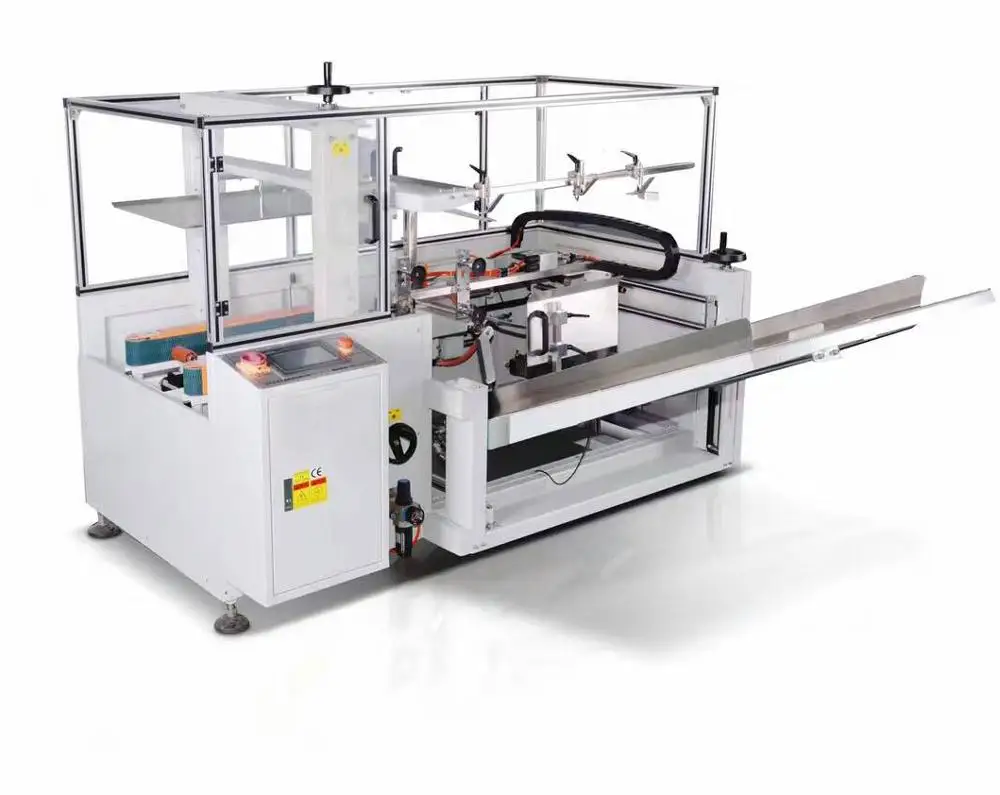
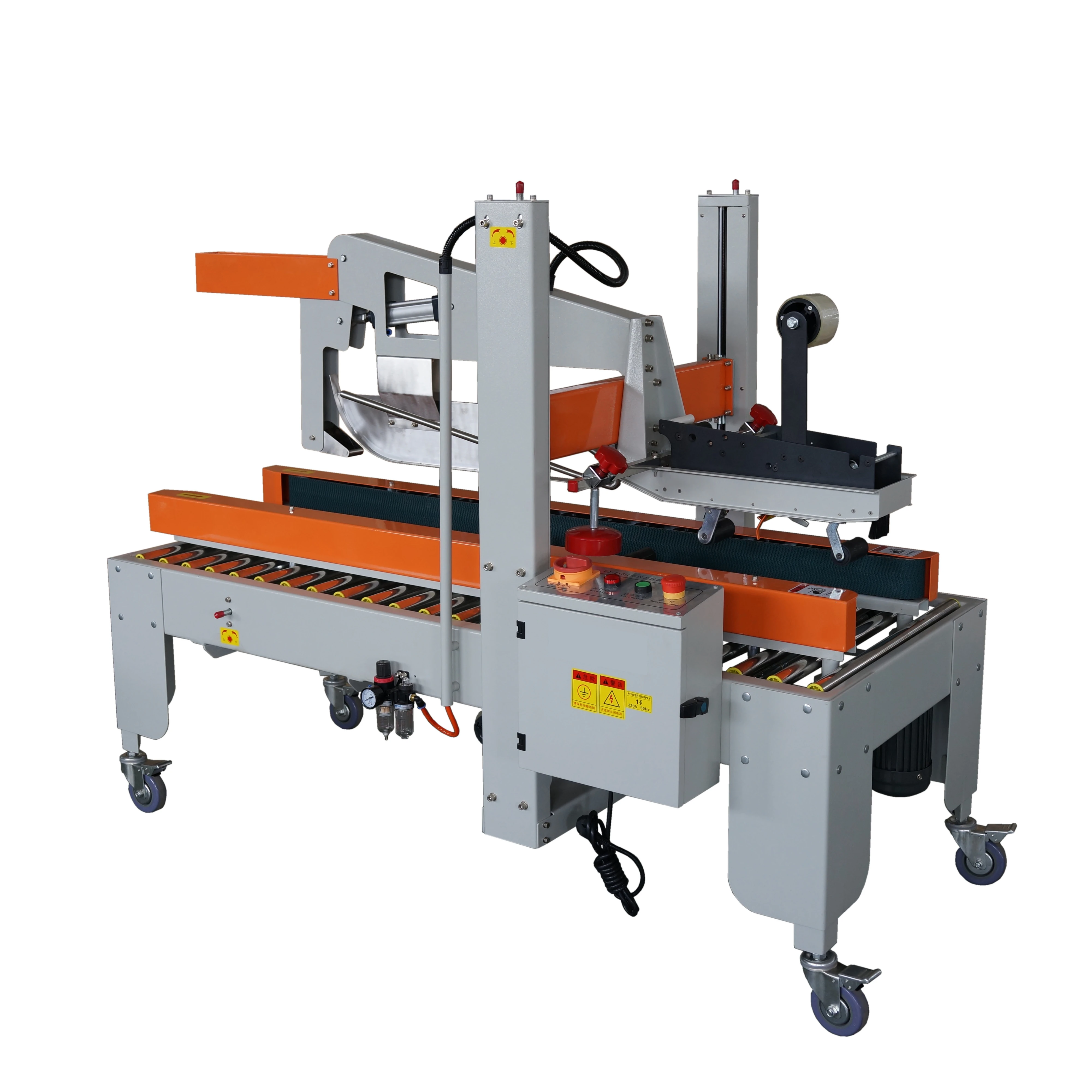
When sourcing shrink wrap packaging machines, several key specifications should be considered to ensure optimal performance:
Machine Type: There are different types of shrink wrap machines, including L-bar sealers, sleeve wrappers, and chamber machines. Each type serves different functions and suits various product sizes and shapes.
Film Compatibility: The type of shrink film used can impact the final product. Common materials include polyethylene (PE) and polyolefin, each offering different levels of clarity, strength, and barrier properties. Ensure the machine you select is compatible with the film you plan to use.
Seal Quality: A reliable seal is critical to prevent leaks and ensure product integrity. Check the auto shrink wrap machine sealing technology, such as band sealers or heat tunnels, to ensure it meets your quality standards.
Speed and Efficiency: Evaluate the machine’s output speed, typically measured in packages per minute. This is particularly important for high-demand environments where efficiency directly impacts profitability.
Dimensions and Footprint: Ensure that the machine fits within your facility’s layout and can accommodate the required workflow. Consider the space needed for operation and maintenance.
Automation Level: Depending on labor availability and production volume, you may prefer a fully automatic machine for high throughput or a semi-automatic one for flexibility and lower investment.
These specifications can significantly affect both the performance and cost-effectiveness of your packaging process, so it's essential to consider them carefully.