Oil Filling Machines: Sourcing, Installation, and Costs

All Categories

oil filling and packing machine

Oil filling and  packing  machines are essential  equipment used in various industries, particularly  for the  efficient and accurate filling of  liquid  products  such as  oils, sauces, and  other viscous materials. For B2B buyers in  sectors  like  manufacturing and distribution, understanding the key aspects of selecting and using these machines can significantly  impact production efficiency and product quality. This article aims to  provide insights  into sourcing, installation challenges, cost  considerations,  applications, and comparisons of oil  filling machines to help you  make informed purchasing decisions.

Common Installation Challenges for Oil Filling Machines and Solutions

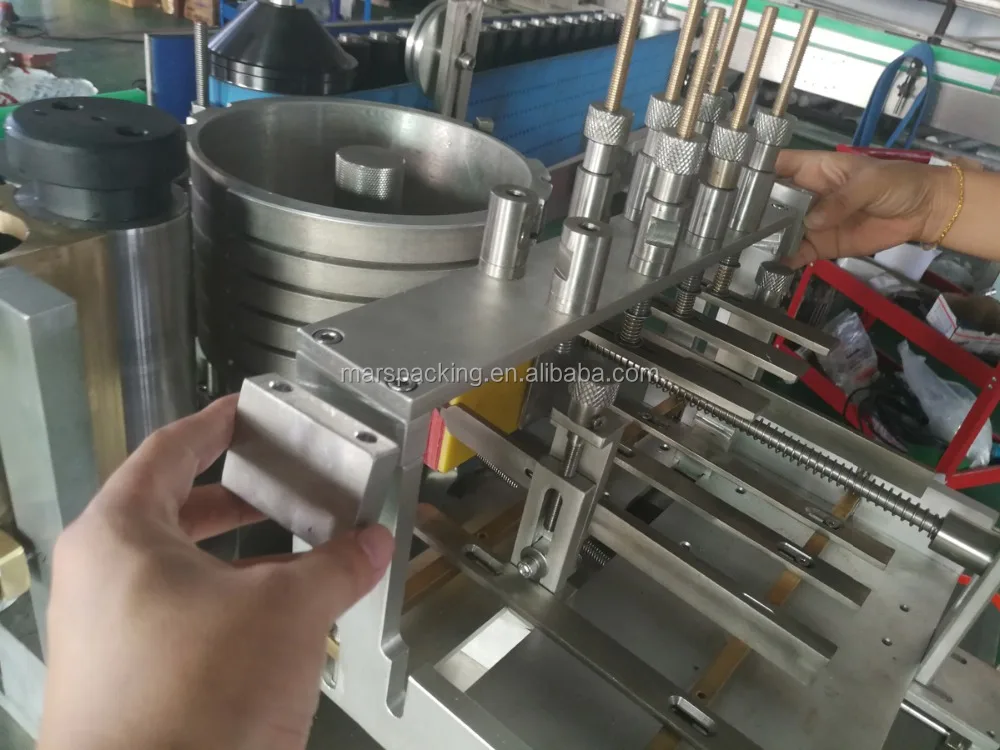
Installing  an oil filling machine can present several challenges, especially in terms of compatibility with existing production lines and space  constraints. One common issue  is misalignment during installation,  which can result  in inconsistent filling and potential product spillage. To mitigate this, ensure that your facility's  layout is assessed before installation, allowing for  proper machine placement and alignment  with conveyor  systems.

Another challenge is  the calibration of the filling system. Incorrect calibration  can  lead to overfilling or underfilling, affecting product quality and compliance. To address this, involve your engineering team during  the installation process to ensure  accurate calibration based on your specific oil viscosity and  packaging requirements. Engaging with the manufacturer's support team for  guidance or  training can  also enhance the installation process  and ensure optimal  performance.
Cost Factors to Consider When Purchasing Oil Packing Machinery

The cost of oil filling machines  can vary widely  depending on several factors, including machine specifications, features,  and customization options. Key cost considerations include:


Machine Type: Different filling technologies (gravity, pressure, vacuum) can influence the price.  For example, vacuum fillers may be more expensive but offer  better precision for viscous oils.

Production  Capacity: Machines designed for high-speed production  will generally cost  more. Assess your production  needs to choose a machine that balances cost and  efficiency.

Customization Needs: If your operation requires  custom features, such as specific filling volumes or unique packaging  types, be prepared for higher costs. Customization can also extend lead times, affecting your overall budget.

Maintenance and Operation Costs: Consider the long-term operational costs,  including  maintenance,  energy consumption, and potential downtime. A more expensive machine may offer lower operational costs in the  long run through efficiency and reliability.

By  carefully evaluating these cost factors,  you can make  a more informed decision that aligns with your budget and operational needs.

Applications of Oil Filling Machines in Various Industries

Oil  filling machines are utilized across  multiple sectors,  including food and beverage, cosmetics, and pharmaceuticals. In food and beverage, these machines  are crucial  for  filling various oil  products, including cooking oils, salad  dressings, and sauces. The accuracy and speed of filling machines help maintain product quality and increase production efficiency.

In the cosmetics industry, oil filling machines  are  used to fill products such as essential oils,  lotions, and  serums. The machines must be compatible with various viscosity levels  and packaging formats, ensuring the right fill for each product.

Pharmaceutical applications also require high precision, with machines  designed to handle  oils and  liquid medications. Compliance with industry regulations is essential in this sector, making it imperative that  the filling machines meet stringent quality control standards.


Understanding the specific applications  of oil filling machines helps  buyers choose the right equipment for their production needs while ensuring compliance with industry standards. Additionally, exploring options like Automatic PET Bottle Drinking Water Bottling Plant Machine can provide insights into various machine capabilities.

Comparing Different Oil Filling Machine Models for Bulk Orders

When  considering bulk orders of oil filling machines, it's essential to compare  different models based on several criteria. Key factors to evaluate include:

Filling Mechanism:  Different models may utilize various filling technologies (e.g., piston, gravity, or pump filling).  Each mechanism has its advantages depending on the viscosity of the oil and the required  precision.


Speed and  Efficiency: Assess the production speed of each model, as this impacts overall throughput. Machines  that  offer higher  speeds  may be more suitable for  larger operations.

Flexibility and  Adaptability: Look for  machines  that can handle a variety of fill  sizes and packaging types. This flexibility can save costs in the long term as your product range evolves.

Ease of Maintenance: Choose models that are designed for easy maintenance, with accessible parts and  clear documentation. This consideration helps minimize downtime and ensures longevity.

Cost-Effectiveness: Analyze total cost implications, including initial investment, maintenance, and operational costs, to determine the most cost-effective model for your business.

By conducting a thorough comparison, you can select the right oil filling machine model that not only meets your current production needs but also supports future growth.  

Understanding the intricacies of oil filling and packing machines empowers B2B buyers to make informed decisions. From sourcing and installation to cost considerations and applications,  this knowledge  is vital for optimizing production processes and ensuring  product quality.

Where to Source Wholesale Oil Filling Machines for Your Business

When sourcing oil filling machines,  it’s crucial to  identify reliable manufacturers  who specialize in this field.  Look for companies with a proven track record in the industry,  such as A to Z Complete Full Automatic Mineral Water Plant Machine Project, which has been  designing and manufacturing liquid filling machines  since 2010. Consider suppliers with certifications like ISO9001 and CE, as  these indicate  adherence to quality standards.

Explore both domestic and  international suppliers. While  local manufacturers  can reduce shipping costs and lead times, international suppliers may offer  competitive  pricing and advanced technology. It's also beneficial  to assess suppliers based on their ability to provide customized solutions tailored  to your specific requirements. Requesting samples  or visiting  factories  can help evaluate their manufacturing capabilities, ensuring that the machines align with your operational needs.

Our Blog Posts

From Raw Water to Bottling: Water Treatment Tech Breakdown

16

Nov

From Raw Water to Bottling: Water Treatment Tech Breakdown

Water is everywhere, but making raw water into clean bottled water is a big job. At Mars, we know it’s not enough to just fill bottles from a river or well. Water needs to jumps through plenty of hoops to become safe and delicious. There’s a lot of t...
View More
Complete Bottling Line Training: Teaching Operators to Manage All System Components

20

Nov

Complete Bottling Line Training: Teaching Operators to Manage All System Components

When you think about a bottling line, it’s not just machines doing this work on their own. It’s a full system where all the parts have to row in the same direction smoothly. At Mars, we've learned that it really makes a difference by training operato...
View More
Wet Glue Labeling Machine Speed Control: Adjusting for Different Label Sizes

01

Apr

Wet Glue Labeling Machine Speed Control: Adjusting for Different Label Sizes

Wet glue labeling machines is used in factories for putting labels on products fast and good. They works well for various kinds of labels, but they can have some troubles, specially with speed control. When labels size change, the machine speed need ...
View More
High Speed Packing Machine Advantages for Mass Bottle Production

17

Jun

High Speed Packing Machine Advantages for Mass Bottle Production

High-speed packing machines are great tools that help factories pack bottles quickly and efficiently. When producing big numbers of bottles, these machines become a big deal. The filling and packing machine save time and money, making it easier ...
View More

Get a Free Quote

Our representative will contact you soon.
Email
Name
Company Name
Message
0/1000

Get a Free Quote

Our representative will contact you soon.
Email
Name
Company Name
Message
0/1000