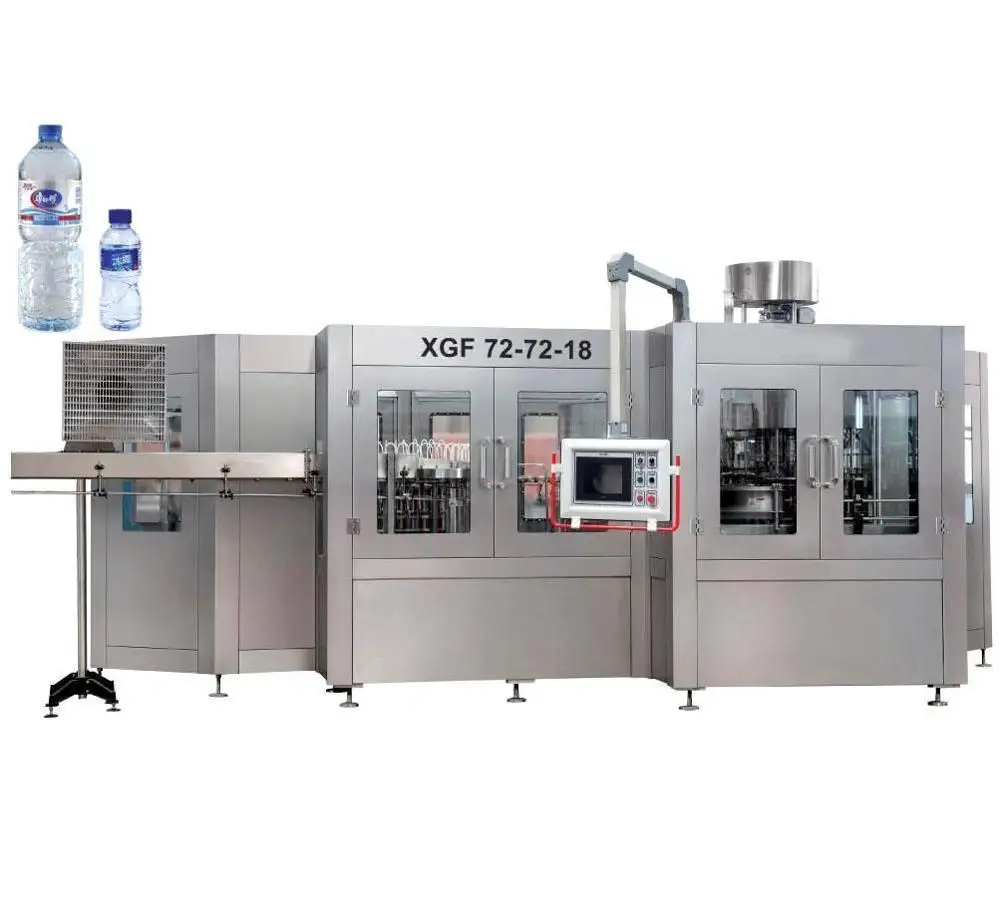
Lubricant Oil Packing Machines: Key Factors & Solutions

All Categories

lubricant oil packing machine

In the industrial landscape, lubricant oil packing machines play a critical role in optimizing  the efficiency and  accuracy  of packing operations. These specialized machines are designed to fill, seal, and package lubricant  oil  in various container types, ensuring that products maintain their  integrity  during storage  and transportation. As a B2B buyer, your primary concerns  likely  revolve around the machine's compatibility with your  production needs, cost-effectiveness,  and  the reliability  of  the supplier. This  article  aims to  provide you with essential insights into selecting the right lubricant oil packing machine,  addressing common challenges, and understanding  the factors that influence purchasing decisions.

Bulk Order Benefits for Lubricant Oil Packing Machines Explained

Purchasing lubricant oil packing machines in bulk can  offer significant advantages for businesses looking to  enhance  their packaging operations. One of the primary benefits is  cost savings. Suppliers often provide discounts for  large orders, which can reduce your overall expenditure. This is particularly  relevant for  companies anticipating  high  production volumes or expanding their packaging lines.

Additionally, ordering in bulk can streamline your supply chain. With a larger inventory of  packing machines, you can avoid delays caused by low stock levels and ensure  consistent production output. This  can be essential for maintaining customer satisfaction, especially in industries with high demand for lubricant  products.

It’s also worth noting that bulk  orders may allow for enhanced customization options. Suppliers may  be more willing  to accommodate specific  requests or modifications when  fulfilling larger orders, ensuring that the machines meet  your unique  operational requirements.
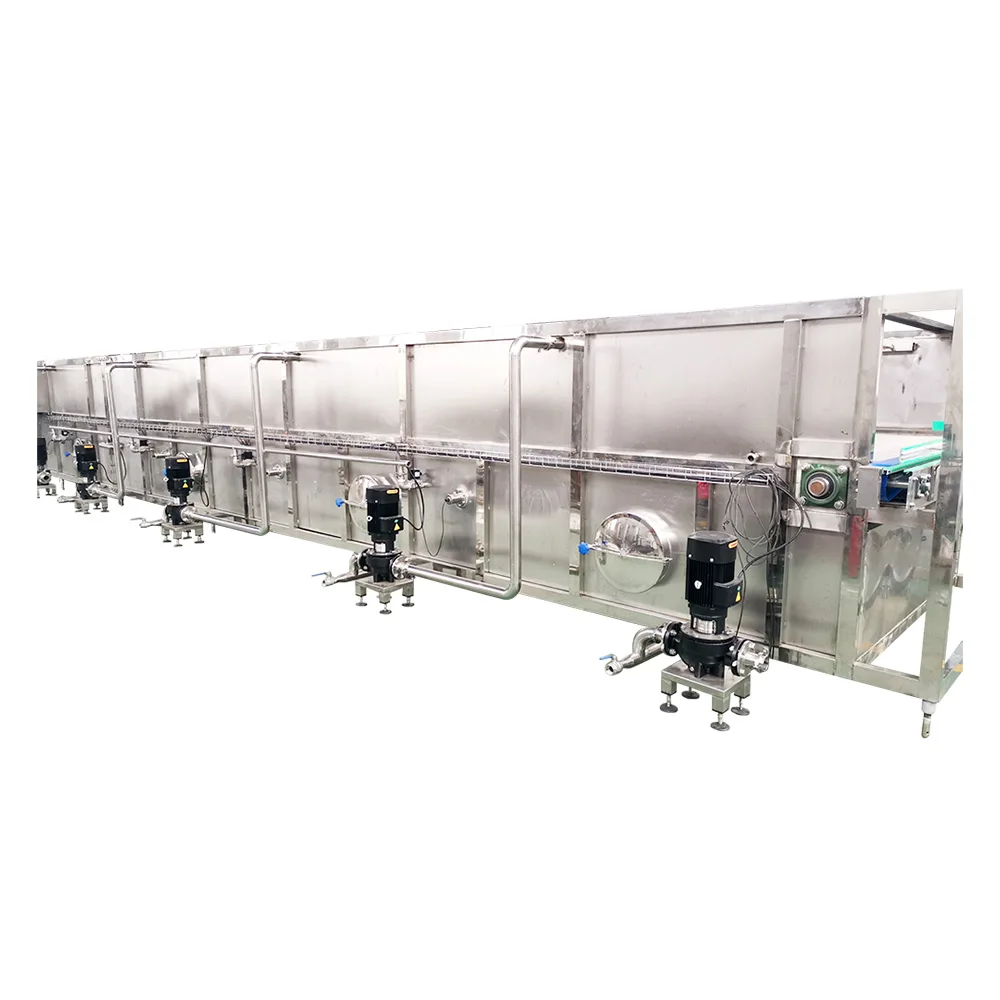
Where to Source High-Quality Lubricant Oil Packing Machines

Finding a reliable source for high-quality lubricant oil  packing machines involves careful research and evaluation.  Start by considering manufacturers  with a proven track record in the industry, such as  Mars  Packing  Machinery,  which specializes in liquid filling and packing machines and has  experience serving clients in over  40 countries.

Look for suppliers that hold relevant certifications, such as  ISO9001 and CE, which  indicate adherence to quality management standards and safety regulations. These certifications can provide assurance  that the machines meet international quality criteria, which is crucial for maintaining operational efficiency and compliance.

Additionally, consider the supplier's reputation and  customer reviews. Engaging with existing customers or seeking case  studies can  provide valuable insights into  the supplier's reliability, support services, and machine performance.  If possible, visit suppliers'  facilities to  inspect their manufacturing processes and quality control measures firsthand.

&nbsp

Common Problems with Lubricant Oil Packing Machines and Solutions

Despite their  efficiency, lubricant oil packing machines can encounter various issues  that may disrupt operations. One common problem is leakage during the filling process, which can lead to product waste and contamination. To mitigate this risk,  ensure that  the  machine is fitted with high-quality seals  and gaskets that are compatible with the lubricant oils being processed. Regular maintenance and inspections can also help identify potential wear and  tear  before they become significant issues.

Another  frequent challenge is the  machine's  calibration.  If the filling volume is  not accurately calibrated, it can result in overfilling  or  underfilling, affecting product quality and compliance. It is advisable to implement a regular calibration schedule and engage with  the  supplier for guidance on  proper calibration techniques.

Additionally, consider the operating environment. Factors such as temperature fluctuations and humidity levels can impact  machine performance. Ensure that the packing machine is designed to withstand the specific conditions of your production  facility to maintain consistent operation.

Cost Factors to Evaluate When Purchasing Lubricant Oil Packing Machines

Understanding the various cost factors associated with purchasing lubricant oil packing machines is crucial for budget planning and investment justification. The initial cost of the machine is a significant consideration, but it is essential to look  beyond the sticker price. Evaluate the  total cost of  ownership, which includes maintenance, operational costs, and potential downtime.

Customization options can  also impact the price. While tailored solutions may  require a  higher initial investment, they can lead to increased efficiency and reduced operational costs in the long run. Discussing your specific needs with the manufacturer can help you understand the cost implications of customization.

Additionally, consider the machine's energy efficiency. Machines that consume less power can lead to significant savings over time, making them a more cost-effective choice in  the  long run. Request energy consumption specifications from suppliers  to compare different  models effectively.

Lastly, factor in potential  training and installation costs. Adequate training for your staff will  ensure that the machine is used correctly and efficiently, reducing the risk  of operational issues.

By thoroughly evaluating  these factors and engaging  with experienced manufacturers  like Mars Packing  Machinery, you can  make  an informed purchasing decision that aligns with your operational needs and budget constraints.


Key Factors for Your Lubricant Oil Packing Needs

When selecting a lubricant oil packing  machine, consider several key factors that can significantly impact your packaging process. First, the machine's compatibility with different container  sizes and types—such as bottles, drums, or pails—is essential. Ensure that the machine can handle the specific  dimensions and materials of your packaging to avoid delays or errors during production. Additionally, the choice of packaging material is crucial for maintaining product quality and safety.

Another important consideration is the filling mechanism. Different  types of lubricant oils may require specific filling technologies,  such as  volumetric or gravimetric  filling systems,  to ensure  precise measurements and minimize  waste. Additionally,  evaluate  the machine's speed and efficiency, as these will directly affect your production output and operational costs.


Customization capabilities  are also vital for meeting  your unique packaging  requirements. Many manufacturers, including  Mars Packing Machinery, offer tailored  solutions that can  adapt to your specific needs, such as custom filling volumes or automated labeling systems. Engaging with your  supplier early in the process can help ensure that the final solution aligns with your production goals. For instance, integrating a labeling machine into your system can enhance the efficiency of your packaging line.

Our Blog Posts

From Raw Water to Bottling: Water Treatment Tech Breakdown

16

Nov

From Raw Water to Bottling: Water Treatment Tech Breakdown

Water is everywhere, but making raw water into clean bottled water is a big job. At Mars, we know it’s not enough to just fill bottles from a river or well. Water needs to jumps through plenty of hoops to become safe and delicious. There’s a lot of t...
View More
Complete Bottling Line Training: Teaching Operators to Manage All System Components

20

Nov

Complete Bottling Line Training: Teaching Operators to Manage All System Components

When you think about a bottling line, it’s not just machines doing this work on their own. It’s a full system where all the parts have to row in the same direction smoothly. At Mars, we've learned that it really makes a difference by training operato...
View More
Beer Filling Machine Line Cleaning: Scheduling CIP Cycles to Avoid Cross-Contamination

09

Mar

Beer Filling Machine Line Cleaning: Scheduling CIP Cycles to Avoid Cross-Contamination

Keeping beer filling machines clean is super important. When we talking about cleaning, we often say CIP, or Clean-In-Place. This mean you clean the machines without take them apart, right there where they stand. If you schedule these CIP cycles good...
View More
Cost Saving Ways to Use PET Bottle Blowing Machine In-house

22

Jun

Cost Saving Ways to Use PET Bottle Blowing Machine In-house

Producing your own plastic bottles in-house with a PET bottle blowing machine from Mars is a smart way to reduce manufacturing costs. Instead of paying another company to manufacture bottles and ship them to your facility, you can handle the entire p...
View More

Get a Free Quote

Our representative will contact you soon.
Email
Name
Company Name
Message
0/1000

Related product categories

Get a Free Quote

Our representative will contact you soon.
Email
Name
Company Name
Message
0/1000