
Cooling Tunnel Price: Key Factors and Features

All Categories

Cooling tunnel price

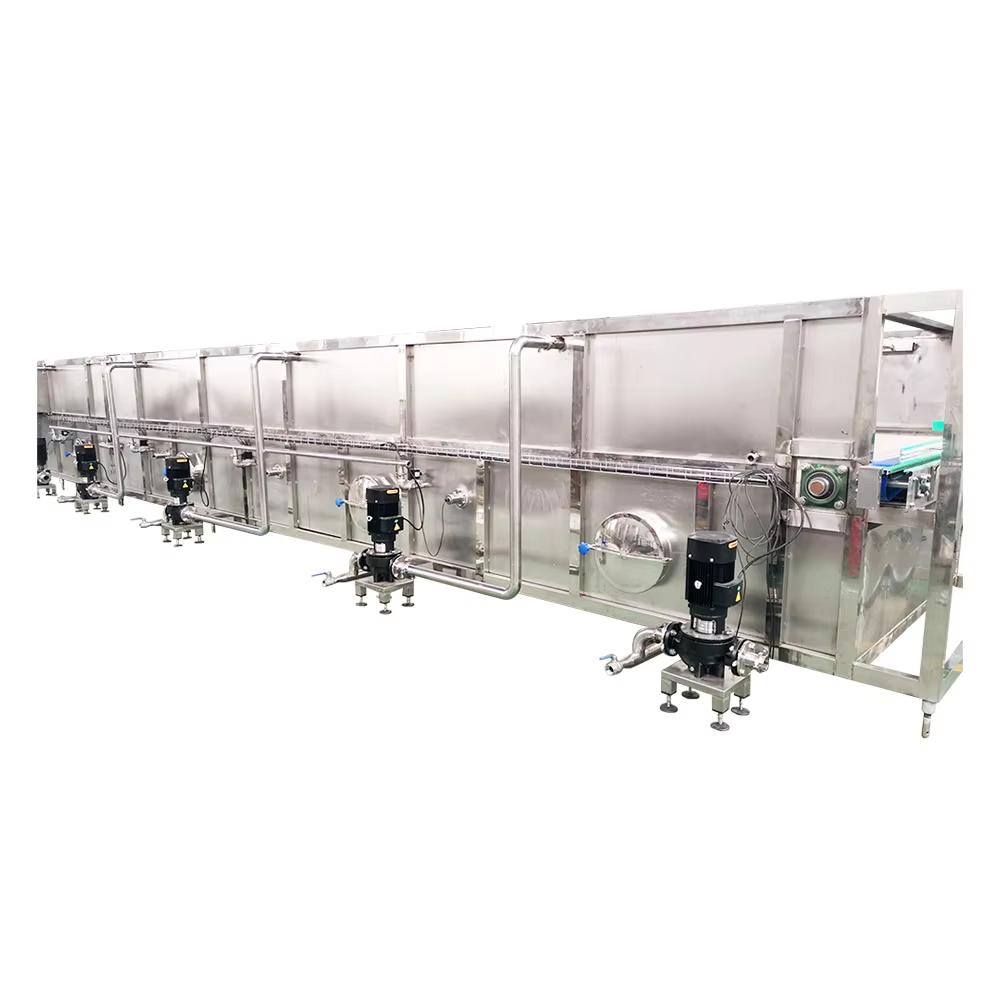
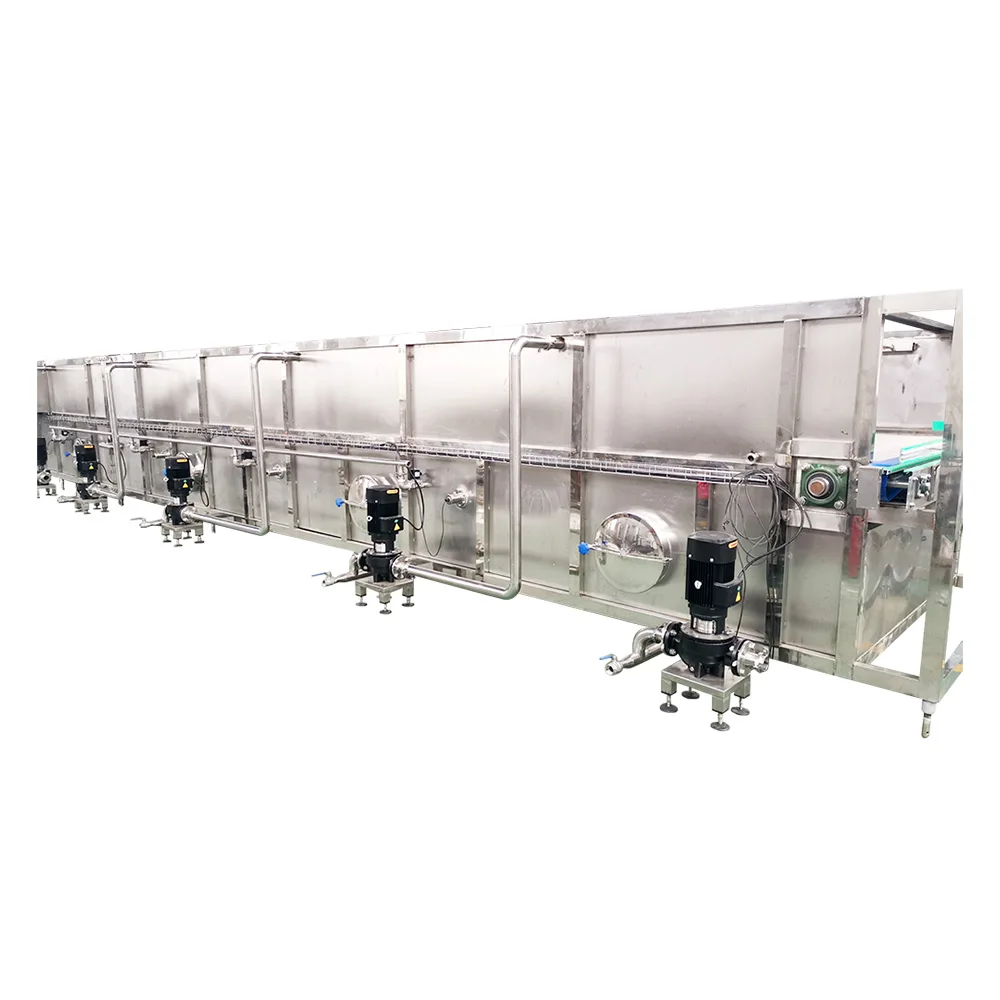
Cooling tunnels are essential equipment in the beverage and dairy industries, designed to rapidly reduce the temperature of products after filling and before packaging. Understanding the cooling tunnel price is crucial for wholesale buyers as it directly impacts their budget and production efficiency. This article addresses key concerns such as cost factors, essential key features, common operational issues, and various applications of cooling tunnels, providing valuable insights for purchasing managers and engineers evaluating their options.
Our Products

Key Features for Optimal Performance

To achieve optimal performance, cooling tunnels should be equipped with several key features. Effective insulation is critical to minimize energy losses, which can directly translate to cost savings. Buyers should look for tunnels with high R-value insulation to maintain consistent temperatures inside the unit. 

Temperature control systems are another vital component. Advanced models come with digital controls that allow for precise temperature adjustments and monitoring, ensuring that products are cooled uniformly. This feature is particularly important in applications where product integrity is paramount, such as in dairy processing. 

Airflow design is also crucial. A tunnel with adjustable airflow options can enhance cooling efficiency by allowing for better distribution of cold air. This is especially important for products with varying shapes and sizes, such as bottles and cans. 

Lastly, ease of maintenance should not be overlooked. Buyers should inquire about access points for cleaning and servicing, as well as the availability of replacement parts, to ensure long-term operational efficiency. 
Common Problems with Cooling Tunnels and Their Solutions

Despite their importance, cooling tunnels can encounter several common issues that may hinder performance. One frequent problem is uneven cooling, which can lead to product quality issues. This can often be resolved by adjusting airflow settings or ensuring that the tunnel is not overloaded beyond its capacity. 

Another issue is condensation buildup, which can occur if the cooling bottle shrink tunnel machine is not properly insulated or if the temperature differential between the product and the ambient environment is too great. To mitigate this, buyers should ensure that the cooling tunnel has sufficient insulation and consider using dehumidification systems in high-humidity environments. 

Maintenance challenges can also arise, particularly if the cooling system relies on water. Regular inspections and cleaning of the cooling coils are necessary to prevent scaling and ensure optimal heat exchange. Buyers should develop a maintenance schedule based on the manufacturer's recommendations to avoid performance degradation. 

A Step-by-Step Approach

When considering a cooling tunnel purchase, a systematic approach can help streamline the evaluation process. Start by assessing your production needs, including the expected throughput and types of products to be cooled. This information will guide your selection of the appropriate tunnel size and design. 

Next, gather specifications from multiple suppliers, focusing on key features such as insulation, temperature control, and airflow design. Request detailed quotes that outline pricing, lead times, key features and warranty terms. 

Once you have narrowed down your options, consider asking for product demonstrations or, if possible, visiting existing installations. This firsthand experience can provide valuable insights into the tunnel's performance and suitability for your application. 

Finally, consult with your engineering and maintenance teams to discuss installation requirements and long-term operational considerations. This collaborative approach will ensure that all aspects of the cooling tunnel are aligned with your production objectives. 

Applications of Cooling Tunnels in Beverage and Dairy Industries

Cooling tunnels play a vital role in both the beverage and dairy industries, ensuring product quality and safety. In the beverage sector, these systems are commonly used to cool bottled water, soft drinks, and beer immediately after filling. Rapid cooling helps to preserve carbonation and prevent off-flavors, which can arise from prolonged exposure to elevated temperatures. 

In the dairy industry, cooling Tunnel Pasteurizer are essential for products like milk and yogurt. They help maintain the integrity and freshness of these perishable items by rapidly bringing them to safe storage temperatures. Proper cooling also extends shelf life and maintains nutritional quality. 

Additionally, cooling tunnels can be customized for specific applications, such as handling different bottle sizes or integrating with automated packaging lines. This versatility makes them an indispensable asset for manufacturers looking to optimize their production processes while ensuring compliance with safety and quality standards. 

By understanding the intricacies of cooling tunnel price, features, common issues, and applications, buyers can make informed decisions that enhance their operational efficiency and product quality. 

Understanding the Cost Factors of Cooling Tunnels for Wholesale Buyers

When assessing the cooling tunnel price, several factors come into play. The initial cost is influenced by the size and capacity of the tunnel, which should align with production volumes. For instance, a larger tunnel designed for high throughput will generally command a higher cooling tunnel price due to its advanced engineering and materials. 

Material selection also affects cooling tunnel price. High-quality stainless steel, commonly used for its corrosion resistance and durability, may increase costs compared to lower-grade materials. Additionally, the complexity of the cooling system whether it employs air, water, or refrigerants can significantly impact the overall cost. More sophisticated systems, while potentially more expensive upfront, can offer energy savings and increased efficiency over time. 

Customization options, such as integration with existing production lines or tailored dimensions, will also affect the cooling tunnel price. Buyers should prepare to discuss their specific requirements during the quotation process to ensure an accurate estimate. 

Frequently Asked Questions

What is a cooling tunnel and how does it work?

A cooling tunnel rapidly reduces product temperature after filling or sealing using controlled airflow and chilled water or refrigerant. It stabilizes packaging and product quality for beverages, dairy, and beer lines.
Price depends on length, cooling capacity, airflow design, conveyor speed, materials, automation level, and optional features like PLC controls or sanitation options.
Yes. Our in-house engineering team designs customized tunnels to meet throughput, footprint, and temperature requirements, with pre-sales consultation and installation support.
Our factory holds ISO9001 and CE certifications. We follow quality control procedures and provide documentation to ensure reliability and regulatory compliance.
We offer installation guidance, commissioning support, operator training, spare parts sourcing, and remote or on-site troubleshooting to ensure smooth operation.

Our Blog Posts

From Raw Water to Bottling: Water Treatment Tech Breakdown

16

Nov

From Raw Water to Bottling: Water Treatment Tech Breakdown

Water is everywhere, but making raw water into clean bottled water is a big job. At Mars, we know it’s not enough to just fill bottles from a river or well. Water needs to jumps through plenty of hoops to become safe and delicious. There’s a lot of t...
View More
Shrink Packing Machine Film Thickness: Choosing the Right Gauge for Light vs. Heavy Bottles

15

Jan

Shrink Packing Machine Film Thickness: Choosing the Right Gauge for Light vs. Heavy Bottles

When packaging bottles the right thickness of shrink film is very important. The thickness of the film can make a significant difference, and different bottles want different kinds of care. Mars knows that for lightweight bottles, you want something ...
View More
Packing Machine Space Saving: Compact Designs for Small Bottling Facilities

01

Apr

Packing Machine Space Saving: Compact Designs for Small Bottling Facilities

Packing machines is essential for filling and sealing bottles in small bottling places. Many businesses want to save space, so compact packing machines are a good fix. These machines are designed to fit in tight spots while still powerful enough to h...
View More
Water Bottling Line Packaging Innovation: Eco-Friendly Cartons Instead of Plastic Wraps

21

Apr

Water Bottling Line Packaging Innovation: Eco-Friendly Cartons Instead of Plastic Wraps

Mars excited to share new ideas about how we package water bottles. Instead of plastic wraps, we introducing eco-friendly cartons. This change is important for our planet and it helps reduce waste. Our new cartons made from materials that break down ...
View More

Get a Free Quote

Our representative will contact you soon.
Email
Name
Company Name
Message
0/1000

Get a Free Quote

Our representative will contact you soon.
Email
Name
Company Name
Message
0/1000