
 EN
Mars' Blow molding is a critical manufacturing process that produces hollow plastic parts, commonly used in packaging solutions across various industries. For businesses in the beverage, dairy, and other liquid sectors, selecting an appropriate blow molder is essential to ensure efficiency, production capacity, quality, material compatability, and cost-effectiveness. This article will delve into the key considerations and specifications involved in choosing a blow molder, helping you make informed purchasing decisions

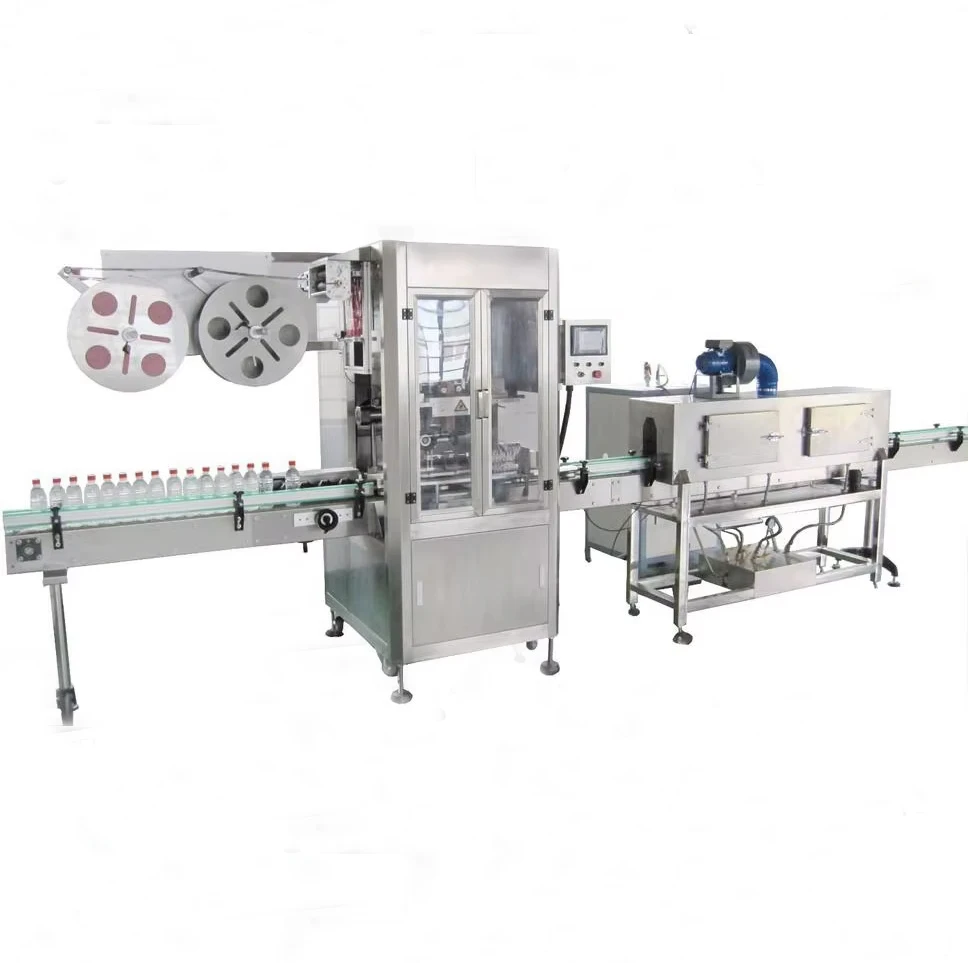


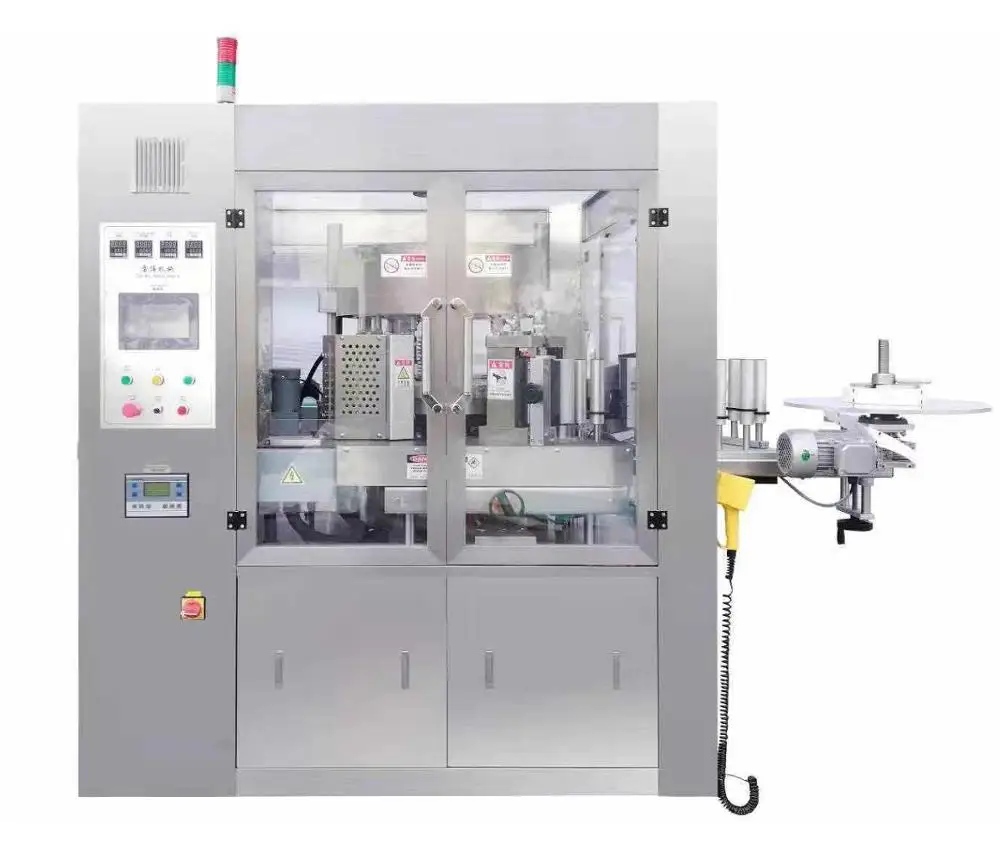
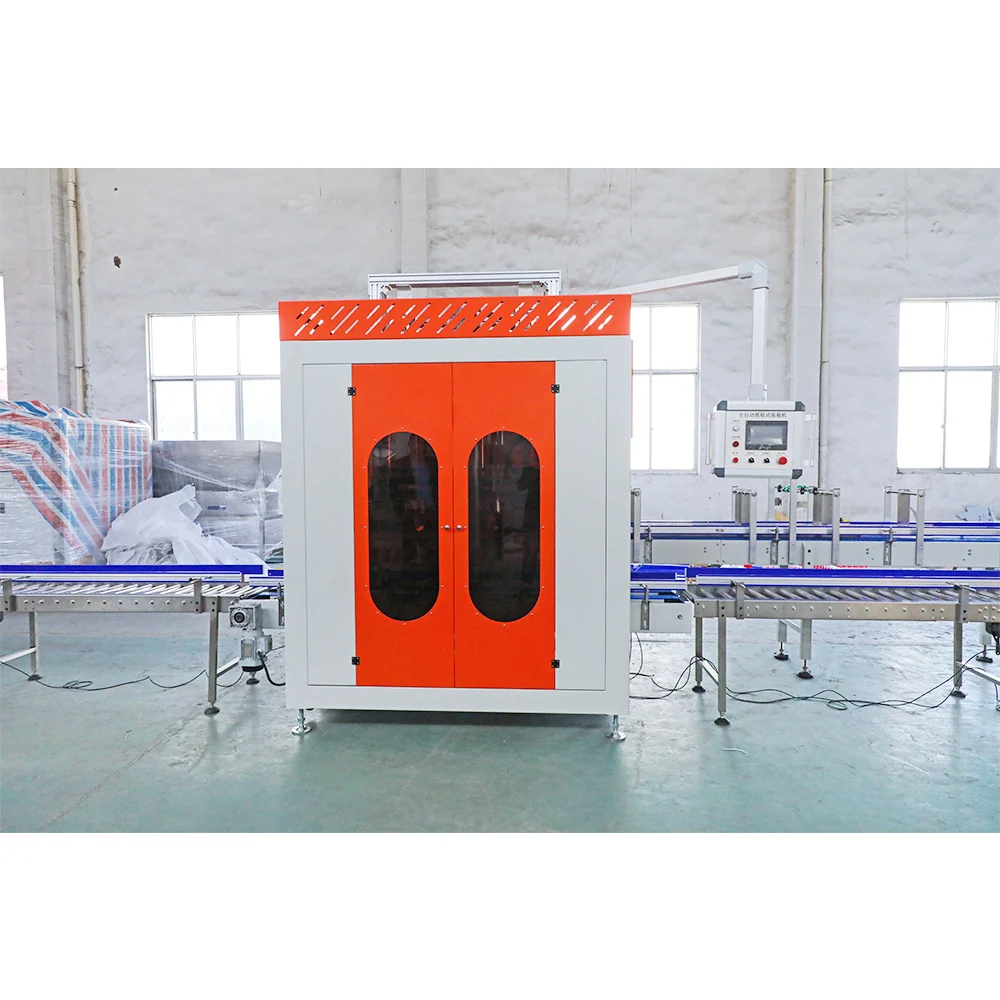
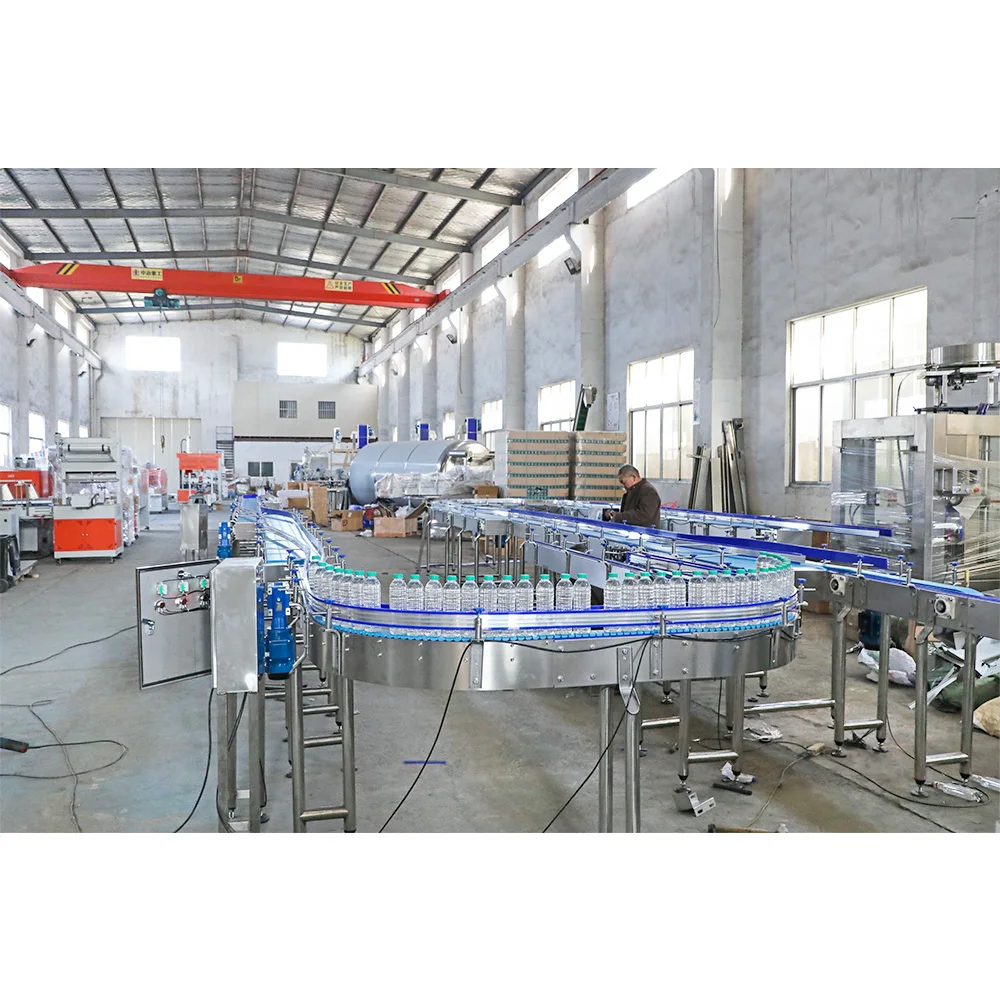
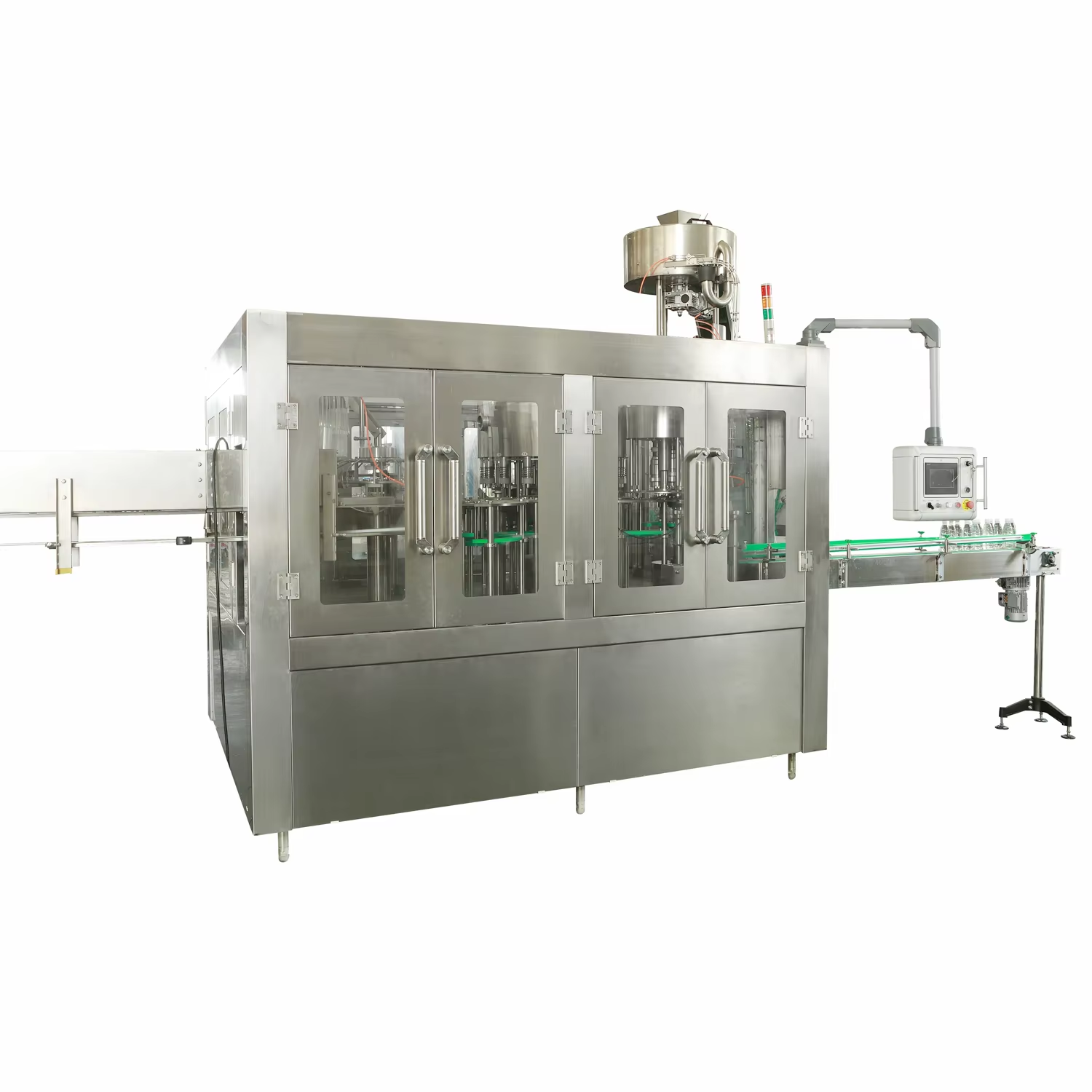
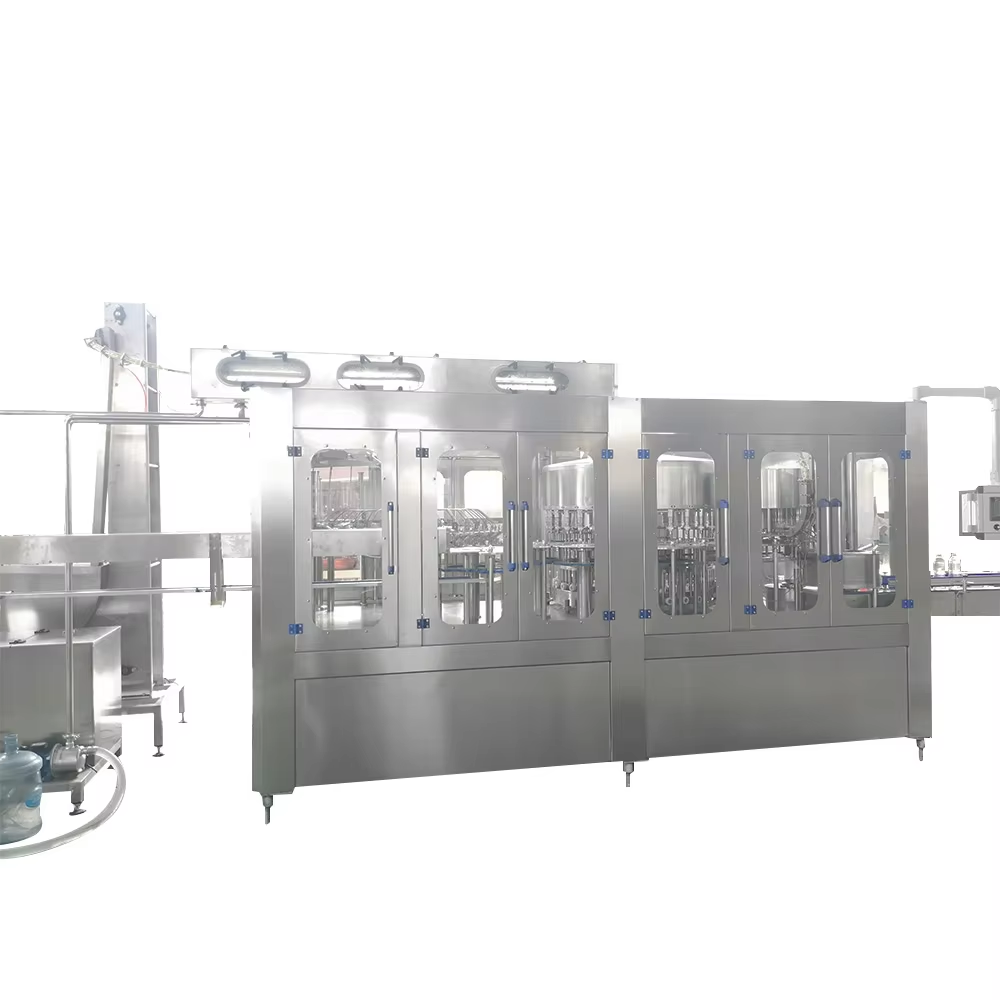
Key Specifications to Compare in Blow Molder Machines
When comparing blow molder machines an, focus on several specifications that directly impact production capacity, material compatability, efficiency and product quality:
Machine Type: There are two main types of blow molding machines—extrusion and injection. Extrusion blow molding is typically used for larger containers, while injection blow molding is better suited for smaller, more complex shapes
Mold Design: The mold design affects the final product's accuracy and surface finish. Look for machines that offer flexibility in mold design to accommodate different product lines
Production Rate: This specification indicates the number of units produced per hour. It's essential to match this rate with your operational needs
Material Compatibility: Ensure the blow molder can handle the specific types of resin you plan to use, whether it’s PET, HDPE, or other materials
Energy Efficiency: Energy consumption is a critical cost factor. Choose machines with energy-efficient designs to reduce operational costs over time
Safety Features: Evaluate the safety mechanisms in place, such as emergency shut-offs and protective guards, ensuring they meet industry standards