 EN
Liquid filling equipment is essential for various industries, including beverages, dairy, and pharmaceuticals, where precise and efficient filling is crucial for product integrity and operational efficiency. As a purchasing manager or engineer, understanding the specifications, common issues, and best practices for installation can help you make informed decisions when selecting Mars filling machine for liquids. This article will provide insights into key considerations related to liquid filling equipment, ensuring you are well-equipped to evaluate options and implement solutions that meet your specific needs.

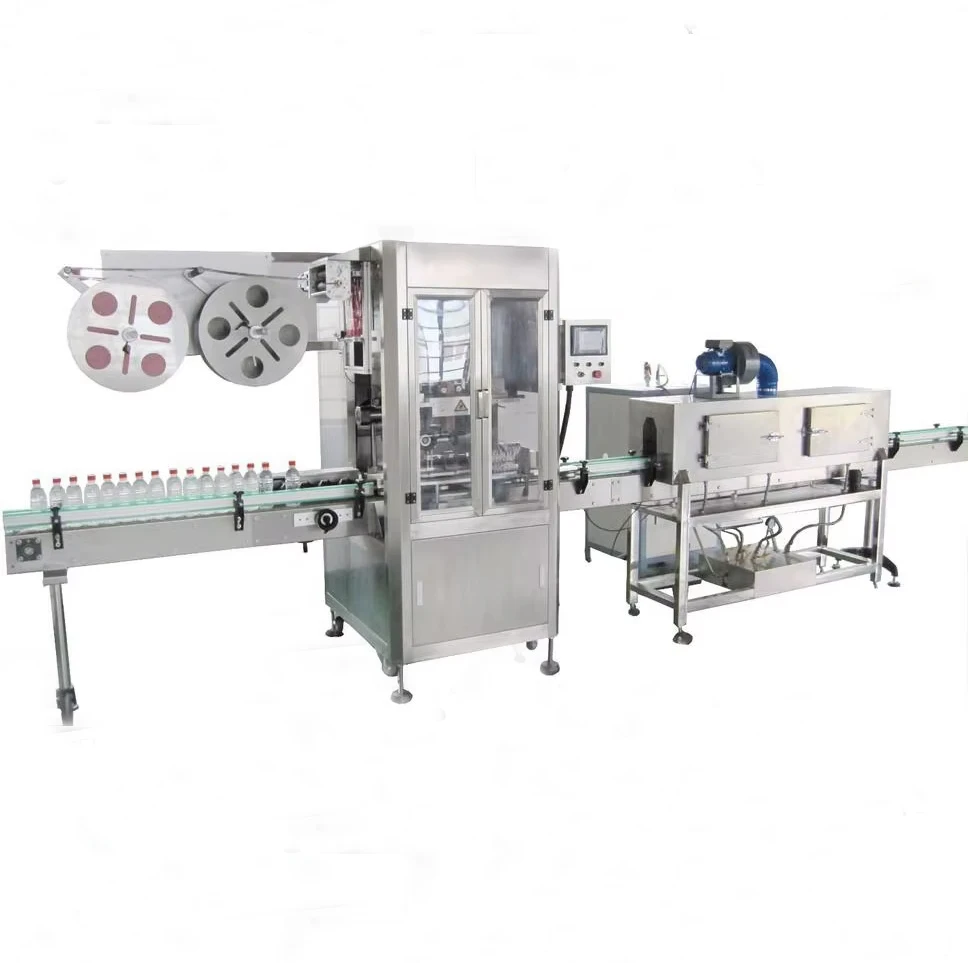


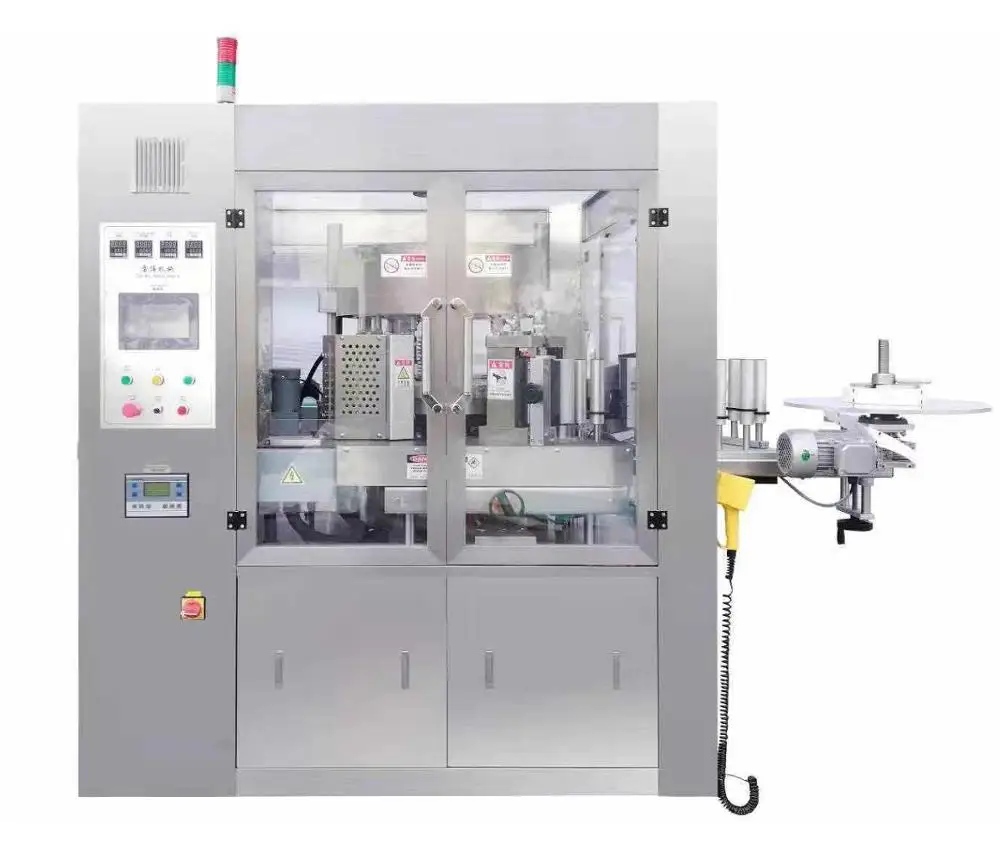
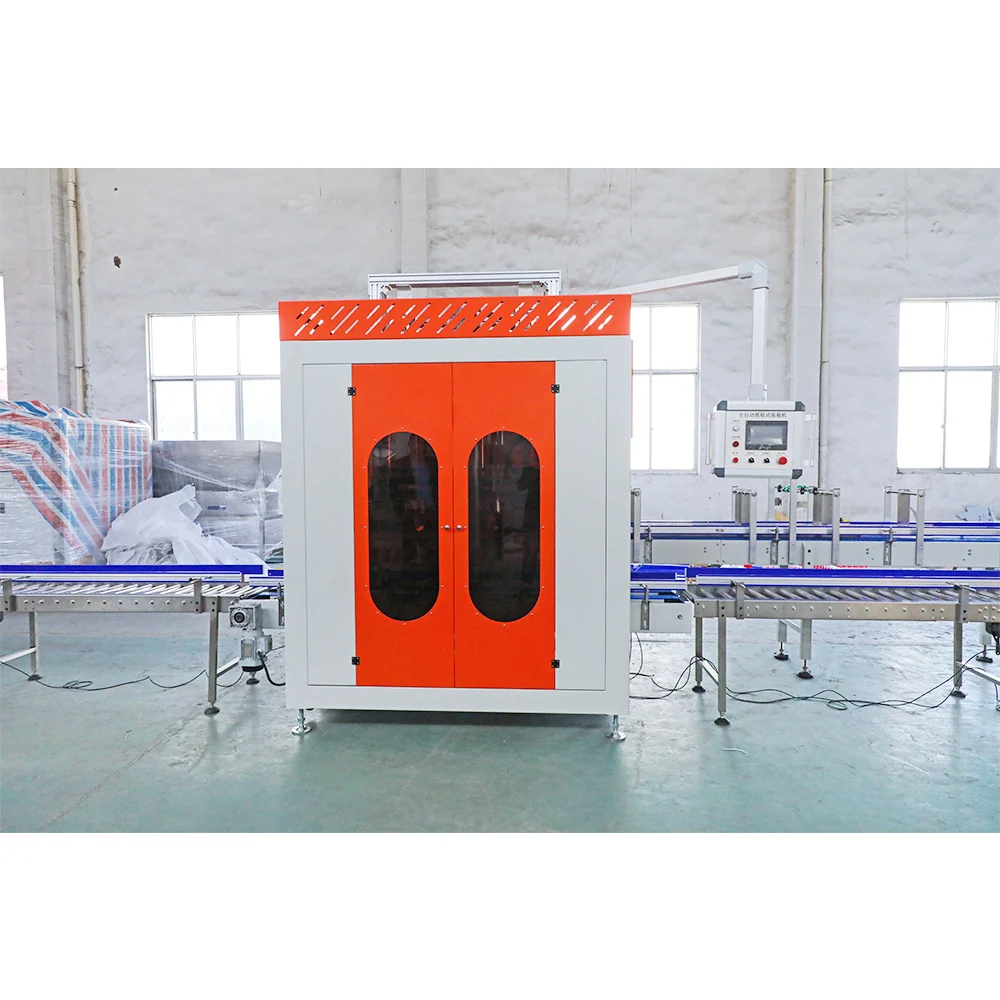
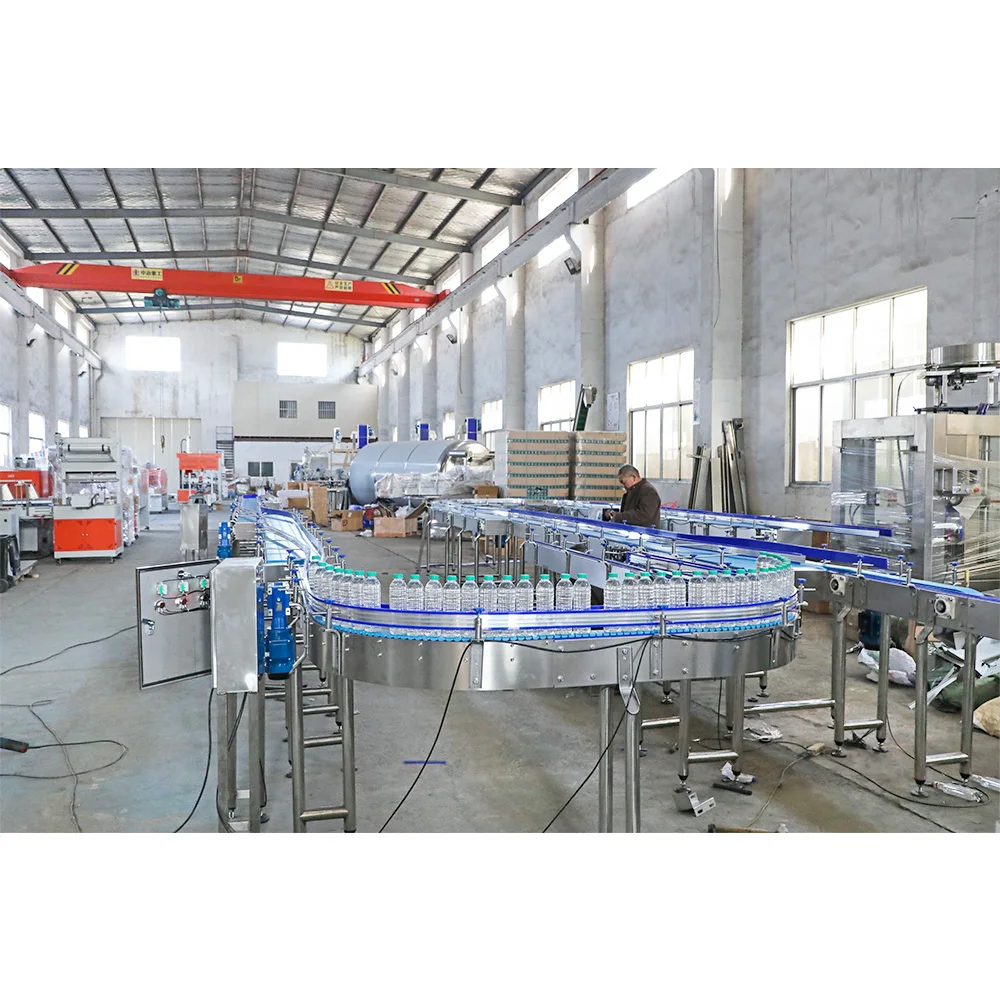
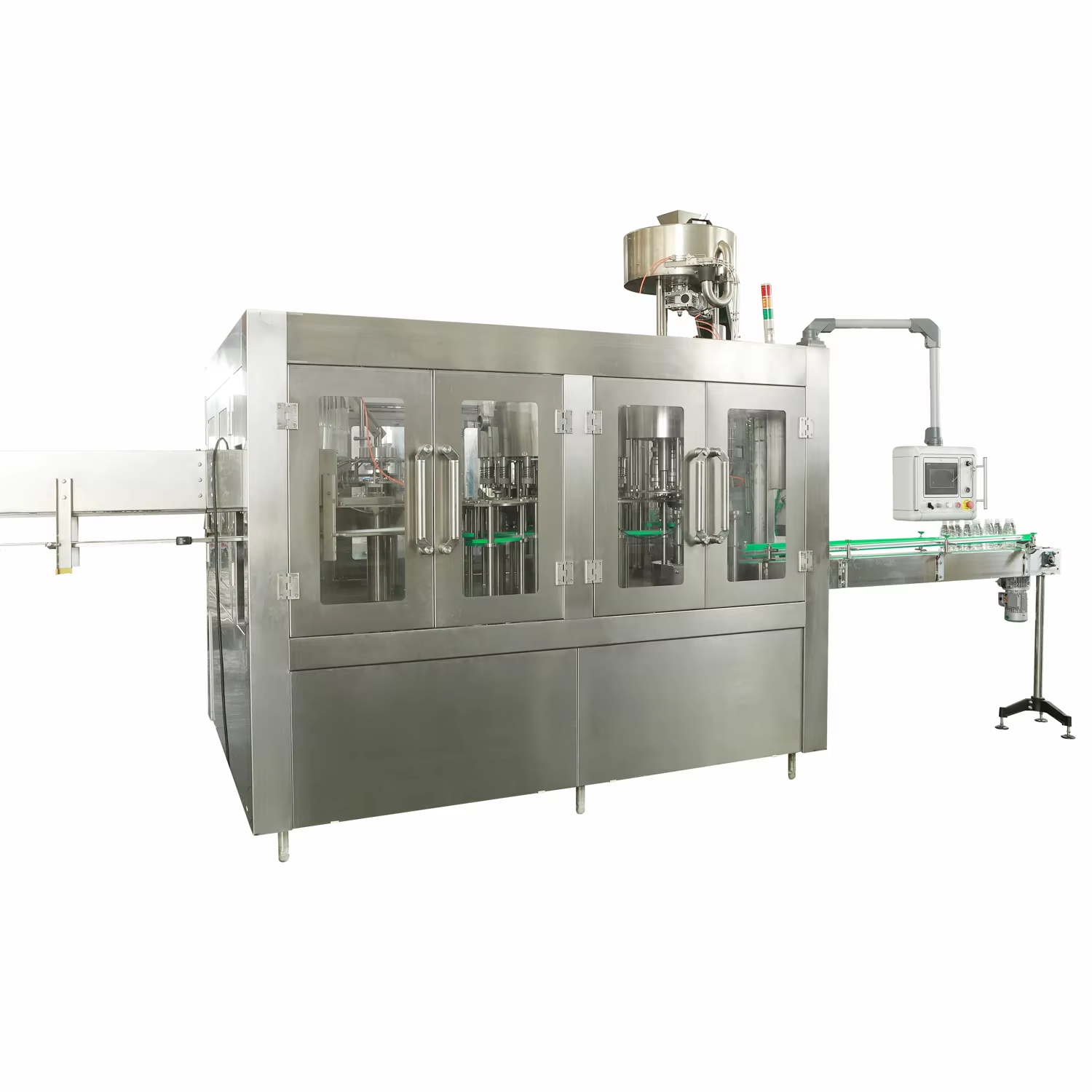
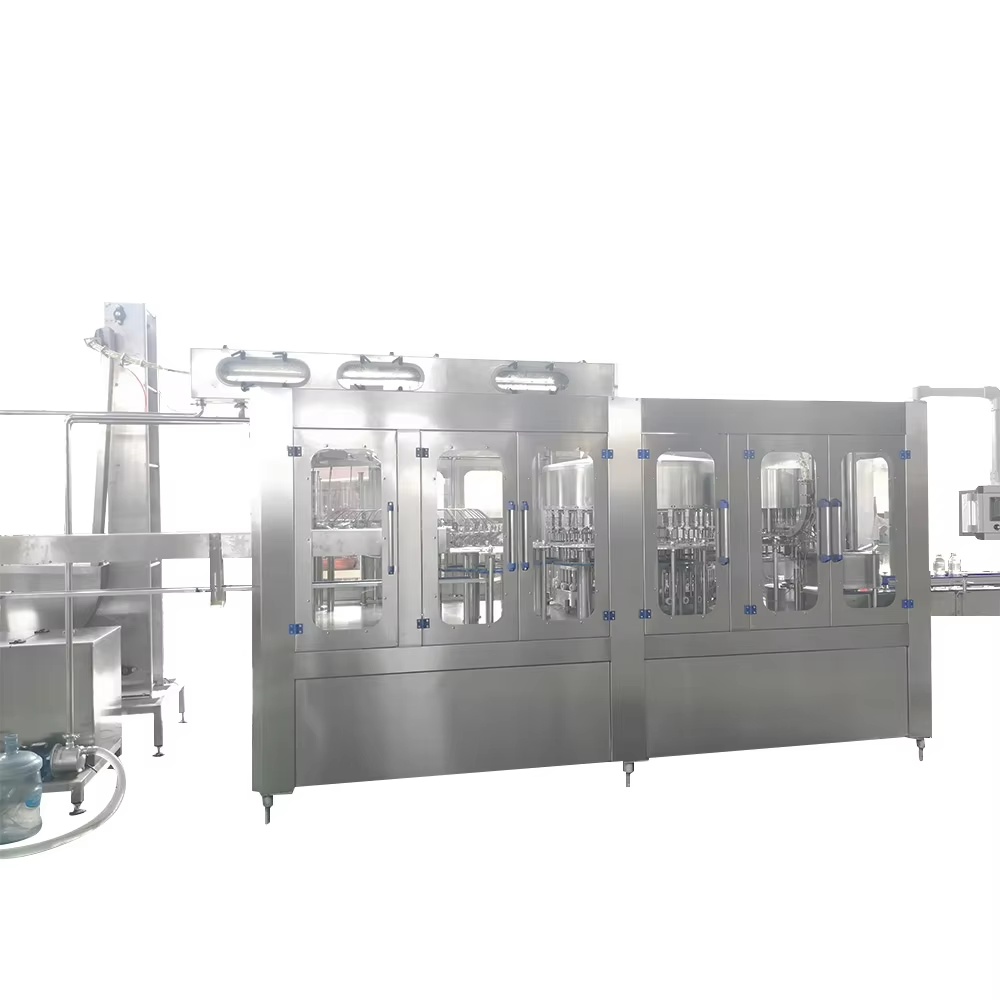
How to Evaluate Liquid Filling Equipment Quality Before Purchase
Liquid filling machines can encounter several common issues that may affect production efficiency and product quality. Here are some problems and their corresponding solutions:
Inconsistent Filling Volumes: This issue can be caused by air bubbles in the liquid or incorrect machine calibration. Regular maintenance and recalibration of the filling system can help maintain accuracy. Additionally, ensuring that the liquid is deaerated prior to filling can reduce the occurrence of air bubbles.
Clogging: Clogs can occur due to viscous liquids or particulates. Implementing a pre-filtration system to remove solids before filling can prevent clogging. Regular cleaning routines are also essential to ensure smooth operation.
Leaking: Leaks can result from worn seals or improper installation. Regular inspection of seals and gaskets, along with prompt replacement when necessary, will help minimize leaks. Proper installation practices also play a critical role in preventing leaks.
Equipment Downtime: Unplanned downtime can be costly. To mitigate this, develop a routine maintenance schedule that includes checks on key components such as pumps, valves, and sensors. Proactive maintenance can reduce the risk of unexpected failures.
By understanding these common issues and implementing preventative measures, you can enhance the reliability and efficiency of your liquid filling operations.