Common Problems and Solutions for Wine Bottling Lines

All Categories

Wine bottling line

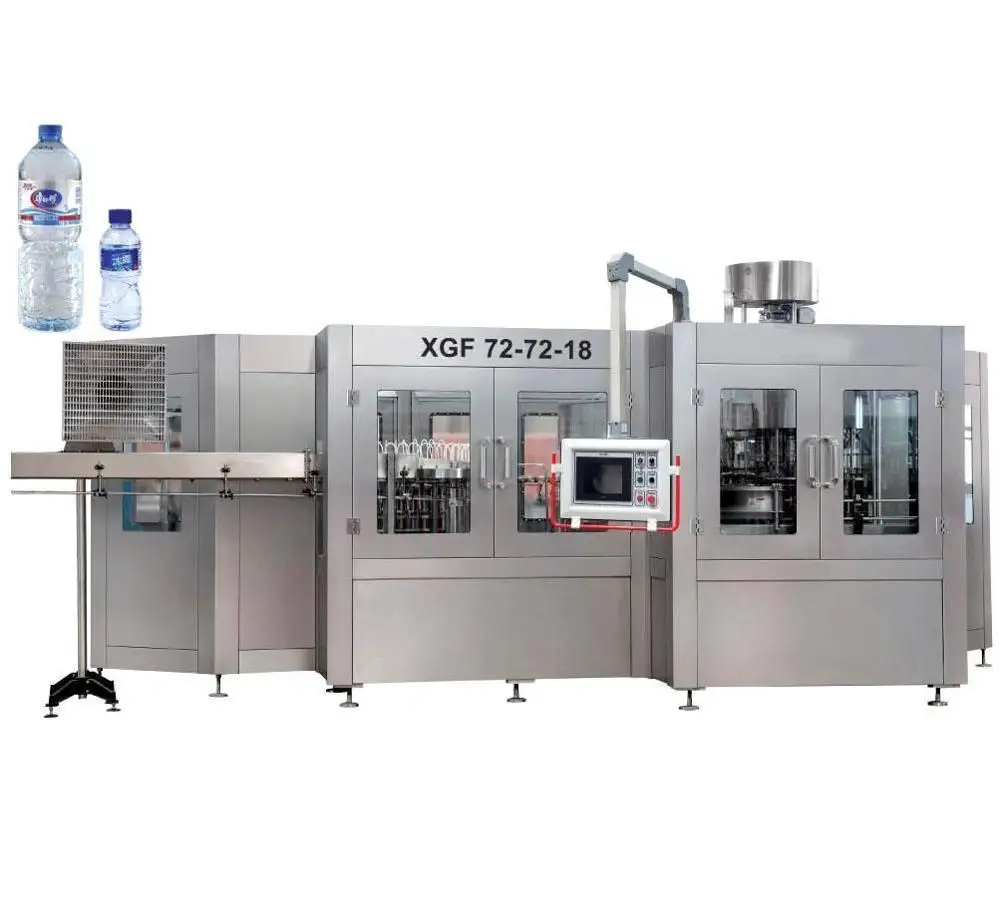
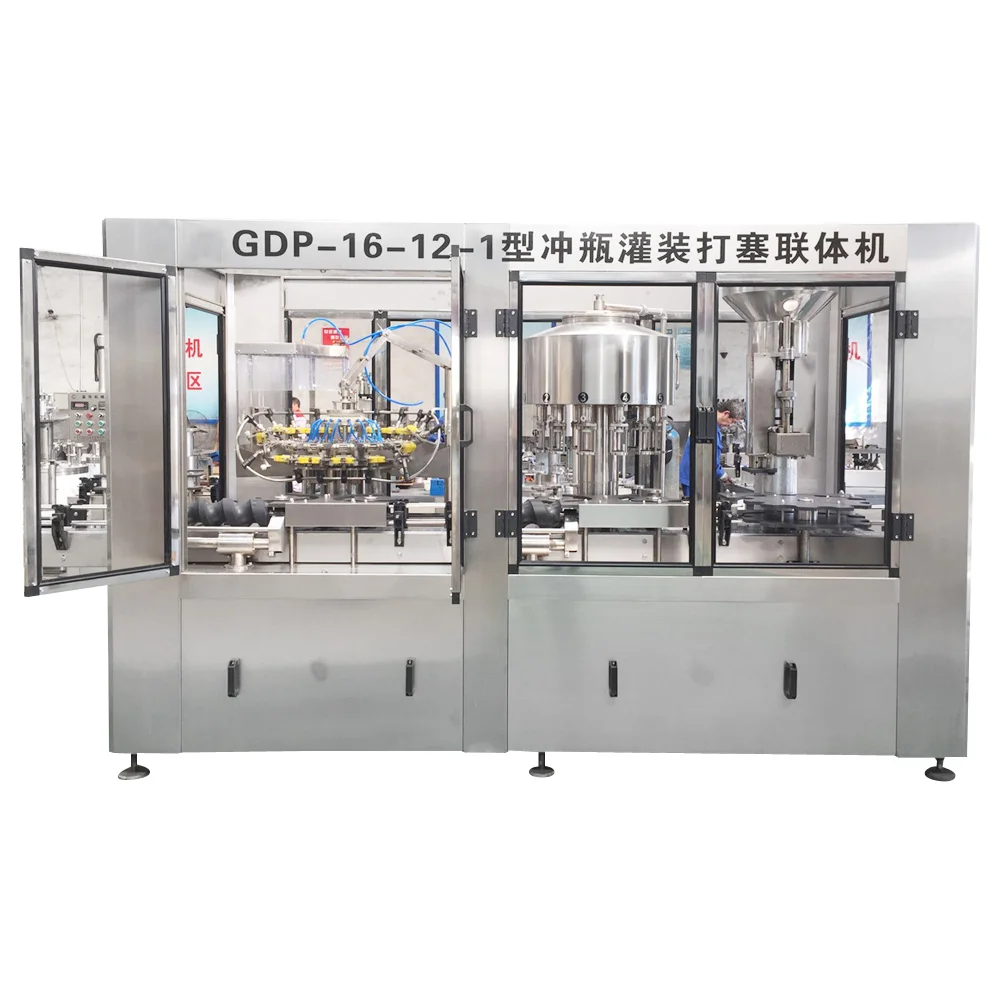
Wine bottling lines are essential systems for efficiently filling and packaging wine into bottles, ensuring product quality and consistency. For B2B buyers, such as purchasing managers and distributors, understanding the complexities behind these lines is crucial for making informed decisions. This article will delve into common issues associated with wine bottling lines, provide insights into their applications across various beverage industries, and guide buyers on how to select reliable suppliers. Additionally, we will compare different models to help you find the best fit for your operations.
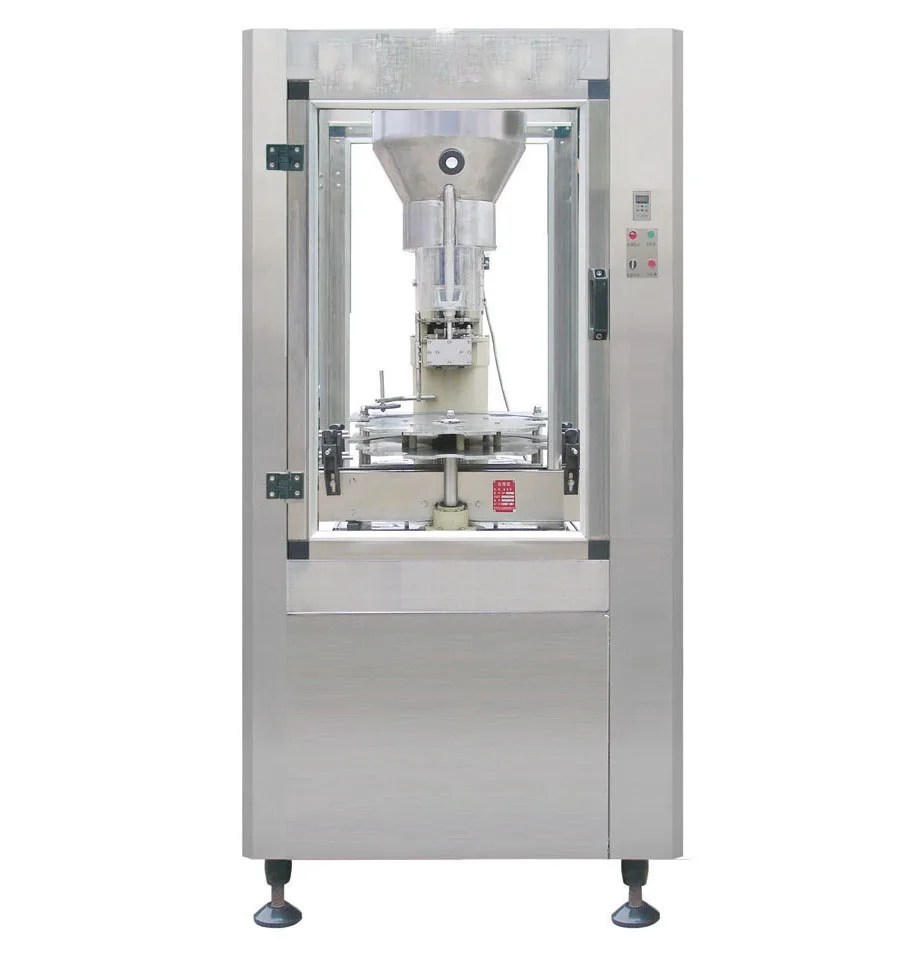
Our Products

What to Know

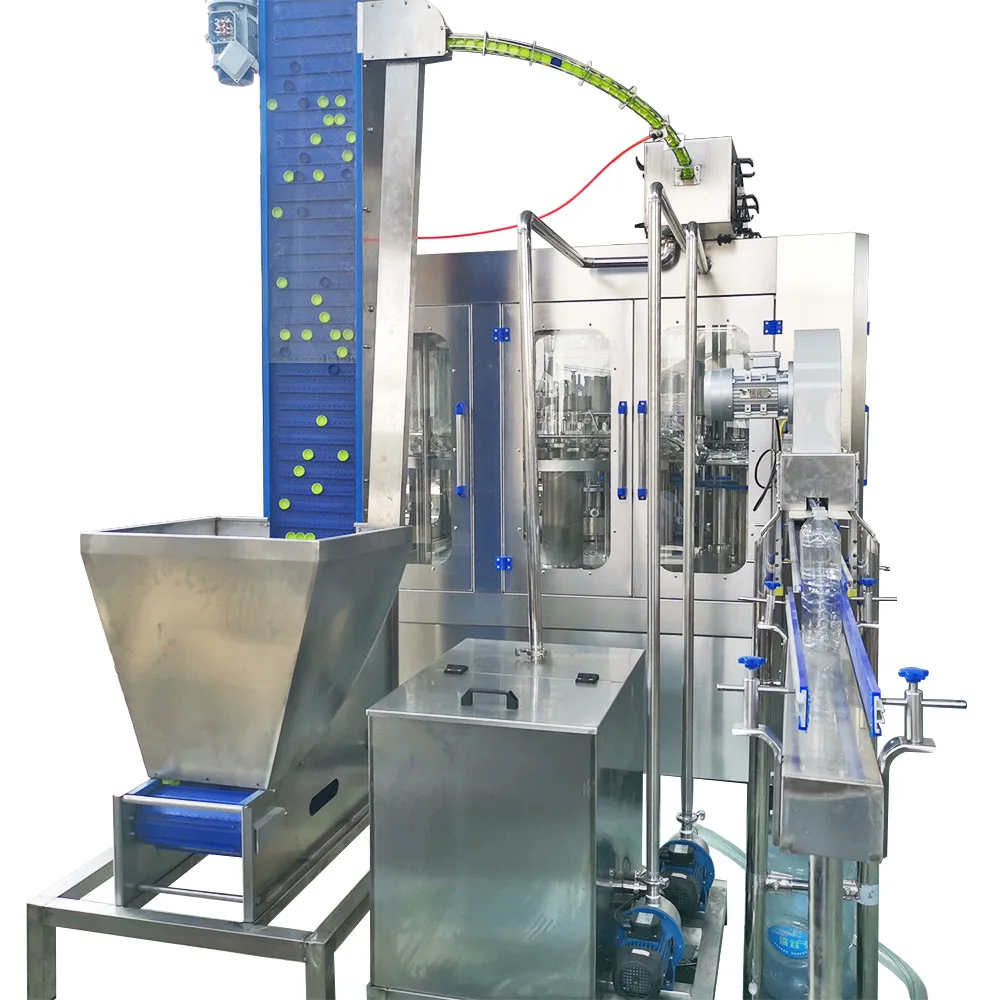
When considering a wine bottling line, buyers should focus on several key factors. Firstly, understanding the production capacity is essential. This capacity should align with your production goals and anticipated demand. For example, if you expect to produce a high volume of wine, a wine bottling lines capable of handling larger outputs will be necessary. 

It’s also important to consider the types of bottles and closures you will be using, as compatibility with various bottle shapes and closure types (such as corks, screw caps, or synthetic stoppers) can affect the performance of the wine bottling lines. 

Furthermore, the material used in the construction of the bottling line is critical. Stainless steel is a common choice due to its durability and resistance to corrosion, but it is essential to ensure that all materials meet food safety standards and are suitable for wine packaging. 

Finally, buyers should evaluate the level of automation required. Automated systems can improve efficiency and reduce labor costs but require a higher initial investment. Assessing your business needs and balancing automation with budget constraints will help in making the right choice. 

Applications of Wine Bottling Lines in Various Beverage Industries

Wine bottling lines are not limited to the wine industry; they also find applications in various beverage sectors, including beer, spirits, and soft drinks. In the beer industry, for example, filling lines must accommodate carbonated beverages, requiring specialized technology to manage pressure and prevent foam overflow during the filling process. 

In the dairy industry, bottling lines handle products like milk and yogurt, where maintaining hygiene and preventing spoilage are paramount. These lines often incorporate advanced sterilization techniques to ensure the integrity of perishable liquids. 

Furthermore, in the juice and soft drink sectors, bottling lines must be versatile enough to accommodate different viscosities and ingredients. This adaptability allows producers to switch between products while maintaining high quality and efficiency. 

By understanding the specific needs of your industry and how wine bottle filler can be tailored to meet those needs, you can select equipment that enhances productivity and product quality. 

Where to Find Trusted Suppliers for Wine Bottling Lines

Finding a reliable supplier for wine bottling lines involves looking for manufacturers with a proven track record and industry experience. Start by researching companies that specialize in liquid filling and packing machinery, particularly those with expertise in the beverage sector. 

Certifications like ISO9001 and CE indicate that a supplier adheres to quality standards and safety regulations, which is crucial for ensuring the reliability of the wine bottling lines. Additionally, suppliers that offer comprehensive services, including pre-sales consultation and installation, can provide valuable support throughout the purchasing process. 

Attending industry trade shows and expos can also be beneficial, as these events provide opportunities to meet suppliers, view equipment in action, and gather information about the latest technologies and innovations in the market. 

Finally, online reviews and testimonials from other businesses can help gauge the reputation and reliability of potential suppliers, allowing you to make a more informed decision. 

Comparing Features of Different Wine Bottling Line Models

When evaluating different wine bottling line models, several features should be compared to find the best fit for your operations. Key specifications to consider include: 

Filling Mechanism: Look for options such as gravity, vacuum, or pressure filling, each of which has its advantages depending on the type of wine and bottling requirements. 

Production Speed: Assess the maximum throughput of each model and how it aligns with your production goals. A wine filling machine line with a higher speed may reduce labor costs and increase efficiency. 

Flexibility: Some models are designed to handle various bottle shapes and sizes. If your product line includes different bottle types, choosing a versatile system can save on future reconfiguration costs. 

Automation Level: Evaluate whether you need a fully automated line or semi-automated options. Fully automated systems can significantly reduce labor, while semi-automated lines may offer cost savings and easier operation for smaller production runs. 

Maintenance Requirements: Consider the ease of maintenance for each model, including the availability of replacement parts and the manufacturer’s support services. 

By carefully comparing these features against your operational requirements, you can select a wine bottling line that not only meets your current needs but also adapts to future demands as your business grows. 

Understanding the intricacies of wine bottling lines and the factors that influence their operation can empower B2B buyers to make informed decisions. By addressing common problems, knowing what to look for, exploring applications across industries, finding trusted suppliers, and comparing different models, buyers can optimize their production processes and enhance product quality. 

Common Problems with Wine Bottling Lines and Their Solutions

Wine bottling lines can encounter several common issues that may disrupt production or compromise product quality. One prevalent problem is filling inconsistencies, which can lead to variations in wine volume across bottles. This inconsistency often arises from the calibration of filling machines; therefore, regular maintenance and calibration checks are vital to ensure accuracy. 

Another challenge is the risk of contamination during the bottling process. It’s crucial to implement strict hygiene protocols and utilize equipment with appropriate cleaning functionalities. For instance, systems that allow for thorough cleaning between batches can significantly reduce the risk of cross-contamination. 

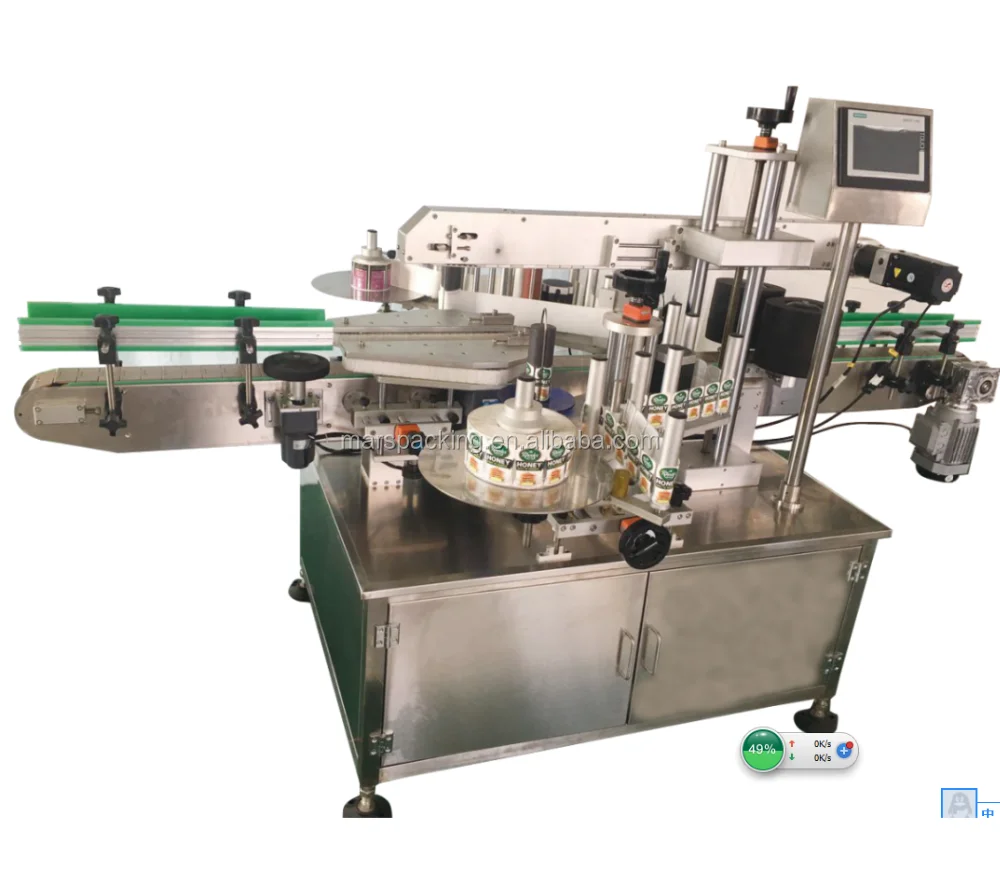
Additionally, wine bottle labeling equipment may experience mechanical failures due to wear and tear. Regular inspections and preventive maintenance schedules can help identify and resolve potential issues before they lead to significant downtime. Suppliers that offer comprehensive service packages, including pre-sales consultation and installation support, can play a pivotal role in minimizing these risks. 

Frequently Asked Questions

What is a wine bottling line used for?

A wine bottling line automates filling, corking/capping, labeling, and packaging to increase speed, consistency, and hygiene in wine production.
Yes. We offer customized solutions tailored to production volume, bottle types, closures, and layout requirements through our in-house engineering team.
We supply bottling lines for small to large-scale operations, from a few hundred to several thousand bottles per hour, configurable to your needs.
Yes. We offer pre-sales consultation, installation services, commissioning, and ongoing technical support from our engineering team.
Our factory holds ISO9001 and CE certifications, ensuring manufacturing quality, reliability, and compliance with relevant safety standards.

Our Blog Posts

Beer Filling Machine Counterpressure Filling: Preserving Beer Carbonation During Filling

16

Jan

Beer Filling Machine Counterpressure Filling: Preserving Beer Carbonation During Filling

Beer is a favorite drinks of millions of men and women worldwide. Beer, when brewed, is put in the bottles or cans. The process is vital because the way in which beers is filled determines its taste and how much it bubbles.  IntroductionCou...
View More
Water Filling Machine Batch Logging: Recording Production Data for Compliance

09

Mar

Water Filling Machine Batch Logging: Recording Production Data for Compliance

Water is very important for life, and filling machines help put that water into bottles fast and safe. At Mars, we produce really good water filling machine that companies use to make bottled water. One key thing in these machines is batch ...
View More
Beer Filling Machine Line Cleaning: Scheduling CIP Cycles to Avoid Cross-Contamination

09

Mar

Beer Filling Machine Line Cleaning: Scheduling CIP Cycles to Avoid Cross-Contamination

Keeping beer filling machines clean is super important. When we talking about cleaning, we often say CIP, or Clean-In-Place. This mean you clean the machines without take them apart, right there where they stand. If you schedule these CIP cycles good...
View More
Adhesive Labeling Machine Label Material: Choosing Durable Labels for Refrigerated Products

31

Mar

Adhesive Labeling Machine Label Material: Choosing Durable Labels for Refrigerated Products

When it comes to labeling products that go in a fridge, picking the right kind of labels is really important. These labels need to stick well and not come off, even if they get cold or wet. At Mars, we get how key it is for businesses to have tough l...
View More

Get a Free Quote

Our representative will contact you soon.
Email
Name
Company Name
Message
0/1000

Get a Free Quote

Our representative will contact you soon.
Email
Name
Company Name
Message
0/1000