Litchi Juice Filling Machine Solutions for Businesses

All Categories

litchi juice filling machine

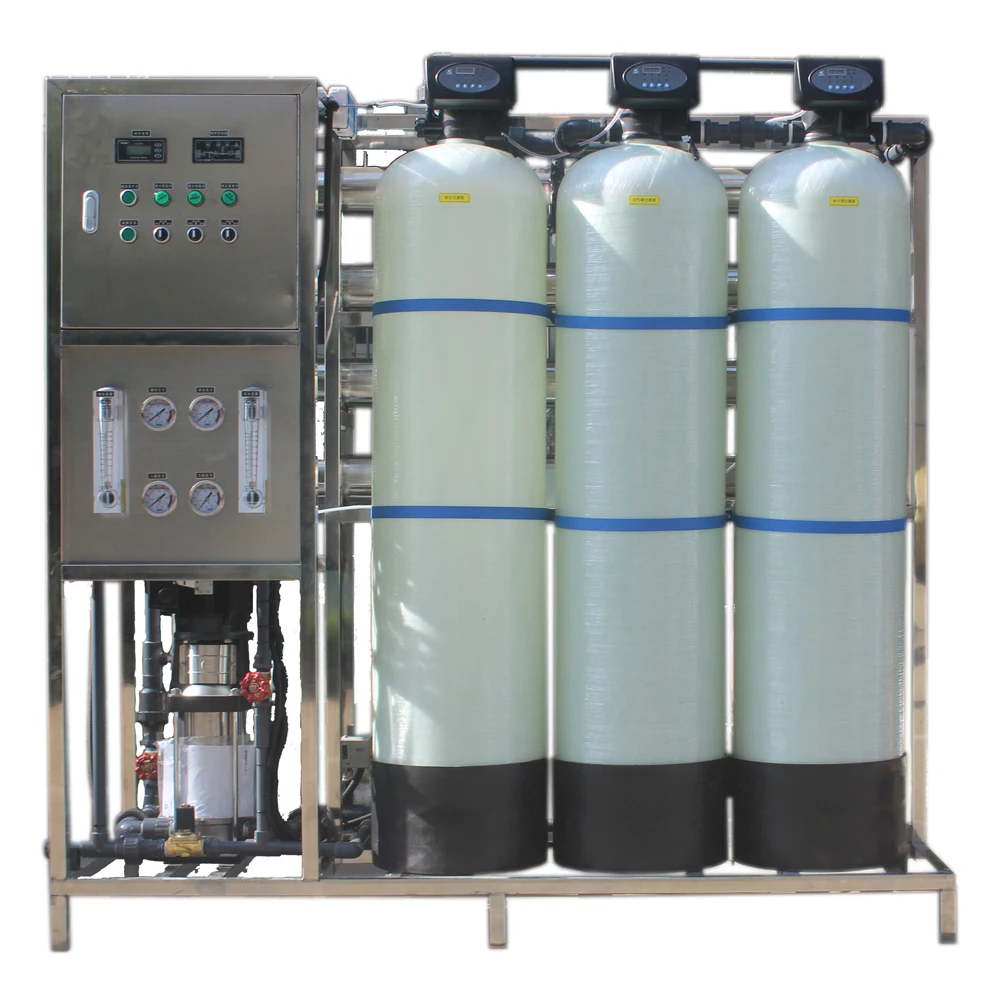
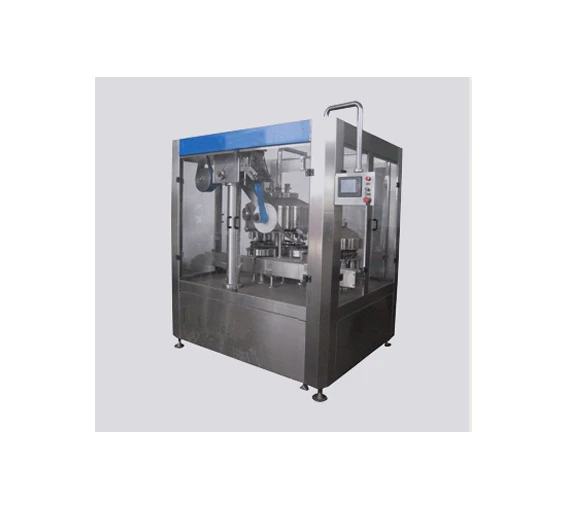
Litchi juice filling machines  are essential  for  companies  in the beverage  industry looking to efficiently package  litchi juice while maintaining  quality and  freshness. For purchasing managers and engineers,  choosing the right filling  machine  involves careful consideration  of various factors, including production  capacity, customization capabilities, and overall reliability. This article will provide practical insights to help you  navigate the  complexities of sourcing litchi  juice filling machines,  ensuring you make  an informed  purchasing  decision.

How to Evaluate the Quality of Litchi Juice Filling Equipment

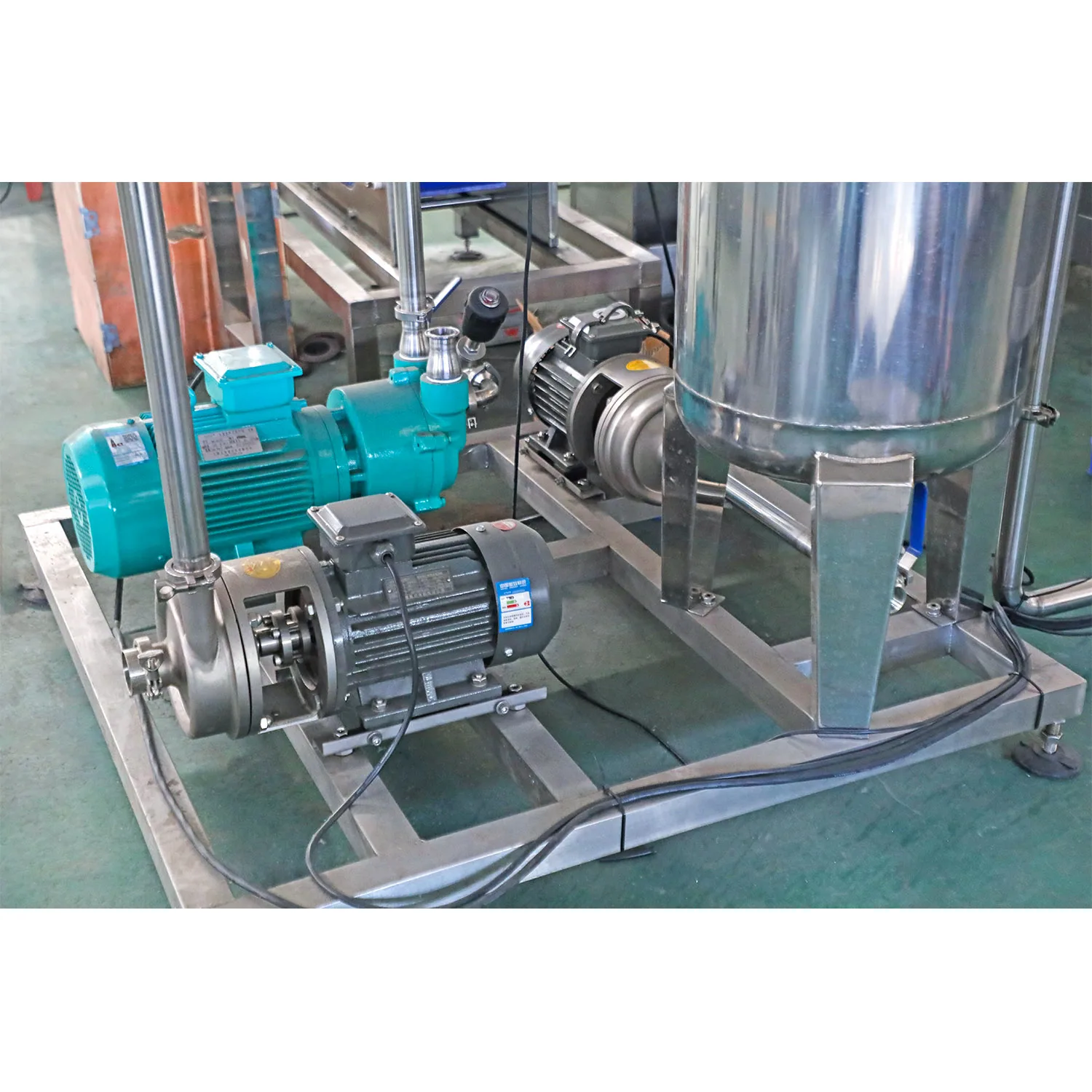
Quality evaluation of litchi juice filling equipment involves several technical  considerations. Start  by examining the materials used in the  machine's construction. High-quality, food-grade materials are essential not only for safety but also for maintaining the integrity of the juice. Stainless steel is often preferred due to its resistance to corrosion and ease of cleaning,  which is crucial for hygiene in beverage production.

Next, review the machine's design  and the technology used in its operation. Look for features like precision  filling mechanisms that minimize spillage and  variations in fill levels. Machines equipped with advanced control systems can offer better accuracy and consistency, which are critical for  maintaining product quality. You might also consider models such as the Automatic 500ML 1L 2L 3L PET Bottle Craft Beer Washing Filling Capping Bottling Machine Line for enhanced performance.

Additionally,  inquire about the manufacturer's quality control processes. Certifications such  as ISO9001 and CE indicate  adherence  to international standards,  ensuring that the equipment meets rigorous quality benchmarks. Manufacturers with robust testing  and  quality assurance protocols are more  likely  to provide reliable machines that will last  longer  and perform better.
Common Problems with Litchi Juice Filling Machines and Solutions

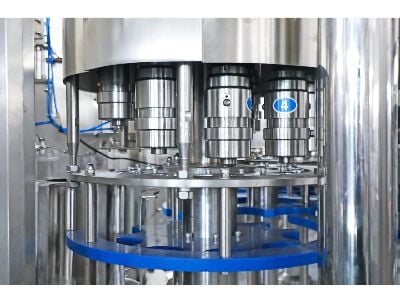
Understanding common problems associated with litchi juice filling machines can help you avoid costly downtime. One frequent issue is inconsistent filling levels, which can arise from poor calibration or malfunctioning sensors. Regular maintenance  and calibration checks are  essential  to ensure that the filling mechanisms are functioning correctly.

Another common problem is sealing failures,  which  can lead to product spoilage. This issue often stems from  improper sealing  temperatures or pressure  settings.  Ensuring  that your machine has adjustable sealing parameters can help mitigate this risk. Additionally, conducting routine inspections of sealing components can identify wear and tear before it leads to significant failures.

Finally, consider  issues  related  to machine compatibility with different  types of litchi juice packaging.  For example, some  machines may struggle with thicker juices or those  containing pulp. Testing the machine with your specific  product before mass production can identify  potential issues early on.

Comparing Different Models of Litchi Juice Filling Machines

When comparing different models of litchi juice filling machines, focus on specifications that directly impact performance.  Key specifications to compare include  filling speed, accuracy, and the range of  container sizes the machine can handle.  For instance, some machines  may offer a higher fill rate but compromise  on accuracy, leading to waste and customer dissatisfaction.

Look  into whether the machines are  semi-automatic or fully automatic,  as this will affect labor costs and operational efficiency.  Fully automatic machines tend to require a higher initial investment but can significantly reduce labor costs over time.

Another important aspect to compare  is the ease of  maintenance  and cleaning. Models designed with accessible  components will save time  and reduce operational downtime. Seek out machines that come  with clear  maintenance guidelines and support from the manufacturer.

Lastly, consider warranty and after-sales support. A reliable manufacturer should provide comprehensive support, including installation  assistance, training for your staff, and ongoing maintenance services. This can  greatly impact the overall  cost-effectiveness of your investment.

Wholesale Purchasing Tips for Litchi Juice Filling Equipment

When  purchasing litchi juice filling equipment in  bulk, several  strategies can help ensure you get the best value for your investment. First, establish clear specifications  that your equipment must meet. This includes production capacity, material requirements, and  any customization needs. Having a well-defined request for quotation (RFQ) will help suppliers provide accurate  proposals.

Next, consider negotiating terms based on volume. Suppliers may offer discounts for larger  orders, so be clear  about your purchase intentions. Additionally, inquire about minimum order quantities (MOQ) as this can vary significantly between manufacturers.

Don't overlook the importance of lead times. Understanding how long it will take for the equipment to be produced and  delivered is crucial, especially if  you have a tight production schedule. Ensure your supplier can meet your timelines while  providing quality assurance.

Lastly, request samples or demonstrations of the equipment wherever possible. This hands-on experience allows  you to assess the machine's performance and suitability for your specific production  needs before  committing to a purchase. It’s also an excellent opportunity to evaluate the supplier's responsiveness and customer  service.

By taking these factors into account, purchasing managers and engineers can make informed decisions and secure litchi juice filling machines that enhance their production  capabilities while ensuring  quality and  efficiency.

What to Consider When Sourcing Litchi Juice Filling Machines

When sourcing litchi juice filling  machines,  it’s  crucial to evaluate several key  factors to ensure that the equipment meets your operational needs. Firstly, consider the production capacity required for your  facility. This means assessing how many  bottles or containers you need to  fill per hour,  which can significantly impact your choice of machine. A machine  with a higher output capacity might be necessary for  larger operations, while smaller businesses may find lower-capacity models more suitable. For instance, you might explore options like the Zhangjiagang King Quality 12000BPH Gravity Filler Mineral Water Filling Machine for higher production needs.

Additionally, customization capabilities are vital. Each production line may  have specific requirements depending on the type of litchi juice being produced, such as viscosity and carbonation levels. Discussing these needs  with the manufacturer  can help you  determine if they can provide tailored solutions or if modifications can be made to existing models.

Finally, the machine's compatibility  with existing  production lines should not be overlooked. Verify dimensions, interface compatibility, and the  need for any auxiliary equipment, such  as  conveyors  or labeling machines, to ensure smooth integration into your operations.

Our Blog Posts

Can Filling Line Optimization: Maximizing Output for Energy Drink Manufacturers

17

Mar

Can Filling Line Optimization: Maximizing Output for Energy Drink Manufacturers

Maximizing Productivity: Throughput for Producers of Energy Drink Efficiency is everything in the production of an energy drink. Everything from the output of the filling machines to quality control is crucial to being successful in North America&rsq...
View More
Vietnam Case Study: Building 24,000 BPH Water Plant in 6 Months

22

Nov

Vietnam Case Study: Building 24,000 BPH Water Plant in 6 Months

Constructing a water plant able to produce 24,000 bottles per hour (BPH) is a huge challenge in six months. Finishing on time and with high standards takes careful planning, hard work and thoughtful decisions. The company behind this venture in Vietn...
View More
Filling Machine Sanitation: CIP (Clean-in-Place) Features for Fast, Effective Cleaning

12

Dec

Filling Machine Sanitation: CIP (Clean-in-Place) Features for Fast, Effective Cleaning

It is so critical to clean machines at factories. At Mars, we’re in a filling machine business, and keeping our machines clean is critical to everything running smoothly. One method of cleaning these machines is using CIP, an abbreviation for Clean-i...
View More
Carbonated Soft Drink Bottling Line Future Trends: AI-Powered Systems for Predictive Maintenance

25

May

Carbonated Soft Drink Bottling Line Future Trends: AI-Powered Systems for Predictive Maintenance

Carbonated soft drinks is big in many people lives. They come with all kind flavors and kids plus adults enjoy them. But you ever thought how these drinks made? At Mars we focus make process easy and fast. One fun part is the bottling line where drin...
View More

Get a Free Quote

Our representative will contact you soon.
Email
Name
Company Name
Message
0/1000

Get a Free Quote

Our representative will contact you soon.
Email
Name
Company Name
Message
0/1000