Juice Filling Machine for Sale: A Comprehensive Guide

All Categories

juice filling machine for sale

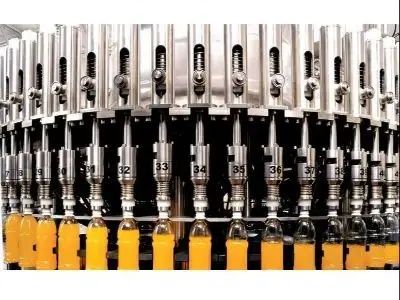
Juice filling machines are essential  equipment  for beverage manufacturers, designed to  automate the bottling  process  while ensuring accuracy and efficiency. When  looking for  a juice  filling machine for  sale, B2B buyers  often focus on  factors such as production capacity, machine compatibility, and  quality standards.  This article aims to  provide  a comprehensive  guide  on  selecting the right juice filling  machine, addressing key specifications, sourcing options, common issues,  and their applications within the industry.

Where to Source Reliable Juice Filling Machines for Wholesale

Sourcing juice filling machines for wholesale can be  done  through various channels:

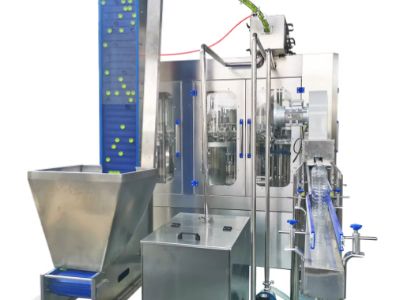
Direct Manufacturers: Companies like  Mars Packing Machinery specialize  in producing liquid filling machines. Engaging directly  with manufacturers can often lead to better  pricing and customization options, including solutions like the Packing Machine.

Trade Shows and  Expos: Industry trade shows provide an excellent opportunity to  see machines in  action, meet suppliers face-to-face, and discuss specific needs. This hands-on experience can help buyers make informed decisions.

Online Marketplaces: Websites such  as Alibaba and ThomasNet list numerous suppliers and manufacturers. Buyers should carefully vet these companies, checking  for reviews, certifications,  and past client experiences.

Industry Associations: Joining industry associations can provide access  to  trusted suppliers and manufacturers,  along with valuable market insights.

Local Distributors: Engaging with local distributors may offer benefits like quicker delivery  times and localized support. 

Buyers should ensure that any supplier they consider provides comprehensive after-sales support, including installation and maintenance  services.
A Buyeru2019s Guide

When preparing to purchase a juice  filling machine, consider  the  following steps:

Define Requirements: Clearly outline your production needs, including expected output, bottle specifications, and filling accuracy.

Request Quotes: Provide potential suppliers with  detailed information about your requirements to  receive accurate quotations.  Include factors such as expected production  volume, desired machine features, and customization needs.

Evaluate Samples: Before finalizing a purchase, requesting a sample  run can help assess the machine's performance and compatibility with your product.

Check References: Ask suppliers for references  or case studies from similar industries to gauge their reliability and effectiveness.

Inspect the Factory: If possible,  visiting the manufacturer’s facility can provide insights  into their production capabilities and quality control processes.

Negotiate Terms: Discuss payment terms, lead  times, and warranty conditions to ensure a mutually beneficial agreement.

Plan  for Installation: Ensure that the supplier will assist with the installation  process, as proper setup is crucial for optimal  machine performance.

By following these steps,  buyers can  streamline their purchasing  process and select a machine that  aligns with their  operational goals.

Common Problems with Juice Filling Machines and Their Solutions

Despite their efficiency, juice filling machines  can encounter several common issues:

Filling  Variability: This  can occur due  to  improper calibration or inconsistent bottle positioning. Regular maintenance and calibration checks can mitigate this issue.

Clogging: Juice with pulp  can clog filling nozzles. Using specialized nozzles designed for high-pulp products or maintaining regular cleaning schedules can help.

Leaks: Leaks may arise from worn seals or improper assembly.  Regular inspections and prompt replacement  of  worn parts are  essential for maintaining machine integrity.

Automation  Failures: Automation systems can sometimes fail  due to software glitches. Regular software updates and technical support from  the manufacturer  are vital for addressing these issues.

Bottle Damage: Improper handling or machine adjustments can lead to bottle breakage  or deformation. Ensuring proper machine setup and operator training can minimize these risks.

Addressing these  potential problems  proactively can enhance the longevity and efficiency of the  juice filling machine, ultimately  supporting production demands.

Understanding the Applications of Juice Filling Machines in Industry

Juice filling machines  are utilized across various sectors, including:

Beverage Manufacturing: These machines are essential for bottling juice, ensuring consistency and speed in production processes.

Dairy Industry: Some  juice filling machines can handle dairy products, allowing manufacturers to  diversify their offerings.


Food Processing: Companies involved in food processing may also use these  machines for  sauces and purees, especially those with similar viscosity.

Export Markets: Manufacturers focusing on international sales benefit from high-quality filling machines  that meet  global standards and certifications.

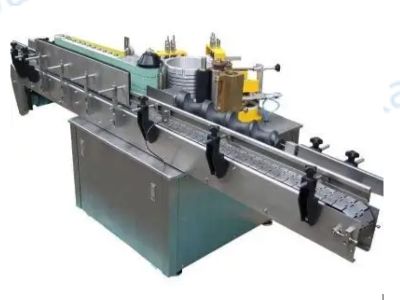
Private Labeling: Businesses that offer private labeling  services can use juice filling machines to create customized  products for various clients, including options from Beverage Pretreatment System.

Understanding these applications can  help buyers recognize the versatility of juice  filling  machines and their  potential for  expanding product lines within their operations.

By carefully considering specifications, sourcing options, common  challenges, and industry applications, B2B buyers can make informed decisions when searching for a  juice  filling machine for sale.

Key Specifications to Consider for Juice Filling Machines

When evaluating juice filling  machines, buyers should focus on several key specifications:


Filling Speed: This is often  measured in bottles per hour (BPH). Understanding the required production volume will help determine the necessary speed.

Filling Accuracy: Precision in  filling is critical to  minimize waste and ensure  product consistency. Buyers should inquire about the machine's accuracy rate, typically expressed as a percentage.

Types of Filling Mechanisms: Juice filling machines can use gravity, pressure, or vacuum filling methods. Each  method has its advantages depending on the type of juice being processed, such as  pulp content and viscosity.

Bottle Compatibility: Machines  should accommodate different bottle sizes and shapes. Buyers should confirm  the range of bottle  dimensions the machine can handle  to prevent compatibility issues.

Material Construction: Look for machines made of food-grade  stainless steel, which is durable and resistant to corrosion. This choice also ensures compliance with health and safety regulations.

Automation  Level: Fully  automated machines enhance efficiency but require a  higher initial investment. Semi-automatic  options may be more suitable for smaller operations or budget constraints.

Certifications: Ensure the machine holds relevant certifications, such as ISO9001 and CE, to guarantee quality  and safety standards.

Understanding  these specifications will help buyers choose a juice filling machine that meets their operational requirements and quality expectations.

Our Blog Posts

Sleeve Labeling Machine Material Options: Biodegradable Shrink Sleeves for Eco Brands

16

Jan

Sleeve Labeling Machine Material Options: Biodegradable Shrink Sleeves for Eco Brands

Companies are altering how they package their products. Today, many brands want to be eco-friendly and environmentally friendly. At Mars we know the small things make a big difference.  What Are Biodegradable Shrink SleevesBiodegradable shr...
View More
Filling Machine Material Construction: Corrosion-Resistant Parts for Acidic Juices

07

Mar

Filling Machine Material Construction: Corrosion-Resistant Parts for Acidic Juices

Filling machines they are really important in lots industry, specially for packing juices. When we make this machines, we have to think about what materials using. This is more true when deal with acidic juices, like citrus ones. Juices can be very h...
View More
Complete Bottling Line Remote Monitoring: Managing Production from Any Location

25

Apr

Complete Bottling Line Remote Monitoring: Managing Production from Any Location

With faraway viewing, bottling lines are changing production lines. Companies such as Mars can monitor the whole production no matter where they are. If you can monitor the number of bottles filled, sealed and packed, it would save time. Workers can ...
View More
Precision Filling Machine Maintenance Guide for Long Service Life

22

Jun

Precision Filling Machine Maintenance Guide for Long Service Life

Keeping your Mars filling machines running smooth is super important if you want them to last really long time and do they job well. Think like caring for a special tool. If you clean it, oil it and check regular, it works better and don't break down...
View More

Get a Free Quote

Our representative will contact you soon.
Email
Name
Company Name
Message
0/1000

Get a Free Quote

Our representative will contact you soon.
Email
Name
Company Name
Message
0/1000