Key Specifications for Juice Filling Equipment

All Categories

juice filling equipment

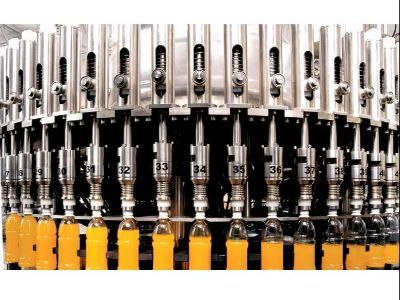
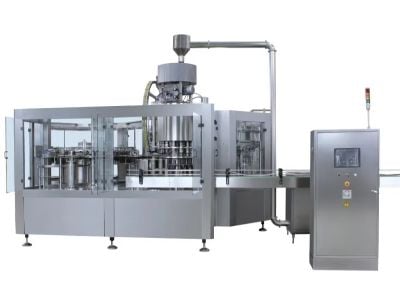
Juice filling equipment  plays  a crucial role  in the beverage manufacturing  industry, enabling  the efficient and hygienic packaging of  various  juice products. When sourcing  these  machines, B2B buyers  often  prioritize considerations such  as machine compatibility, production capacity, customization options, and  overall cost. This article will explore key  specifications to consider when  sourcing  juice filling machines, cost  factors, installation guidance,  common  problems and solutions, and the diverse applications  of juice filling equipment across industries.

Understanding the Cost Factors of Juice Filling Machine Purchases

The cost of juice filling machines can vary significantly based on multiple factors. Here  are some critical  elements influencing pricing:

Machine Type and Features: More  advanced machines with higher automation,  specialized features, or multi-functional capabilities  typically come at a higher price. Determine which features are essential  for your operations to avoid overspending.

Production Capacity: Higher capacity machines generally have a higher upfront cost. However, they can offer better long-term value by reducing the cost per unit as  production scales.

Customization Requirements: Customized solutions often incur additional costs, depending on the complexity of the modifications needed. Clearly define your requirements to get accurate quotes and budget accordingly.

Supplier Reputation and Service: Established manufacturers  may  charge a premium  due to their experience, quality assurance, and after-sales service. Investing in a reputable supplier can lead to long-term savings through enhanced reliability and support. For instance, the 6000BPH Manufacture Complete Fruit Juice Bottling Production Machine Line is backed by a reputable supplier.

Maintenance and Operating  Costs: Consider ongoing operational costs, including maintenance, energy consumption, and spare  parts. A lower initial purchase price may lead  to  higher long-term costs if the machine requires frequent repairs or has high energy consumption.

Understanding  these  cost factors will  enable you  to  make informed purchasing  decisions and allocate your budget effectively.
Installation Guidance for Optimal Performance of Juice Filling Systems

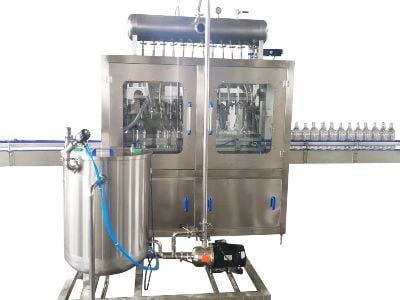
Proper installation  is critical for the optimal performance of  juice  filling systems.  Here are essential steps and considerations:

Site Preparation: Ensure that the installation site complies with  all necessary requirements, including space, power supply, and environmental conditions. The area should be clean and free from contaminants.

Manufacturer Guidelines:  Always follow the manufacturer's installation instructions. This includes the correct setup of all components, such as conveyors, fillers, and capping machines, to ensure seamless  operation.

Calibration and Testing:  After  installation, calibrate the machine according to the specific juice product being filled. Conduct trial runs to verify the  accuracy of the filling process and make necessary adjustments.

Staff Training: Ensure that operators receive adequate training on the machine's operation, maintenance, and troubleshooting procedures. This  can  significantly reduce the  risk of errors and improve efficiency.

Regular Maintenance  Schedule: Establish a routine maintenance schedule to  ensure the machine continues to operate at peak performance. Regular inspections can identify potential issues before they  escalate into significant problems.

By adhering to  these  installation guidelines, you can enhance the  longevity and reliability of your juice filling equipment.

Common Problems with Juice Filling Machines and Their Solutions

While juice filling machines are designed for efficiency,  several common issues may arise. Here are typical problems and their solutions:

Underfilling or  Overfilling: Inaccurate filling  can occur due to faulty sensors or improper calibration. Regular  calibration checks and sensor  maintenance  can help maintain accuracy.

Leakage: Leaks often result from worn seals or gaskets. Regular inspections and timely replacement of these components can prevent product loss and  maintain hygiene.

Clogs and Jams: Clogs may occur due  to fruit pulp or packaging debris. Implementing a thorough  cleaning routine can  alleviate this  issue, and using pre-filters can minimize clogging risks.

Inconsistent Filling  Speeds: Variability in filling speeds can be caused  by mechanical wear  or insufficient power supply. Regular maintenance and ensuring the machine  operates within its designed parameters  can help stabilize performance.

Software Glitches:  For automated systems, software issues can disrupt operations. Regular software updates and technical support from the manufacturer  are crucial for minimizing downtime.

By  being aware of these  common problems and their solutions, you can proactively address issues and maintain consistent production levels.

Applications of Juice Filling Equipment in Various Industries

Juice filling equipment  serves a wide range of applications across multiple industries, including:

Beverage Industry:  Primarily used for bottling  fruit juices, smoothies, and flavored waters, ensuring  hygiene and quality  preservation.

Food  Industry: Used for  filling sauces, dressings, and other liquid  food products, where precise filling  and sealing  are critical.

Dairy Industry: Some juice filling systems are adapted for dairy products, such as flavored milk, where maintaining freshness and quality is essential.

Pharmaceutical Industry: Juice filling machines can also be utilized for non-carbonated medicinal beverages, requiring  strict adherence to hygiene  standards.

Cosmetic Industry: In  the cosmetics  sector, these machines are employed  for filling liquid products like lotions and shampoos, where presentation and precision are vital.

Understanding these applications can help you identify  the best juice filling equipment for your specific industry  needs, ensuring you  select a machine that meets your operational requirements  and  product specifications.

Key Specifications to Consider When Sourcing Juice Filling Machines

When evaluating juice filling machines, several key specifications should be  taken into account to ensure  the equipment meets your production needs:

Filling Capacity: This refers to the machine's ability to fill a specific  volume of  juice per hour. Assessing the required capacity helps determine the most suitable model for your production scale.

Filling Method: Depending on the juice type and viscosity, filling methods can vary. Common techniques include gravity filling,  pressure filling, and vacuum filling. Each method  has its advantages, such as speed or precision, and should align with your product  specifications.

Material Quality: Juice filling equipment should be constructed from food-grade materials  to ensure hygiene and product safety. Stainless steel is often preferred for its durability and resistance to corrosion and contamination.

Automation Level: Automated systems can enhance  efficiency  but may require higher upfront investment. Consider whether  semi-automatic or fully automatic machines are  more suited to your operational  needs and  available workforce. For example, the A to Z Complete Full Automatic Mineral Water Plant Machine Project is an excellent option for those looking for fully automated solutions.

Customization Options: Customization capabilities are vital for manufacturers needing unique specifications, such as different bottle shapes or sizes. Ensure the supplier  can accommodate your specific requirements.

Regulatory Compliance: Check if the  equipment  adheres to industry standards,  such as ISO and CE certifications, which indicate  compliance with safety and quality regulations.

Understanding these  specifications will help you select the right juice filling equipment tailored to your production demands.

Our Blog Posts

Spirit Bottling Line Precision: How to Achieve 0.5ml Filling Accuracy for Whiskey

17

Mar

Spirit Bottling Line Precision: How to Achieve 0.5ml Filling Accuracy for Whiskey

Precision is key in spirit bottling lines, ensuring that the whisky being bottled meets exacting standards. As a packaging company we know that being accurate up to 0.5ml matters when whiskey filling lines are concerned. Such precision guarantees tha...
View More
Water Filling Machine Nozzle Design: Preventing Dripping and Ensuring Clean Fills

17

Mar

Water Filling Machine Nozzle Design: Preventing Dripping and Ensuring Clean Fills

Water filling machines are crucial for ensuring we have pure, and hygienic drinking water. The design of these machines’ nozzles is a big factor in how well they perform. A quality nozzle can prevent dripping and also helps to ensure ...
View More
PET Bottle Blowing Machine Mold Changes: Quick Swap-Outs for Different Bottle Designs

07

Mar

PET Bottle Blowing Machine Mold Changes: Quick Swap-Outs for Different Bottle Designs

Making bottles is really big job! Companies who want make different kinds bottles, they use this machines called PET bottle blowing machines. These pet blowing machine is very important because help produce bottles fast and in various shapes. Bu...
View More
CSD Filling Machine Carbon Dioxide Usage: Reducing CO2 Waste in Soda Production

09

Mar

CSD Filling Machine Carbon Dioxide Usage: Reducing CO2 Waste in Soda Production

Mars is famous for make delicious soda, but we also really care about the planet too. One big way we do this by using carbon dioxide, CO2, in our soda making. CO2 is what make the fizz, so soda become bubbly and refreshing. But we don't want waste th...
View More

Get a Free Quote

Our representative will contact you soon.
Email
Name
Company Name
Message
0/1000

Get a Free Quote

Our representative will contact you soon.
Email
Name
Company Name
Message
0/1000