Cans Filling Machine: Key Specifications & Applications

All Categories

Cans filling machine

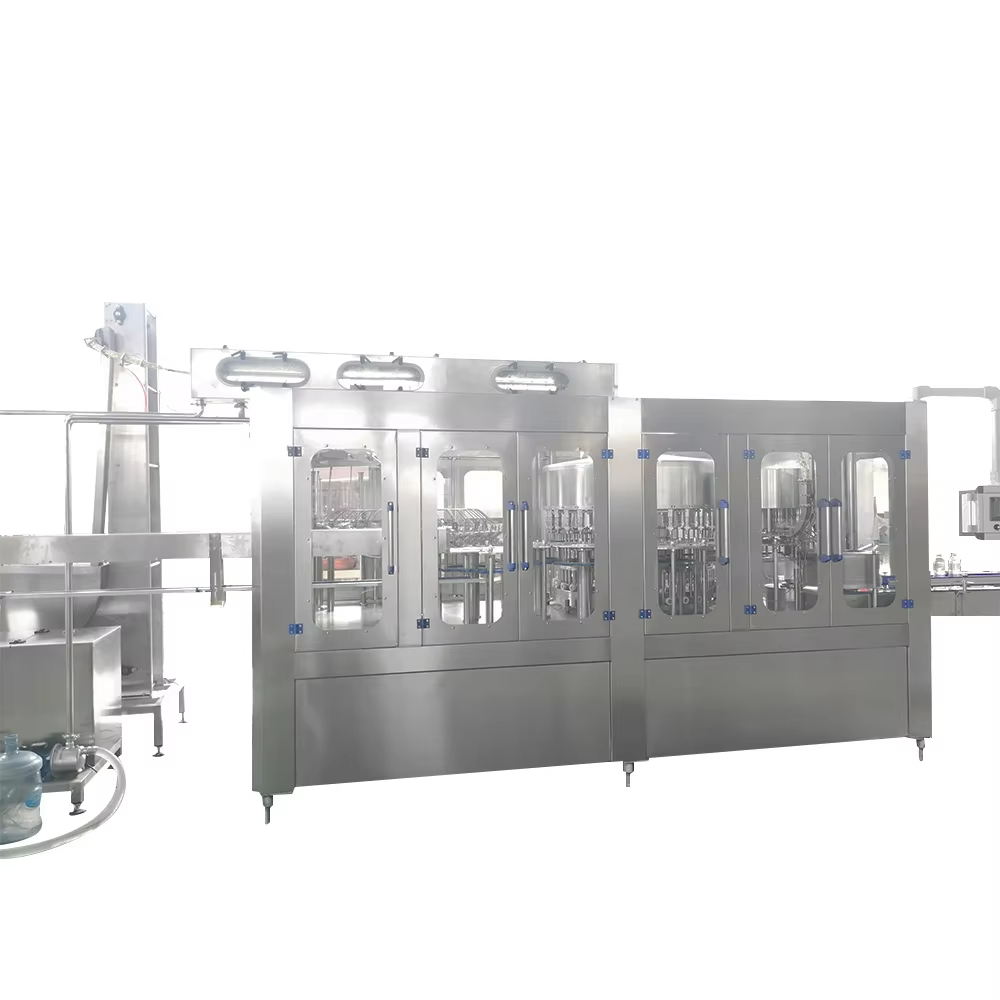
Cans filling machines are essential pieces of equipment in the beverage industry, designed to efficiently fill containers with various liquids, including water, juices, beers, and dairy products. For purchasing managers and distributors, selecting the right cans filling machine involves addressing concerns such as performance, customization capabilities, and application suitability.  This article will provide key insights into sourcing soda can filling machine from Mars, including specifications, wholesale options, installation guidance, quality control, and their applications across the beverage sector. 

Our Products

Wholesale Cans Filling Machine Options for Bulk Buyers and Importers

For bulk buyers and importers, finding the right wholesale options for cans filling machines is essential for cost-effectiveness and meeting demand. When considering wholesale options, keep the following in mind: 

Minimum Order Quantity (MOQ): Different manufacturers may have varying MOQs. Understanding these limits can help you plan your purchases effectively. 

Customization Options: Many manufacturers, like Mars Packing Machinery, offer customization to meet specific operational needs. Discuss potential modifications that can enhance machine efficiency or compatibility with existing production lines. 

Bulk Pricing Discounts: Inquire about bulk purchase discounts. Manufacturers like Mars often provide better pricing as the order quantity increases, which can significantly reduce overall costs.  

Lead Times: Confirm lead times for delivery, especially for customized machines. Timely delivery is crucial for preventing delays in your production schedule. 

Technical Support and Warranty: Ensure that the supplier offers adequate technical support and warranty options. This can be vital in maintaining machine performance and addressing any operational issues that arise post-purchase. 

By considering these factors, bulk buyers can effectively navigate the procurement process for cans filling machines small, ensuring they secure the best options for their business needs. 

Installation Guidance for Efficient Use of Cans Filling Machines

Proper installation of cans filling machines is vital for optimizing operational efficiency and ensuring long-term performance.  Here are key considerations for installation: 

Site Preparation: Before installation, ensure that the site is adequately prepared to accommodate the machine's dimensions and operational requirements. This includes sufficient space for maintenance access and safe operation. 

Technical Setup: Engage with the manufacturer’s engineering team for a thorough setup process. This may include alignment, calibration, and integration with existing production lines. 

Operator Training: Providing comprehensive training for operators is critical. They should understand the machine's functions, safety features, and troubleshooting procedures to maximize efficiency and minimize downtime. 

Testing and Calibration: After installation, conduct a series of tests to verify the machine's performance.  This includes checking fill accuracy, speed, and compatibility with can types. 

Maintenance Schedule: Establish a regular maintenance schedule as advised by the manufacturer. Preventative maintenance can significantly extend the life of your cans filling machine and reduce the likelihood of unexpected failures. 

By following these guidelines, companies can ensure that their cans filling machines are installed correctly and ready for optimal operation. 

Evaluating Quality Control in Cans Filling Machines for Reliable Performance

Quality control is a critical aspect of ensuring that cans filling machines deliver reliable performance. Here are some key factors to evaluate: 

Inspection Protocols: Review the manufacturer’s quality inspection protocols. This should include checks during the production process, as well as final inspections before shipping. 

Material Quality: Ensure that the materials used in the construction of the machine meet industry standards. High-quality materials contribute to the machine's durability and performance. 

Performance Testing: Manufacturers should conduct rigorous performance testing on machines to assess filling accuracy, speed, and overall functionality. Request documentation on these tests to verify compliance with quality standards. 

Feedback Mechanisms: Evaluate whether the machine has built-in feedback mechanisms that can alert operators to any deviations from set parameters. This can help in addressing issues before they escalate. 

User Reviews and Case Studies: Look for reviews or case studies from other companies that have used the machine. Their experiences can offer valuable insights into reliability and performance in real-world applications.  

By prioritizing these quality control measures, buyers can select cans filling machines milk that consistently meet their operational standards.  

Applications of Cans Filling Machines Across the Beverage Industry

Cans filling machines are versatile and find applications across various sectors within the beverage industry: 

Water and Beverages: These machines are ideal for filling cans with still or sparkling water, juices, and flavored drinks. The ability to maintain hygiene standards is critical in this segment. 

Beer Production: In breweries, cans filling machines are essential for efficiently filling and sealing cans while preserving carbonation and flavor integrity. 

Dairy Products: Machines designed for dairy applications must adhere to strict sanitation standards. They can handle products like milk, yogurt drinks, and milk-based beverages. 

Customization: Many manufacturers allow customization of filling machines based on the specific liquid properties, such as viscosity and carbonation levels. This ensures optimal filling without spillage or wastage. 

Sustainability: With increasing demand for sustainable packaging solutions, cans filling machines can be adapted to accommodate eco-friendly materials, aligning with industry trends. 

Understanding these applications helps buyers choose the right cans filling machine tailored to their specific beverage production needs, enhancing efficiency and product quality. 

Key Specifications to Consider When Sourcing Cans Filling Machines

When sourcing a cans filling machine, understanding the key specifications is crucial for ensuring compatibility with your production requirements. Important specifications include: 

Filling Capacity: This refers to the volume of liquid the machine can fill within a specific time frame. It's essential to assess your production needs to avoid bottlenecks or excessive downtime. 

Filling Accuracy: The precision with which the machine fills can directly impacts product quality and customer satisfaction. Look for machines with a proven track record of minimal variance in fill levels. 

Materials: Automatic can filling machine are typically constructed from stainless steel for durability and ease of cleaning, particularly when dealing with various beverages. Ensure the materials are suitable for your specific application, especially if your product has unique chemical properties. 

Automation Level: Machines can vary from fully automated systems to semi-automated ones. Evaluate which level of automation suits your operational capacity and labor availability. 

Machine Compatibility: Consider the type of cans (size, shape, and material) that the machine can handle. Some machines from Mars are designed for specific can types, while others can accommodate a range of sizes.  

Certifications: Ensure the machine complies with industry standards and holds relevant certifications like ISO9001 and CE, which signify quality assurance and safety. 

Understanding these specifications will help buyers select the right machine that meets their operational demands and regulatory standards. 

Frequently Asked Questions

What types of cans can this machine fill?

Our cans filling machine handles aluminum and tinplate cans for water, beverages, beer, and dairy with various sizes and capacities. Customization available per client requirements.
Capacity varies by model; options range from low-volume pilot units to high-speed lines. Provide your target cans per minute and product for a tailored recommendation.
Yes. Our in-house engineering team offers pre-sales consultation, installation, commissioning, and technical support to ensure smooth startup and operation.
Yes. Our factory holds ISO9001 and CE certifications, and machines are built to meet relevant safety and hygiene standards for food and beverage production.
Absolutely. We offer customized solutions for product viscosity, carbonation, fill levels, and integration with upstream/downstream equipment based on your process needs.

Our Blog Posts

CSD Filling Machine Troubleshooting: Fixing Common Foaming Issues in Soda Lines

22

Sep

CSD Filling Machine Troubleshooting: Fixing Common Foaming Issues in Soda Lines

CSD Filling Machine Trouble Shooting - How to Add/Replace Washing Solution and Repair Foaming Problems in Sodas LineProblemshooting Guide of the Soda Water Filling Machines with AgitatorFoam is something that can cause an actual headache. Soda Lines ...
View More
The Ultimate Checklist for Carbonated Drink Filler Maintenance

16

Nov

The Ultimate Checklist for Carbonated Drink Filler Maintenance

Regular maintenance is crucial to this piece of equipment used to fill carbonated beverages such as soda or sparkling water, and yet many companies allow a carbonated drink filling line to wear prematurely. At Mars, we know there is a longer list of ...
View More
Water Bottling Line Quality Testing: pH and Microbial Checks for Bottled Spring Water

21

Nov

Water Bottling Line Quality Testing: pH and Microbial Checks for Bottled Spring Water

Bottling water is not just about sticking a bottle under a tap. It’s about ensuring that every bottle shipped from Mars holds safe, fresh spring water in which you can trust. There are two critical checks on the assembly line: testing the pH of the w...
View More
Vietnam Case Study: Building 24,000 BPH Water Plant in 6 Months

22

Nov

Vietnam Case Study: Building 24,000 BPH Water Plant in 6 Months

Constructing a water plant able to produce 24,000 bottles per hour (BPH) is a huge challenge in six months. Finishing on time and with high standards takes careful planning, hard work and thoughtful decisions. The company behind this venture in Vietn...
View More

Get a Free Quote

Our representative will contact you soon.
Email
Name
Company Name
Message
0/1000