Essential Guide to Beer Filling Equipment

All Categories

Beer filling equipment

Beer filling equipment plays a crucial role in the beverage industry, specifically designed to efficiently fill beer bottles, cans, or kegs with various types of beer. As a buyer or purchasing manager, your main concerns likely revolve around selecting the right beer filling equipment that meets your production needs, ensuring compliance with industry standards, and managing costs effectively. This article will provide insights into key specifications to consider, sourcing options for wholesale orders, cost factors to evaluate, beer filling equipment applications in the beverage industry, and the importance of using high-quality materials in beer filling equipment.

Where to Source Reliable Beer Filling Equipment for Wholesale Orders

Sourcing reliable beer filling equipment involves identifying manufacturers and suppliers with a solid reputation in the beverage industry. Here are a few strategies: 

Direct from Manufacturers: Companies like Mars Packing Machinery specialize in manufacturing high-quality filling and packing machines. By sourcing directly, you can often negotiate better prices and gain insights into customization options. 

Industry Trade Shows: Attending trade shows allows you to meet suppliers, see beer filling equipment in action, and gather information on the latest technologies and innovations in beer filling. 

Online Marketplaces: Platforms like Alibaba and Made-in-China can provide access to numerous suppliers. However, ensure to verify the manufacturer’s credentials and read reviews from other buyers. 

Local Distributors: Engaging with local distributors can be beneficial, as they often provide support services, spare parts, and maintenance, which can save time in the long run. 

Industry Associations: Joining industry associations can help you connect with reputable suppliers and gain access to resources and recommendations. 

A thorough supplier evaluation process, including checking references and past client experiences, will help ensure you choose a reliable source for your beer filling machine. 
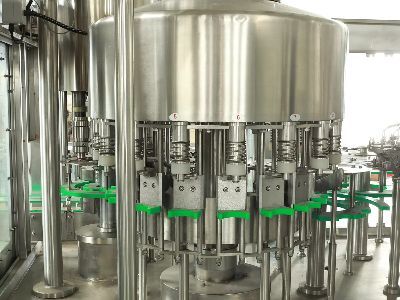
Cost Factors to Consider When Purchasing Beer Filling Equipmen

Understanding the cost factors associated with beer filling equipment is vital for making an informed purchasing decision. Here are key factors to consider: 

Initial Purchase Price: The upfront cost varies widely based on specifications, automation levels, and brand reputation. It’s essential to balance cost against required features. 

Customization Costs: If you require specific modifications to meet unique production needs, factor in customization costs, which can significantly increase the overall investment. 

Operational Costs: Assess the beer filling equipment energy consumption and maintenance needs. More automated machines may have higher energy costs, while manual machines could require more labor. 

Installation and Training: Don’t overlook the costs associated with installation and operator training. Proper setup is critical for optimal performance and safety. 

Warranty and Support: Consider the warranty terms and the availability of support services. A robust warranty can save costs on repairs, while responsive support can minimize downtime. 

By thoroughly assessing these cost factors, you can better understand the total cost of ownership and make a more strategic purchasing decision. 

Applications of Beer Filling Equipment in the Beverage Industry

Beer filling equipment serves a variety of applications in the beverage industry beyond just filling bottles and cans. Key applications include: 

Craft Breweries: Smaller craft breweries often require versatile automatic beer filling machine that can handle various bottle sizes and types, accommodating a diverse product line. 

Lager and Ale Production: Different beers may require different filling techniques to preserve flavor and carbonation levels. The beer filling equipment must be adaptable to various styles of beer. 

Keg Filling: Specialized beer filling equipment allows for pressure-sensitive filling, which is essential for maintaining the integrity of carbonated beverages. 

Cider and Soft Drinks: Many beer filling machines can also be used for cider and soft drink production, making them versatile investments for beverage manufacturers. 

Bulk Filling: For large-scale operations, beer filling equipment designed for bulk filling into totes or tankers can streamline the production process and reduce labor costs. 

Understanding these applications can help buyers choose beer filling equipment that best matches their business model and product offerings. 

Benefits of Using High-Quality Materials in Beer Filling Equipmen

The materials used in beer filling equipment are critical to ensuring durability, efficiency, and product safety. Here are some benefits of investing in high-quality materials:  

Corrosion Resistance: Stainless steel is commonly used in beer filling machinery due to its resistance to corrosion and ability to withstand the rigors of a beverage production environment. 

Sanitary Design: High-quality materials facilitate easier cleaning and maintenance, which is essential for meeting health and safety regulations in food and beverage production. 

Longevity: Equipment made from durable materials tends to have a longer lifespan, reducing the frequency of replacements and maintenance costs over time. 

Performance Stability: The use of high-quality components ensures that machines operate smoothly, maintaining filling accuracy and efficiency, which is crucial for production consistency. 

Cost Efficiency: While the initial investment may be higher, high-quality materials can lead to lower operational costs in the long run due to reduced maintenance and downtime. 

By prioritizing beer filling equipment made from high-quality materials, buyers can achieve better performance and reliability, ultimately enhancing their production capabilities. 

Key Specifications to Compare in Beer Filling Equipment Models

When sourcing beer filling equipment, key specifications significantly impact the efficiency and quality of the filling process. Here are several critical factors to consider: 

Filling Method: The main types include gravity filling, vacuum filling, and pressure filling. Each method affects the fill speed and the beer's exposure to oxygen, which is crucial for maintaining flavor. 

Filling Capacity: This is measured in bottles, cans, or kegs per hour. Assessing your production needs will help determine the appropriate capacity. A model with a higher capacity might be necessary if you plan to scale operations. 

Filling Accuracy: This specification refers to how consistently the machine fills containers to the desired volume. High accuracy minimizes product loss and ensures compliance with legal filling standards. 

Material Compatibility: Ensure that the beer filling equipment materials are compatible with your specific type of beer, especially if you're filling craft or specialty brews that may have unique properties. 

Automation Level: Depending on your facility's needs, consider whether you want fully automated systems or semi-automated options, which might require more manual oversight but could be more cost-effective. 

Sanitation Features: Given the importance of cleanliness in beverage production, beer filling equipment should have easy-to-clean components and comply with health standards. 

When evaluating different models, consider these specifications carefully to ensure the beer filling equipment aligns with your production process and quality expectations. 

Frequently Asked Questions

What types of beer filling machines do you offer?

We provide automated rotary and linear beer filling lines for bottles, cans, and kegs, with options for sterile filling, carbonated beer handling, and integrated capping and labeling.
Yes. Since 2010 we deliver tailored solutions for microbreweries to large plants, adjusting speed, layout, and features to your production and space requirements.
Our factory holds ISO9001 and CE certifications. We follow strict quality control and testing procedures to ensure reliable, compliant equipment.
Yes. Our in-house engineering team offers pre-sales consultation, onsite installation, commissioning, operator training, and remote technical support.
Machines include hygienic stainless steel design, CIP compatibility, sterile zones, and adjustable inert gas systems to protect beer quality and maintain carbonation.

Our Blog Posts

Spirit Wine Filling Machine Vacuum Filling: Reducing Oxidation for Premium Wines

17

Mar

Spirit Wine Filling Machine Vacuum Filling: Reducing Oxidation for Premium Wines

Making great wine is an art. It requires practice, expertise and the best tools. The vacuum filling machine is a key equipment for wine producers. This is a machine designed to keep wines fresh by preventing oxidation. It is the wine&r...
View More
Spirit Wine Filling Machine Fill Level Adjustment: Fine-Tuning for Different Bottle Heights

09

Mar

Spirit Wine Filling Machine Fill Level Adjustment: Fine-Tuning for Different Bottle Heights

When it comes to filling bottles with spirit wine, getting the right amount in each one is really super important. Like when you pour juice in glass, if too much it spill over, if too little people feel cheated. Same thing happen with spirit win...
View More
Complete Bottling Line Remote Monitoring: Managing Production from Any Location

25

Apr

Complete Bottling Line Remote Monitoring: Managing Production from Any Location

With faraway viewing, bottling lines are changing production lines. Companies such as Mars can monitor the whole production no matter where they are. If you can monitor the number of bottles filled, sealed and packed, it would save time. Workers can ...
View More

Get a Free Quote

Our representative will contact you soon.
Email
Name
Company Name
Message
0/1000