 EN
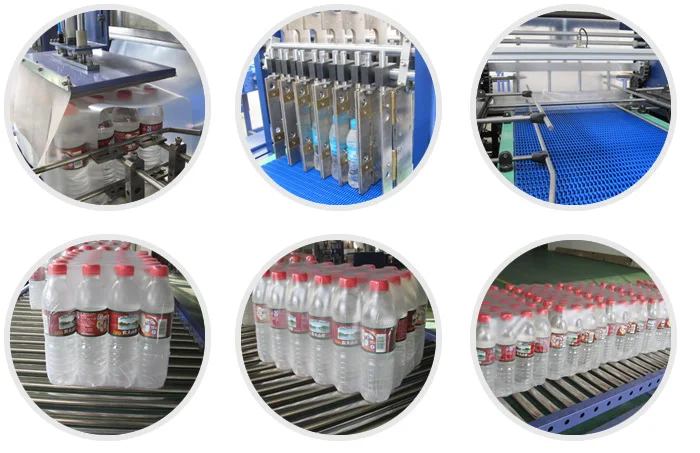
Automatic filling, capping, and labelling machines are essential assets for businesses in the liquid filling and packaging industries, including water, beverage, beer, and dairy. These machines streamline the packaging process, ensuring efficiency and consistency while minimizing human error. When choosing an automatic filling capping and labelling machine, buyers often seek reliable performance, customization options, and robust after-sales support. This article will guide you through the critical considerations for selecting these machines, evaluating their quality, understanding their applications, and addressing common operational issues.

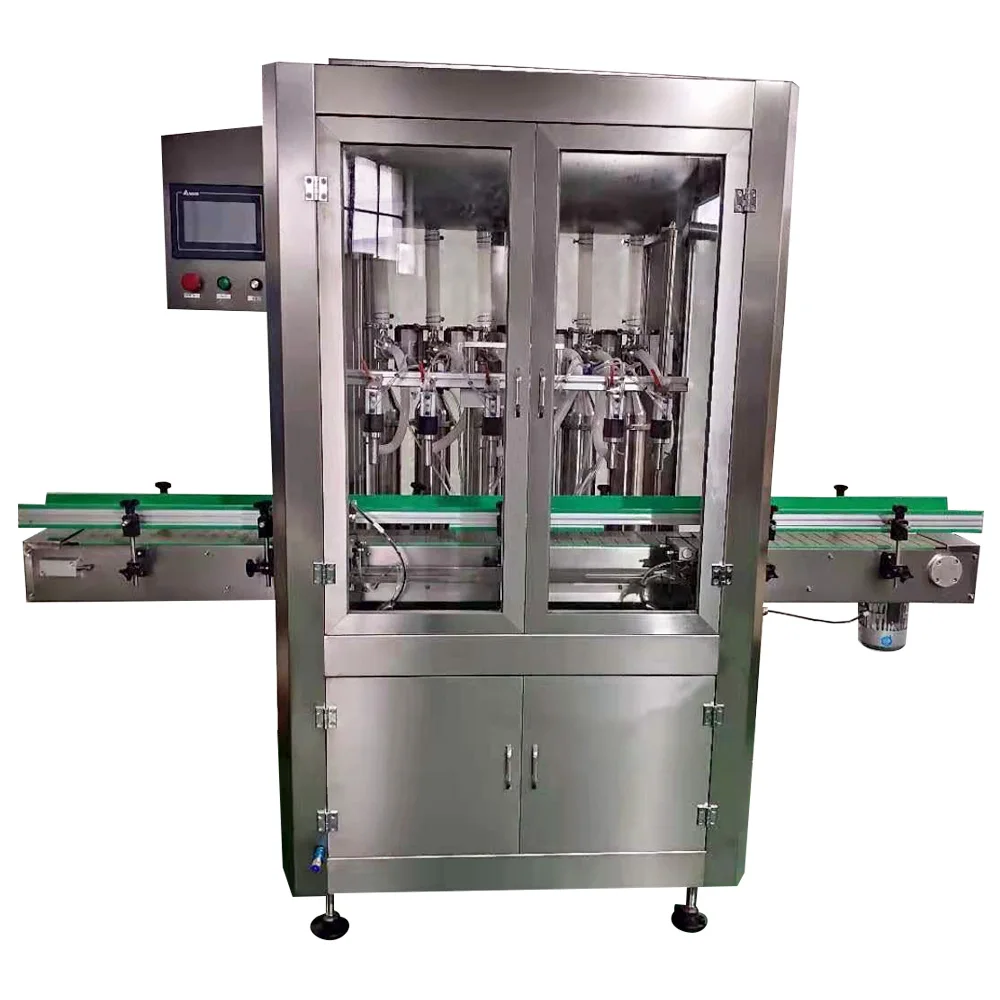

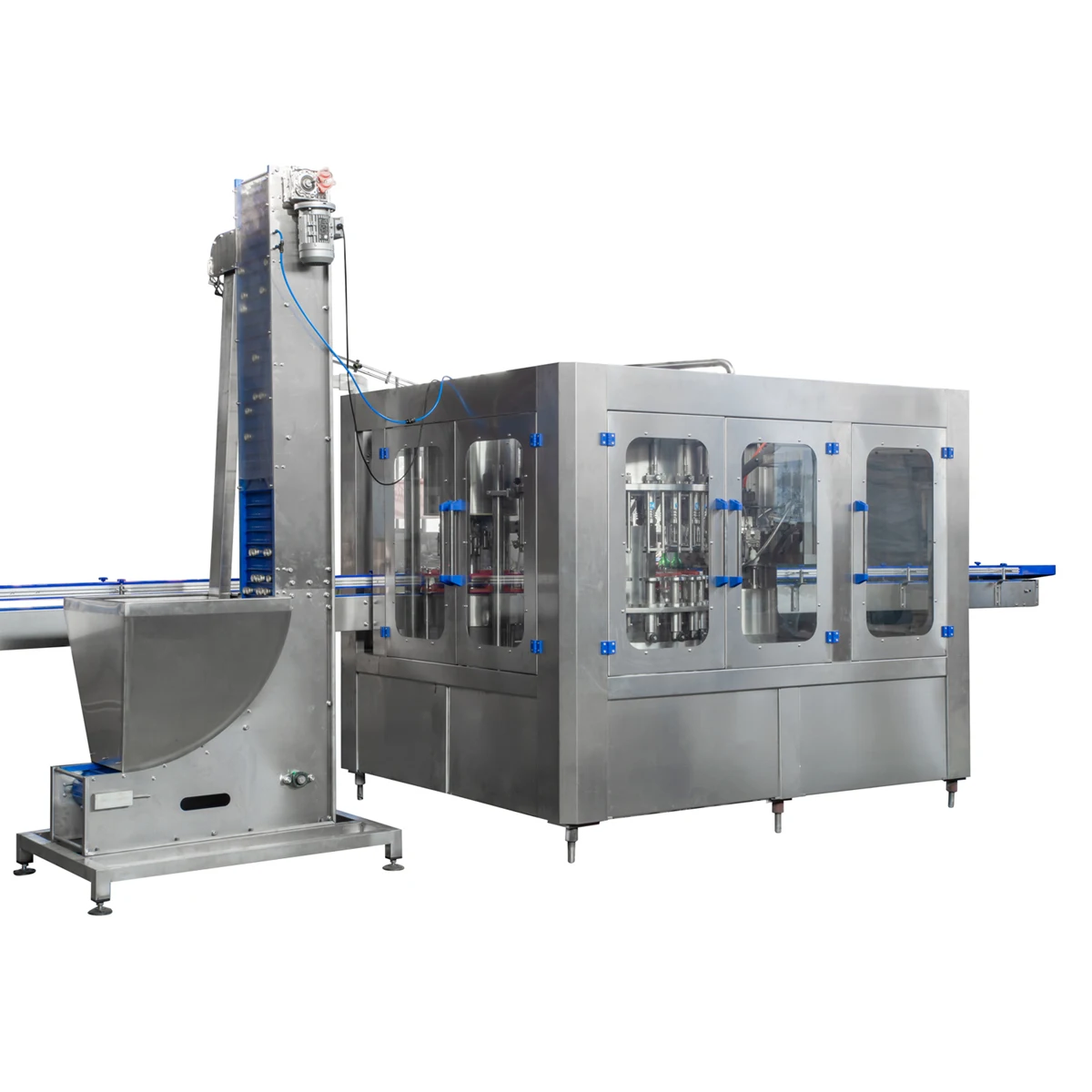

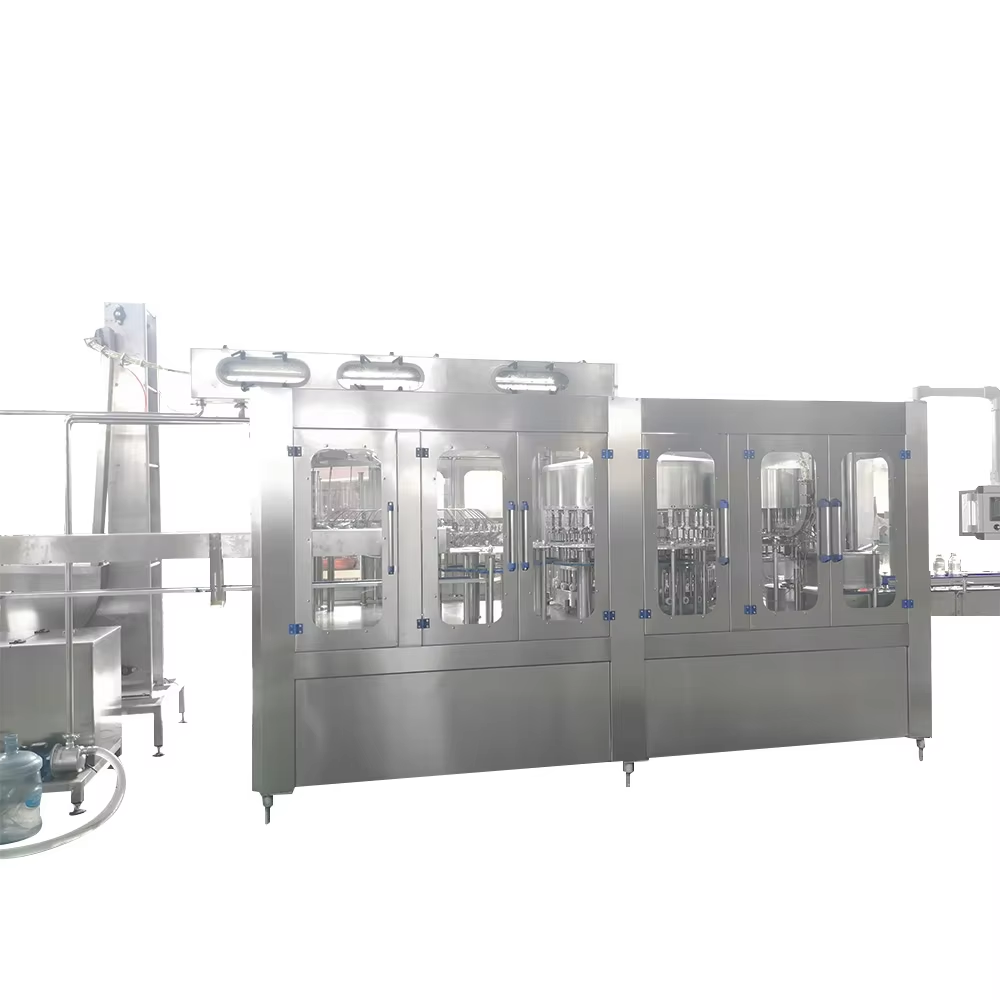
How to Evaluate the Quality of Filling and Labelling Machines
Quality evaluation of filling machines and labelling machines should focus on several key aspects:
Materials: The quality of materials used in machine construction is critical. Stainless steel is often preferred for its durability and resistance to corrosion, particularly in the food and beverage industries. Verify the material specifications with your supplier to ensure they meet industry standards.
Certifications: Look for machines that hold certifications such as ISO9001 and CE, which indicate a commitment to quality and compliance with international safety standards. This is particularly relevant in regulated markets.
Performance Testing: Before finalizing your purchase, request a demonstration or test run of the machine. This allows you to assess its performance under actual operating conditions. Pay attention to the filling accuracy, capping integrity, and labelling alignment.
After-Sales Support: A reliable warranty and access to technical support are critical indicators of quality. Ensure the manufacturer provides comprehensive training and installation services, as well as ongoing maintenance options.