 EN
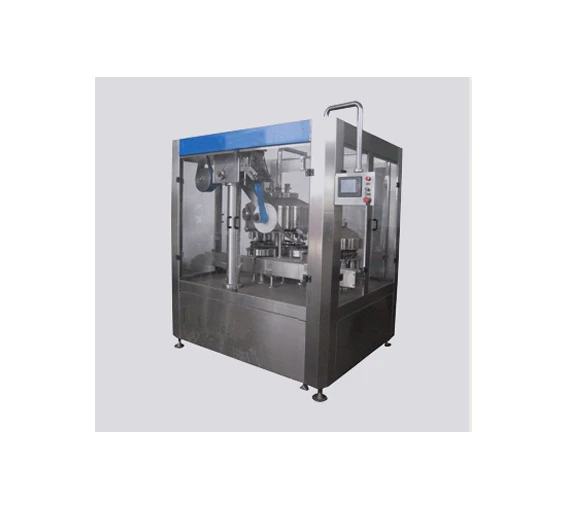
Automatic bottle filling, capping, labeling, and sealing machines play a crucial role in the packaging process across various industries, including beverages, dairy, and pharmaceuticals. For B2B buyers, understanding the intricacies of these filling bottle machine is essential for making informed purchasing decisions. This article will address key concerns regarding cost factors, common operational issues, installation guidance, important specifications, and the diverse applications of these filling machines helping you navigate the complexities of selecting the right equipment for your production line.
Common Problems with Bottle Filling Machines and Their Solutions
The capping labeling sealing machines can encounter several common issues that may disrupt production. One frequent problem is inaccurate filling volumes, which can lead to underfilled or overfilled containers. This issue often arises from improper calibration, so regular maintenance and recalibration according to the manufacturer’s guidelines are essential to ensure consistent performance.
Another prevalent challenge is mechanical failures, such as jams or misalignments during the capping process. These problems can be mitigated by routine inspections and employing quality control measures to detect potential issues before they escalate. Additionally, ensuring compatibility between the machine and the bottle materials can prevent sealing problems, especially with high-pressure or temperature-sensitive products.
Lastly, contamination can occur if the machine is not properly cleaned or maintained. Implementing a strict cleaning schedule and utilizing materials that are resistant to corrosion and easy to sanitize can help maintain hygiene standards.